

Community Healthcare and Access to Essential Medical Support
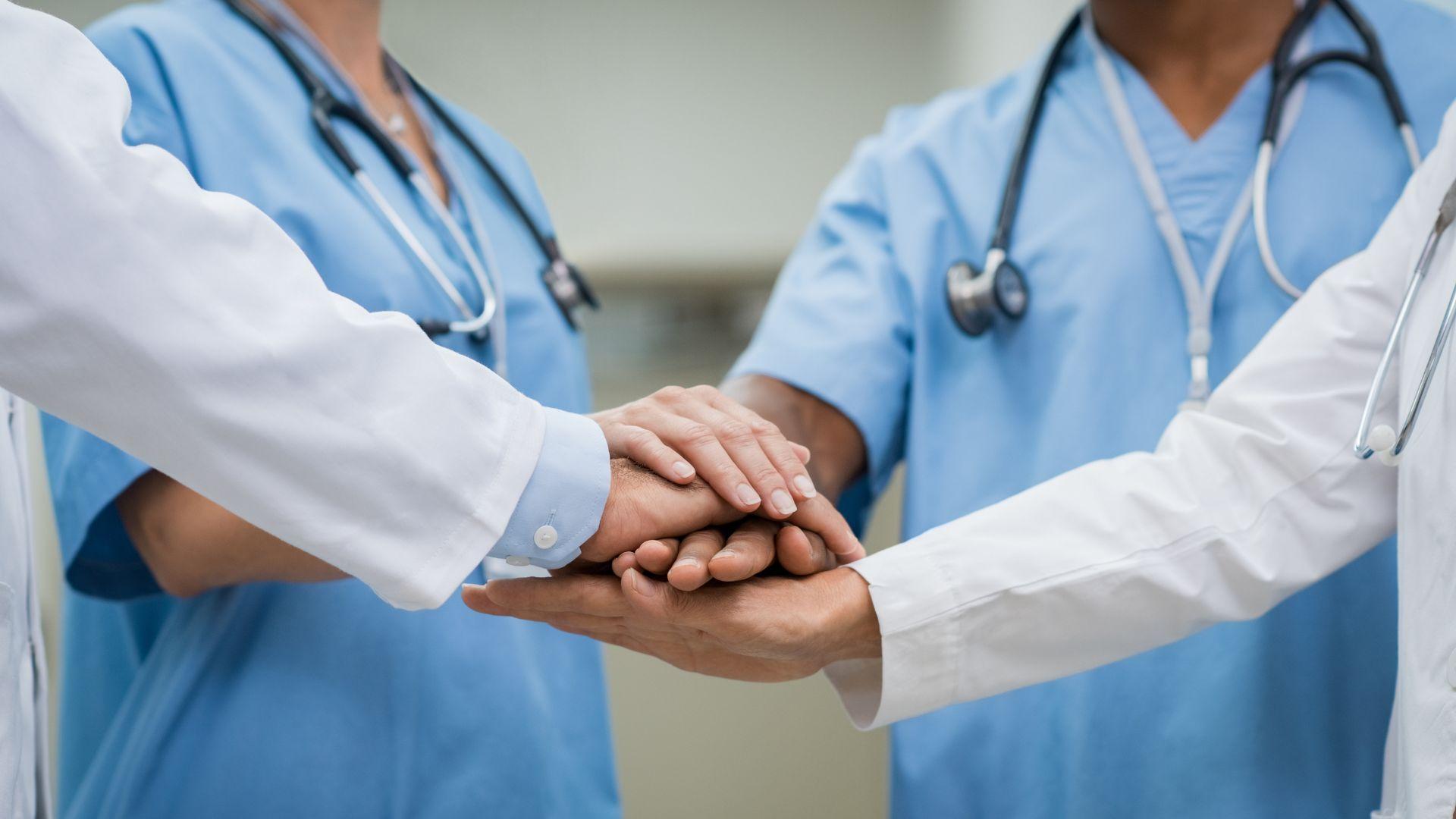
Access to healthcare is essential for a healthy society, yet many families face challenges when seeking regular medical treatment. Financial limitations, limited health information, transportation difficulties, and a shortage of specialized services can prevent people from receiving the care they need. These barriers can be especially difficult for individuals living with chronic conditions that require continuous medical attention.
Community healthcare helps address these challenges by bringing together medical professionals, charitable organizations, volunteers, and local communities. Through health education, patient assistance, and access to essential resources, community initiatives can make healthcare more approachable for people who might otherwise struggle to find support. Programs offering essential medical care services are particularly important for families managing long-term conditions such as thalassemia and hemophilia.
Improving healthcare access requires more than building medical facilities. It also involves educating the public, encouraging preventive care, supporting vulnerable families, and helping people understand where to find reliable medical advice. When communities work together, even small initiatives can contribute to meaningful improvements in public health.
Understanding the Importance of Community Healthcare
Community healthcare focuses on improving health and well-being through accessible services, education, prevention, and local participation. It complements hospitals and specialist clinics by addressing some of the practical barriers that prevent people from receiving appropriate care.
For example, a community health awareness session can help families recognize symptoms that require medical attention. A charitable healthcare program may help eligible patients access essential treatment. A blood donation campaign can connect willing donors with authorized services that supply blood to patients who need transfusions.
These efforts are especially valuable for people with chronic illnesses, older adults, children, and families with limited financial resources.
Key Areas of Community Healthcare
Effective community healthcare initiatives may focus on several areas:
-
Health education: Sharing reliable information about common illnesses, prevention, and available treatment options.
-
Early detection: Encouraging appropriate screening and timely consultation with qualified healthcare professionals.
-
Patient assistance: Helping eligible individuals access essential medical services and support.
-
Blood donation: Promoting voluntary donation through authorized blood collection facilities.
-
Family guidance: Helping patients and caregivers understand treatment plans and follow-up requirements.
-
Emotional support: Reducing isolation and encouraging respectful, compassionate care.
These activities work best when they respond to genuine local needs and are supported by qualified professionals.
Why Patients With Chronic Conditions Need Continued Support
Some medical conditions can be managed with a short course of treatment, while others require long-term monitoring and ongoing care. Chronic blood disorders provide a clear example of why consistent healthcare support matters.
Thalassemia is an inherited condition that affects the body's production of hemoglobin. People with severe forms may require regular blood transfusions and monitoring for complications such as iron overload. Hemophilia affects the blood's ability to clot and may require specialized treatment to prevent or control bleeding.
For affected individuals, treatment involves more than attending a hospital appointment. Patients may need laboratory investigations, prescribed medication, specialist consultations, and support from family members. These requirements can create financial and emotional pressure, particularly for households with limited resources.
A supportive healthcare system can help patients maintain treatment schedules, understand their medical needs, and seek assistance when difficulties arise. Charitable organizations can complement professional medical services by providing appropriate support and helping families navigate available resources.
The Role of Voluntary Blood Donation
Blood donation is an important part of healthcare because donated blood and its components are needed for a range of medical situations. These include surgery, serious injuries, certain cancer treatments, and chronic conditions that require transfusions.
People with transfusion-dependent thalassemia may need regular red blood cell transfusions as part of their treatment. Maintaining an adequate blood supply therefore depends on the continued participation of eligible donors.
Unlike many medical supplies, blood cannot simply be manufactured when demand increases. Healthcare facilities rely on people who voluntarily donate through authorized collection services.
How Individuals Can Contribute
There are several practical ways to support blood donation efforts:
-
Learn about eligibility. Contact an authorized blood center to understand the requirements and determine whether you can donate.
-
Donate responsibly. Provide accurate information during donor screening and follow the instructions of qualified staff.
-
Encourage community participation. Share verified information about blood donation with friends, colleagues, and family members.
-
Support organized campaigns. Schools, universities, businesses, and community groups can coordinate with recognized blood collection services.
-
Promote awareness. Help people understand why safe blood supplies matter to patients who depend on transfusions.
Organizations such as Noor Thalassemia Foundation promote community participation in blood donation to help meet the needs of patients with blood disorders. Individuals interested in contributing can learn about voluntary blood donation and the process of supporting patients who need transfusion services.
All donations must follow established donor eligibility, blood screening, and transfusion safety procedures.
Health Education and Early Screening
Healthcare awareness can help people make informed decisions before a medical problem becomes more complicated. However, education should be based on reliable information rather than assumptions or unverified claims.
For inherited conditions such as thalassemia, appropriate carrier screening can help identify individuals who carry relevant genetic variants. Carriers may have few or no symptoms, so professional testing and interpretation can be important when assessing reproductive risks.
Healthcare professionals may recommend a complete blood count, specialized hemoglobin analysis, or genetic testing depending on the person's medical history and circumstances. Genetic counseling can help individuals and couples understand their results and available options.
Community organizations can support these efforts by arranging educational sessions, directing people toward qualified medical services, and explaining the importance of professional guidance.
Screening should always be approached with respect for personal privacy and individual choice. People who carry genetic variants deserve accurate information and compassionate treatment, not stigma or discrimination.
How Nonprofit Organizations Strengthen Healthcare Access
Nonprofit organizations can help bridge gaps between communities and healthcare services. Depending on their resources and expertise, they may provide financial assistance, organize awareness programs, facilitate access to treatment, or support patients who need ongoing care.
Their contribution can be particularly meaningful when families struggle to afford repeated appointments, investigations, or prescribed medicines.
To remain effective, nonprofit healthcare initiatives should use donations responsibly, communicate their activities transparently, and work with qualified healthcare professionals. They should also protect patient confidentiality and ensure that medical information is accurate.
Partnerships with hospitals, educational institutions, businesses, and local volunteers can extend the reach of these efforts. For example, a university can help organize an authorized blood donation camp, while a community organization can provide educational materials and connect participants with trained staff.
When different groups contribute their time, expertise, and resources, healthcare initiatives can reach more people and respond more effectively to local needs.
Practical Ways to Build a Healthier Community
Improving community health does not always require large projects. Consistent, well-organized actions can help people access information and support.
Individuals can take responsibility for their own health by attending recommended checkups, following professional medical advice, and learning about relevant family medical history.
Families can support relatives with chronic conditions by helping them manage appointments, understand prescribed treatment, and communicate concerns to their healthcare team.
Schools and workplaces can organize awareness sessions and share information from credible health authorities. Businesses can support legitimate charitable initiatives through volunteering or responsible community partnerships.
Community organizations can assess local needs, develop practical programs, and collaborate with qualified professionals to deliver reliable services.
The most effective initiatives are those that respect people's circumstances, avoid unrealistic promises, and focus on sustainable improvements.
Conclusion
Community healthcare plays an important role in making essential services more accessible, particularly for individuals and families facing financial or practical barriers. Health education, early screening, patient assistance, and voluntary blood donation can all contribute to stronger healthcare support systems.
People living with chronic blood disorders need consistent medical care as well as understanding from their families and communities. By working together, healthcare professionals, nonprofit organizations, donors, educational institutions, and volunteers can help address these needs.
Ultimately, a healthier society is built through informed decisions, responsible action, and compassion. When communities recognize healthcare as a shared responsibility, they can help more people access reliable information, receive appropriate support, and live with greater dignity and confidence.
Disclaimer: This article is intended for general educational purposes and should not replace individualized advice from a qualified healthcare professional.

 Arabic
 French
 Spanish
 Portuguese
 Deutsch
 Turkish
 Dutch
 Italiano
 Russian
 Romaian
 Portuguese (Brazil)
 Greek
