

Liposuction in Islamabad: Common Misconceptions and the Real Facts
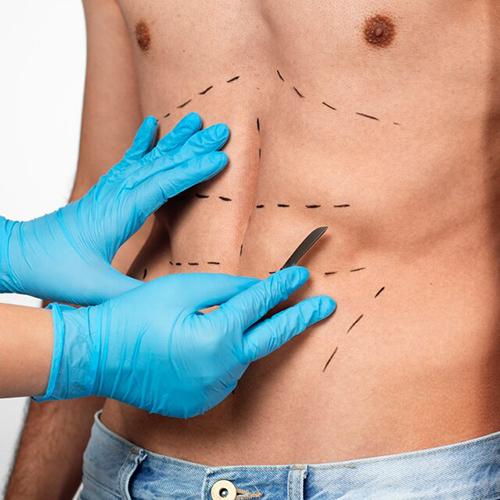
Liposuction is a popular cosmetic procedure designed to remove localized fat deposits and improve body contours. However, many myths surrounding the treatment can create unrealistic expectations. Understanding the facts is especially important for people considering Liposuction in Islamabad as a way to address stubborn areas of fat that have not responded well to diet and exercise.
What Is Liposuction?
Liposuction is a surgical body-contouring procedure that removes excess subcutaneous fat from selected areas of the body. Common treatment areas include the abdomen, waist, thighs, hips, back, arms, chin, and neck. The goal is generally to create a more proportionate and defined body shape rather than to produce major weight loss.
Because liposuction is surgery, candidates should have realistic expectations and undergo an appropriate medical assessment before treatment. A qualified plastic surgeon can determine whether the procedure is suitable based on factors such as overall health, skin elasticity, treatment goals, and the amount and location of unwanted fat.
Misconception: Liposuction Is a Weight-Loss Treatment
One of the most common myths is that liposuction is an alternative to losing weight. In reality, liposuction is primarily a body-contouring procedure. It is intended for localized fat deposits rather than obesity or general weight reduction.
People who are relatively close to their healthy weight but have stubborn fat pockets may be more suitable candidates. Maintaining a healthy diet and regular physical activity remains important after treatment.
Misconception: Liposuction Removes All Belly Fat
Liposuction primarily targets fat located beneath the skin, known as subcutaneous fat. It cannot remove visceral fat, which is located deeper inside the abdomen around internal organs. Therefore, someone with abdominal fat caused largely by visceral fat may not achieve the desired result from liposuction alone.
A consultation can help determine whether the visible fullness is mainly due to localized subcutaneous fat, loose skin, muscle structure, or other factors.
Misconception: Liposuction Tightens Loose Skin
Another common misunderstanding is that removing fat automatically produces tight, firm skin. Liposuction does not directly remove excess loose skin. Patients with poor skin elasticity may experience less satisfactory contouring after fat removal. In some cases, a separate skin-removal or tightening procedure may be considered.
This is why skin quality should be evaluated before treatment.
Misconception: Liposuction Is Only for Women
Liposuction can be performed on both men and women. Men may seek treatment for areas such as the abdomen, waist, chest, or other localized fat deposits, while women commonly consider areas including the abdomen, thighs, hips, and arms. The appropriate treatment area depends on individual anatomy and goals.
Misconception: Liposuction Results Are Completely Permanent
Liposuction permanently removes fat cells from treated areas, but this does not mean future weight gain is impossible. Remaining fat cells can enlarge if a person gains significant weight after the procedure. Maintaining a stable weight through balanced nutrition and physical activity can help preserve the improved body contours.
Misconception: Liposuction Has No Risks
Although liposuction has a well-established safety record, it is still a surgical procedure and carries potential risks. Possible complications include infection, bleeding, swelling, changes in sensation, fluid accumulation, contour irregularities, scarring, and anesthesia-related complications.
Choosing an appropriately trained and experienced plastic surgeon, undergoing treatment in a suitable medical facility, and following postoperative instructions can help reduce avoidable risks.
What Should Patients Expect During Recovery?
Recovery varies depending on the treatment area, amount of fat removed, technique used, and individual healing. Temporary swelling, bruising, soreness, and tenderness are common. Some patients can return to work within a few days, while strenuous physical activities may need to be postponed for longer. Complete healing and final contour development can take several months.
Patients should follow their surgeon's instructions regarding compression garments, wound care, medication, physical activity, and follow-up appointments.
Frequently Asked Questions
Is liposuction suitable for everyone?
No. Suitability depends on overall health, skin elasticity, weight stability, treatment goals, and the location of unwanted fat. A professional consultation is necessary before deciding on treatment.
Can liposuction remove cellulite?
Liposuction is not considered a treatment for cellulite. Cellulite involves structural changes beneath the skin that are different from ordinary localized fat deposits.
How long does it take to see liposuction results?
Some improvement may become noticeable as swelling decreases, but final results can take several months to develop. Individual recovery times vary.
Can fat return after liposuction?
The fat cells removed during liposuction are permanently removed, but remaining fat cells can enlarge with weight gain. A healthy lifestyle is important for maintaining results.
Is liposuction painful?
Anesthesia is used during the procedure, so patients generally do not feel the surgical process itself. Some soreness, tenderness, or discomfort can occur during recovery and is usually managed according to the surgeon's instructions.
Final Thoughts
Liposuction can be an effective option for reshaping specific areas affected by stubborn fat, but it should not be viewed as a quick weight-loss solution or a substitute for healthy lifestyle habits. Understanding the difference between common misconceptions and medical facts can help patients develop realistic expectations. Anyone considering Liposuction in Islamabad should discuss their goals, medical history, expected results, recovery, and potential risks with a qualified plastic surgeon before making a decision.

 English
 Arabic
 Spanish
 Portuguese
 Deutsch
 Turkish
 Dutch
Dutch
 Italiano
 Russian
 Romaian
 Portuguese (Brazil)
 Greek
Greek
