

Laser Treatment in Dubai for Pigmentation
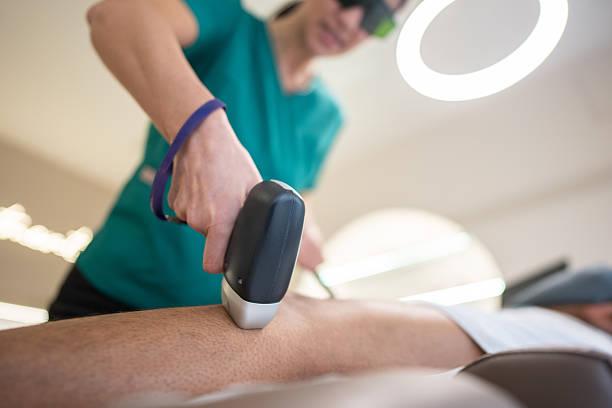
Uneven skin tone, dark spots and visible sun damage can develop gradually after years of ultraviolet exposure, hormonal changes or inflammation. Laser Treatment in Dubai may help improve selected pigmentation concerns by targeting excess pigment within the skin. However, the right approach depends on the type, depth and cause of the discolouration. A professional assessment is important because different pigmentation conditions can respond very differently to laser procedures.
Understanding Pigmentation Before Choosing Laser Treatment in Dubai
Pigmentation occurs when melanin, the natural pigment responsible for skin and hair colour, becomes unevenly distributed or accumulates in particular areas. Sun exposure is a common contributor, but it is not the only cause.
Some dark spots are superficial and relatively well-defined, while others develop deeper within the skin or are associated with ongoing hormonal and inflammatory processes. Identifying the underlying condition helps determine whether laser treatment is appropriate.
Common pigmentation concerns include:
-
Solar lentigines: Often called sun spots or age spots, these flat brown marks commonly appear on areas exposed to sunlight, such as the face, hands and shoulders.
-
Freckles: Small pigmented spots that may become more noticeable following sun exposure.
-
Post-inflammatory hyperpigmentation: Dark marks that remain after acne, irritation, injuries or other inflammatory skin conditions.
-
Melasma: Larger patches of brown or grey-brown discolouration, frequently associated with hormonal influences and ultraviolet or visible light exposure.
These conditions should not be treated as interchangeable. A laser approach that works for a clearly defined sun spot may be unsuitable for melasma or certain types of post-inflammatory pigmentation.
How Laser Treatment in Dubai Addresses Excess Pigment
Certain laser systems deliver controlled light energy that is absorbed by melanin. The absorbed energy can disrupt pigment-containing structures, allowing the body's natural processes to gradually clear or reduce the targeted discolouration.
The response depends on several factors, including the wavelength selected, the energy delivered, the pigment's depth and the patient's skin characteristics.
A specialist considers the following before recommending treatment:
-
Whether the pigmentation is superficial or deeper.
-
How much melanin is present in the surrounding skin.
-
Whether the marks are stable or continue to develop.
-
The patient's natural skin tone and history of pigment changes.
-
Whether previous treatments caused irritation or darkening.
The objective is to address the unwanted pigmentation while limiting unnecessary heating or injury to surrounding tissue.
Sun Spots and Melasma Require Different Treatment Decisions
Sun spots are often more clearly defined and may respond to selected pigment-targeting procedures. Following assessment, a clinician may consider laser treatment for suitable lesions, particularly when topical skincare alone has not provided the desired improvement.
Melasma requires greater caution. It is a recurring pigmentation condition influenced by several factors, including hormones, ultraviolet radiation and visible light. Some laser procedures may temporarily improve its appearance, but others can trigger irritation and make the discolouration more noticeable.
For this reason, melasma management may involve a combination of prescribed topical treatments, consistent photoprotection and carefully selected procedures. Laser treatment should not automatically be considered the first or best option.
Post-inflammatory hyperpigmentation also needs individual evaluation. Treating skin that remains inflamed or irritated may increase the risk of further discolouration.
Factors That Influence Pigment Treatment Results
Not every dark mark responds at the same rate. The expected outcome depends on the condition being treated and how the skin reacts to the selected procedure.
Important considerations include:
-
Pigment depth: Superficial pigment may respond differently from deeper discolouration.
-
Skin tone: Higher melanin levels in the surrounding skin can increase the risk of unwanted pigment changes with certain devices or settings.
-
Sun exposure: Continued ultraviolet exposure can contribute to new spots and recurrence.
-
Previous inflammation: A history of acne-related marks or treatment-induced pigmentation may affect the treatment plan.
-
Treatment selection: The wavelength, intensity and delivery method must be appropriate for the diagnosed concern.
A realistic treatment plan may involve more than one session or may recommend non-laser alternatives when the risks outweigh the likely benefits.
Combining Professional Treatment With Daily Pigment Care
Procedures alone cannot prevent pigmentation from returning. Daily skincare and sun protection are important parts of managing uneven skin tone.
Depending on the diagnosis, a skincare plan may include:
-
Broad-spectrum sun protection recommended by the treating professional.
-
Gentle cleansing to reduce unnecessary irritation.
-
Suitable moisturisers to support the skin barrier.
-
Dermatologist-recommended ingredients for pigmentation management.
-
Avoidance of picking, scrubbing or repeatedly irritating affected areas.
Patients with melasma or recurring pigmentation may need ongoing maintenance even after visible improvement.
Clinic Note
Not every brown spot is caused by sun damage, and some pigmented lesions require medical examination rather than cosmetic treatment. A changing, irregular, bleeding or otherwise unusual spot should be assessed by an appropriate medical professional before any aesthetic procedure is considered.
Discuss Your Pigmentation Concerns at Tajmeels Clinic
Choosing a suitable approach begins with understanding why the pigmentation developed and how your skin is likely to respond. Tajmeels Clinic can help you explore appropriate aesthetic options through an individual assessment of your skin concerns, treatment suitability and expectations.
If you are considering Laser Treatment in Dubai for sun spots or uneven pigmentation, discuss your goals with a qualified specialist before proceeding. A personalised plan can help balance potential improvement with skin safety and long-term maintenance.

 Arabic
 French
 Spanish
 Portuguese
 Deutsch
 Turkish
 Dutch
 Italiano
 Russian
 Romaian
 Portuguese (Brazil)
 Greek
