

Breast Augmentation Recovery in Islamabad: What to Expect Week by Week
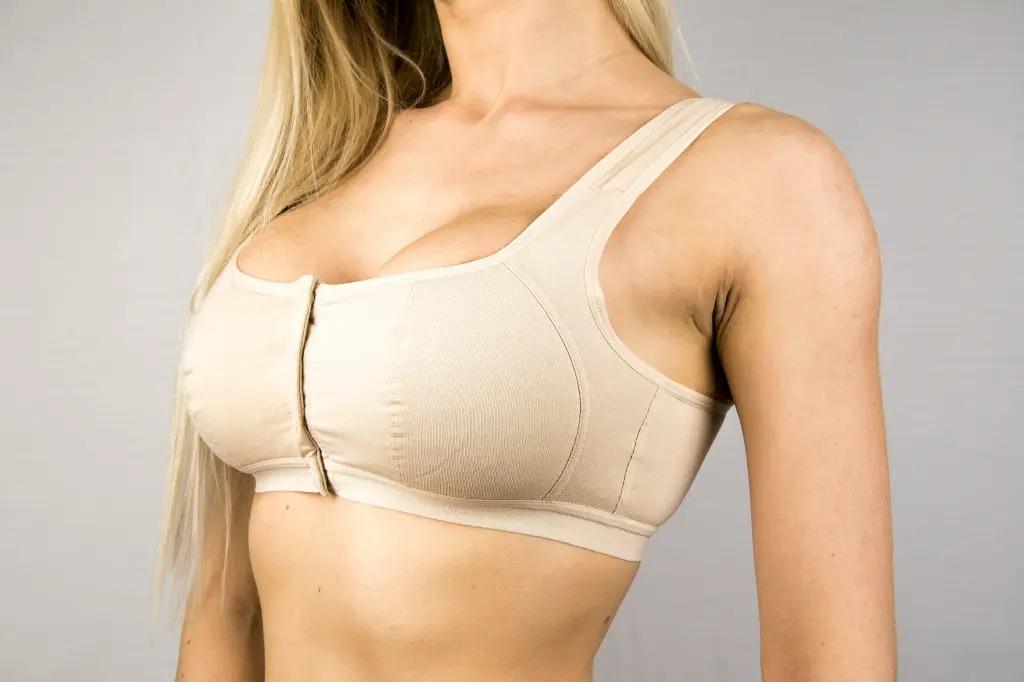
Breast augmentation can enhance breast volume and shape, but the experience does not end when surgery is complete. The recovery period is an important part of achieving a comfortable healing process and allowing the breasts to settle into their new shape. Swelling, tightness, temporary discomfort, and changes in breast position are common during the first few weeks.
For women considering Breast Enlargement in Islamabad, understanding what happens after surgery can help set realistic expectations and make preparation easier. Recovery is gradual, and every patient heals differently depending on implant placement, surgical technique, general health, and whether additional procedures such as a breast lift are performed.
Before Recovery Begins: Preparing for the First Few Days
Preparation can make the initial recovery period more manageable. Before surgery, patients should discuss medications, medical history, allergies, and any existing health concerns with their surgeon. It is also helpful to arrange transport home and support with everyday activities during the first few days.
The surgeon will provide instructions about medication, wound care, sleeping positions, and supportive garments. Following these instructions from the beginning is essential, particularly when it comes to protecting the incision sites and avoiding unnecessary pressure on the breasts.
Week 1: Swelling, Tightness, and Rest
The first week is usually the most uncomfortable stage of breast augmentation recovery. Patients may experience swelling, bruising, pressure, tightness, and soreness around the breasts and chest. These symptoms can be more noticeable when implants are placed beneath or partially beneath the chest muscle.
The breasts may initially look higher, firmer, or uneven because of swelling and muscle tightness. This is generally not the final appearance, so patients should avoid judging their results too early.
Rest and gentle movement are important during this stage. Short walks around the home may help maintain circulation, but strenuous activity, heavy lifting, and sudden upper-body movements should be avoided.
Patients should take prescribed medication as directed and attend their scheduled follow-up appointment. Any rapidly worsening pain, fever, spreading redness, unusual discharge, sudden swelling, or breathing difficulty requires prompt medical attention.
Week 2: Early Healing and Gradual Improvement
By the second week, many patients begin to feel more comfortable. Bruising may start fading, swelling may gradually decrease, and everyday movements can become easier.
However, the breasts may still feel tight or sensitive. Some patients notice that one side appears to settle faster than the other, which can happen during normal healing.
Returning to office work or other light activities may be possible for some patients, depending on the nature of their work and their surgeon's advice. Do not assume that feeling better means the tissues have fully healed.
Heavy lifting, strenuous exercise, and activities that place pressure on the chest should still be avoided unless the surgeon specifically permits them.
Week 3: Adjusting to the New Breast Shape
During the third week, swelling and discomfort often continue to improve. Patients may notice changes in breast position as the implants gradually settle and the surrounding tissues adapt.
The breasts can still appear firm or slightly elevated, particularly when the implants are placed beneath the muscle. Minor differences between the two sides may also remain while healing continues.
Patience is important because breast shape develops gradually. Patients should continue following garment instructions and avoid restarting upper-body workouts without medical clearance.
Week 4: Returning to More Everyday Activities
By the fourth week, many patients have resumed a larger part of their normal routine. Walking and light daily activities may feel easier, and tenderness may be less noticeable.
However, recovery is not complete simply because the first month has passed. The internal tissues continue healing, and the surgeon may still recommend restrictions on strenuous exercise, lifting, or movements involving the chest muscles.
The timing of a return to driving, work, and exercise depends on comfort, medication use, and individual progress. Your surgeon's clearance should guide activity levels rather than a fixed recovery calendar.
Weeks 5–6: Building Comfort and Mobility
Between weeks five and six, many patients notice further improvement in swelling, breast softness, and general comfort. The implants may begin to look more settled, although the final position and shape can take longer to develop.
Some patients may be allowed to resume selected exercises or gradually increase physical activity. Others, especially those who have undergone additional procedures, may need more time.
The surgeon should assess healing before approving strenuous workouts, running, heavy lifting, or chest exercises. Increasing activity too quickly can interfere with recovery, so patients should follow an individual progression plan.
Months 2–3: Breast Shape Continues to Settle
During the second and third months, much of the early swelling has usually improved. The breasts may feel softer and appear more natural as the tissues relax and the implants settle into position.
Scar tissue also continues to mature. Incision marks may initially appear pink or darker before gradually changing over time, although their final appearance varies between individuals.
Patients should continue attending follow-up appointments and report any new discomfort, unusual firmness, or changes in breast shape. The result at this stage is more developed, but it may still continue changing.
Month 6 and Beyond: Understanding the Longer-Term Result
By around six months, many patients have a clearer idea of their breast shape and overall surgical outcome. However, subtle changes in scars, tissue softness, and implant position may continue beyond this point.
Breast implants are not lifetime devices. Patients should understand the need for long-term monitoring and follow the surgeon's advice about clinical reviews and any recommended imaging.
Changes such as persistent swelling, new lumps, increasing firmness, or sudden differences between the breasts should be medically assessed rather than ignored.
Recovery Timeline at a Glance
Recovery varies, but the following overview explains what many patients may experience after uncomplicated breast augmentation.
| Recovery stage | What patients may notice |
|---|---|
| Week 1 | Swelling, bruising, tightness, and soreness |
| Week 2 | Gradual improvement in discomfort and mobility |
| Week 3 | Early changes in breast position and shape |
| Week 4 | Greater comfort with everyday activities |
| Weeks 5–6 | Continued healing and possible gradual activity progression |
| Months 2–3 | Softer appearance and more settled breast shape |
| Around 6 months | A clearer view of the developing result |
This timeline is a general guide, not a guarantee. Patients having a breast lift alongside implants may need a different recovery schedule.
Important Tips for a Smoother Recovery
Good aftercare helps protect the surgical area and supports healing. Patients should follow the specific instructions provided by their surgical team rather than relying on general advice from social media or other patients.
A few practical habits can make recovery easier:
-
Wear the recommended supportive bra: Use it for the duration advised by your surgeon.
-
Avoid heavy lifting: Do not carry heavy shopping bags or lift weights until cleared.
-
Attend follow-up visits: These appointments allow the surgeon to assess healing and address concerns.
-
Take medication correctly: Follow the prescribed schedule and do not add medicines without checking first.
-
Maintain balanced nutrition and hydration: Adequate food and fluids support the body's healing process.
Avoid smoking and nicotine during the period recommended by your surgeon because they can interfere with wound healing. Contact your medical team if symptoms become unusual or worsen rather than waiting for the next appointment.
What Can Affect Breast Augmentation Recovery?
Not every patient follows the same recovery timeline. Implant placement is one important factor: under-the-muscle techniques can involve additional muscle soreness compared with some over-the-muscle procedures.
The size and type of implant, surgical technique, individual healing response, and whether a breast lift is performed can also affect recovery. General health, nutrition, smoking, and adherence to aftercare instructions may influence how comfortably the body heals.
For patients seeking Breast Enlargement in Islamabad, discussing these factors before surgery can help establish a realistic recovery plan. Knowing what to expect makes it easier to arrange time off work, organise support, and avoid returning to demanding activities too soon.
Breast Augmentation at Dynamic Aesthetic Clinic
A successful breast augmentation journey involves careful surgical planning as well as appropriate aftercare. Dynamic Aesthetic Clinic provides personalised breast enhancement consultations, with experienced professionals, board-certified surgeons, and advanced surgical techniques relevant to individual anatomy and aesthetic goals. Patients should discuss implant options, recovery expectations, possible risks, and follow-up care before deciding on treatment.
Meta Description: Follow Breast Enlargement in Islamabad recovery week by week, from early swelling and healing to exercise, breast shape, and long-term care.

 English
 Arabic
 French
 Portuguese
 Deutsch
 Turkish
 Dutch
 Italiano
 Russian
 Romaian
 Portuguese (Brazil)
 Greek
