

Short-Term vs Long-Term IPTV Plans: How to Choose the Right Subscription
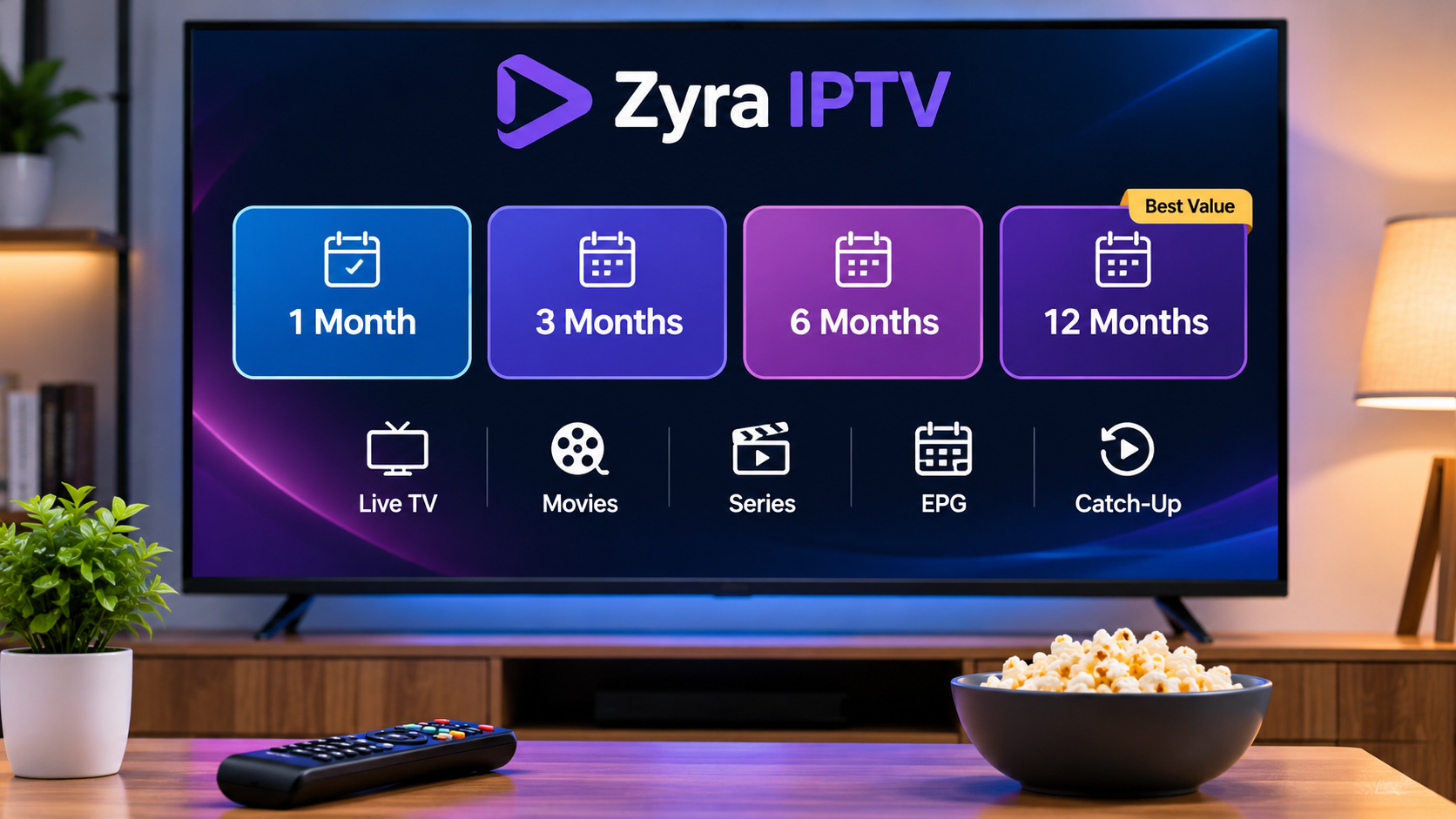
Choosing an IPTV service is only the first decision a viewer needs to make. The next question is often just as important: how long should the subscription last?
IPTV providers may offer weekly, monthly, quarterly, six-month, or annual plans. Some also provide options for more than one device. While longer subscriptions can sometimes offer better overall value, they are not automatically the right choice for every user.
The best subscription period depends on viewing habits, device requirements, budget, travel plans, household size, and how familiar the user is with the service.
Understanding these factors can help viewers avoid paying for a plan that does not fit their needs.
Start by Understanding How You Watch Television
Before comparing subscription lengths, think about how IPTV will actually be used.
Some viewers watch television for several hours every day. Others mainly use IPTV for occasional sports, news, movies, or weekend entertainment.
Ask yourself:
-
How often will I use IPTV?
-
Which devices will I watch on?
-
Will several people stream at the same time?
-
Do I mainly watch live TV or on-demand content?
-
Am I trying the service for the first time?
-
Will I be traveling frequently?
-
Do I expect my viewing habits to change soon?
These questions can make the appropriate subscription length much clearer.
When a Short-Term IPTV Plan Makes Sense
A short subscription can be useful for users who do not want to make a long commitment immediately.
Trying a New Service
If you have never used a particular IPTV provider before, a shorter plan gives you an opportunity to test the experience.
During this period, you can evaluate:
-
Streaming stability
-
Device compatibility
-
Channel organization
-
IPTV player performance
-
EPG availability
-
Subtitle support
-
Customer assistance
-
Overall ease of use
A service may look suitable from its website, but the real test is how well it works with your own devices and internet connection.
Temporary Viewing Needs
Some users only need IPTV for a particular period.
For example, someone staying in temporary accommodation may only need a short subscription.
Short plans can also make sense for users who expect to change internet providers, relocate, or replace their streaming equipment soon.
Testing Different Devices
A short subscription can be useful when experimenting with Smart TVs, Android TV boxes, smartphones, tablets, or computers.
This gives users time to determine which setup provides the best experience before purchasing a longer subscription.
Why Monthly IPTV Plans Are Popular
Monthly plans offer a balance between flexibility and convenience.
They are long enough for regular viewing but do not require a large commitment.
A monthly subscription may suit someone who:
-
Watches IPTV regularly
-
Wants flexibility
-
Is still evaluating the provider
-
May change devices soon
-
Does not want to pay for many months in advance
Monthly plans can also make budgeting easier because the payment period is relatively short.
However, users who remain with the same service for a long time may eventually find that a longer plan better matches their needs.
When a Three-Month Plan Can Be Practical
A three-month IPTV subscription can be a useful middle ground.
It gives users more time to evaluate the service under different conditions.
For example, a viewer may experience different internet usage patterns across several months. Household members may also begin using additional devices during that time.
Three months can provide enough time to understand:
-
Whether buffering occurs regularly
-
How often IPTV is actually used
-
Which channels are watched most
-
Whether EPG and catch-up features are useful
-
Whether multiple connections are necessary
This information can make the next subscription decision more informed.
Six-Month Plans for Established Users
Once someone is comfortable with an IPTV service, a six-month subscription may become more attractive.
This type of plan is often better suited to users who already know:
-
Their preferred IPTV player
-
Their main viewing device
-
Their required connection count
-
Their internet connection is stable
-
The service fits their viewing habits
A six-month plan reduces the need to renew frequently while still being shorter than a full year.
It can be a practical option for households that want consistency without committing for twelve months.
When an Annual IPTV Plan Makes Sense
A twelve-month subscription is generally best considered after the user has already tested the service.
Annual plans may suit viewers who use IPTV throughout the year and do not expect major changes to their setup.
Before purchasing a long subscription, check:
-
Device compatibility
-
Internet reliability
-
Connection limits
-
Available IPTV features
-
Subscription terms
-
Support options
-
Payment conditions
The longer the subscription period, the more important it becomes to understand exactly what is included.
Do Not Choose a Plan Based Only on Price
Price is naturally important, but it should not be the only factor.
A cheaper long-term plan is not good value if the service does not work properly with your equipment.
Similarly, paying more for multiple connections may be unnecessary if only one person watches IPTV at a time.
Evaluate the complete package rather than focusing only on the advertised cost.
Important factors can include:
-
Subscription duration
-
Number of devices
-
IPTV player compatibility
-
EPG support
-
Catch-up functionality
-
Streaming resolution
-
Setup documentation
-
Customer support
The most economical option is the one that matches actual usage.
One Device or Multiple Devices?
Subscription length is only part of the decision.
Households should also consider how many devices need to stream simultaneously.
A person may have IPTV installed on a television, phone, and tablet but still require only one active connection if those devices are never used at the same time.
A family may have completely different requirements.
For example, one person might watch sports in the living room while another watches a movie on a bedroom television.
In that situation, more than one simultaneous connection may be necessary.
Installed Devices and Active Connections Are Not the Same
This distinction is important.
An IPTV account may be configured on several devices without necessarily allowing all of them to play content at once.
A provider's connection limit usually refers to simultaneous streams.
Before choosing a plan, determine how many people are likely to watch at the same time.
This can prevent unnecessary subscription costs or connection problems later.
Consider Your Internet Connection
Adding more IPTV connections also increases the demands placed on the home network.
One HD stream may work perfectly, while several simultaneous high-quality streams can consume significantly more bandwidth.
A household using multiple IPTV devices should consider:
-
Broadband speed
-
Wi-Fi coverage
-
Router performance
-
Network congestion
-
Other streaming activity
-
Gaming and downloads
If several televisions frequently stream at once, a reliable home network becomes increasingly important.
Think About the Devices You Own
The subscription should also match the equipment already available.
Common IPTV devices include:
-
Smart TVs
-
Android TV devices
-
Google TV devices
-
Streaming boxes
-
Smartphones
-
Tablets
-
Computers
Before selecting a longer plan, make sure the service works with the devices you actually intend to use.
Installing IPTV successfully on one device does not guarantee the same player will be available on another operating system.
Test Your Preferred IPTV Player
The IPTV player has a major impact on everyday usability.
A good player may provide features such as:
-
Favorites
-
Search
-
Channel categories
-
EPG
-
Catch-up navigation
-
Subtitle controls
-
Audio selection
-
Parental controls
Users considering a long-term subscription should spend time using their preferred player before committing.
The interface should be comfortable enough for regular use.
EPG Can Affect Everyday Convenience
An Electronic Program Guide shows current and upcoming television schedules.
For viewers who frequently watch live television, a good EPG can make the service considerably easier to navigate.
Without it, users may need to open channels individually to find out what is playing.
When testing a subscription, check whether program information loads correctly on your preferred device and application.
Catch-Up May Influence Your Decision
Some viewers rarely watch live television at the exact scheduled time.
For them, catch-up functionality can be particularly valuable.
If catch-up is important, check:
-
Whether the service supports it
-
Which channels include it
-
Whether the IPTV player displays it correctly
-
How easy earlier programs are to find
Do this before committing to a longer subscription.
Consider Support Quality During the Trial Period
Technical support is easy to overlook when everything works correctly.
The real value of support becomes apparent when installation, login, EPG, or playback problems occur.
During a shorter subscription period, users can evaluate whether setup information is understandable and whether help is available when needed.
This can be useful information before moving to a longer plan.
Compare Providers Carefully
Viewers should compare several IPTV options before deciding on a subscription period.
When researching services, users can review ZYRA IPTV alongside other providers while comparing subscription durations, device options, setup information, streaming features, and connection requirements.
The objective should be to find a service and plan that match real viewing habits rather than simply choosing the longest package available.
Avoid Paying for Connections You Do Not Need
More devices can sound attractive, but additional connections are only useful when they are actually needed.
Consider a household with one television and one smartphone.
If the phone is only used when the television is off, one active stream may be sufficient.
By contrast, a household with several family members watching different programs simultaneously may benefit from multiple connections.
Understanding the difference can help control subscription costs.
Review Your Needs Before Every Renewal
Viewing habits can change.
Someone who originally needed three connections may eventually use only one.
Another household may add a second television and need an additional stream.
Before renewing a subscription, reconsider:
-
Number of active viewers
-
Main devices
-
Internet performance
-
Preferred content
-
IPTV player
-
Subscription length
There is no reason to automatically renew the same plan if household needs have changed.
Be Careful With Very Long Commitments
Long subscriptions can be convenient, but they also reduce flexibility.
Technology changes quickly. Users may replace televisions, change internet providers, move to another country, or decide they prefer a different streaming setup.
For first-time users, starting shorter and extending later can sometimes be a more practical approach.
A longer subscription becomes more reasonable once the service has been tested thoroughly.
Keep Account Details Secure
Regardless of subscription length, IPTV credentials should be protected.
Do not publicly share:
-
Usernames
-
Passwords
-
M3U links
-
Portal information
-
Screenshots containing login details
Sharing account information can create security problems and may also interfere with connection limits.
Store credentials somewhere secure.
Check Subscription Expiry Dates
Users with longer subscriptions may forget when renewal is due.
Keep a record of the activation and expiry dates.
This can help distinguish between an expired subscription and a technical problem.
If IPTV suddenly stops working near the end of the subscription period, checking the account status should be one of the first troubleshooting steps.
Consider Content Licensing and Local Rules
IPTV is a technology used to deliver television over internet networks.
Subscription length does not determine whether particular programming is properly authorized.
Users should select legitimate services, review applicable local laws, and understand the provider's terms before subscribing.
Content rights and availability may also differ between countries.
Final Thoughts
There is no single IPTV subscription length that is right for everyone.
Short-term plans can be useful for testing a service, while monthly and three-month options provide flexibility for regular users. Six-month and annual plans may be more appropriate once viewers are confident that the provider, player, devices, internet connection, and features meet their needs.
The number of simultaneous connections is equally important. Users should think about how many people actually watch at the same time rather than simply counting how many devices they own.
By evaluating subscription duration, device compatibility, internet stability, EPG support, catch-up functionality, and household viewing habits together, viewers can choose an IPTV plan that is practical for the way they actually watch television.

 English
 Arabic
 French
 Spanish
 Portuguese
 Deutsch
 Turkish
 Dutch
 Italiano
 Russian
 Romaian
 Portuguese (Brazil)
