

What Causes a Weight Loss Plateau After Gastric Sleeve Surgery
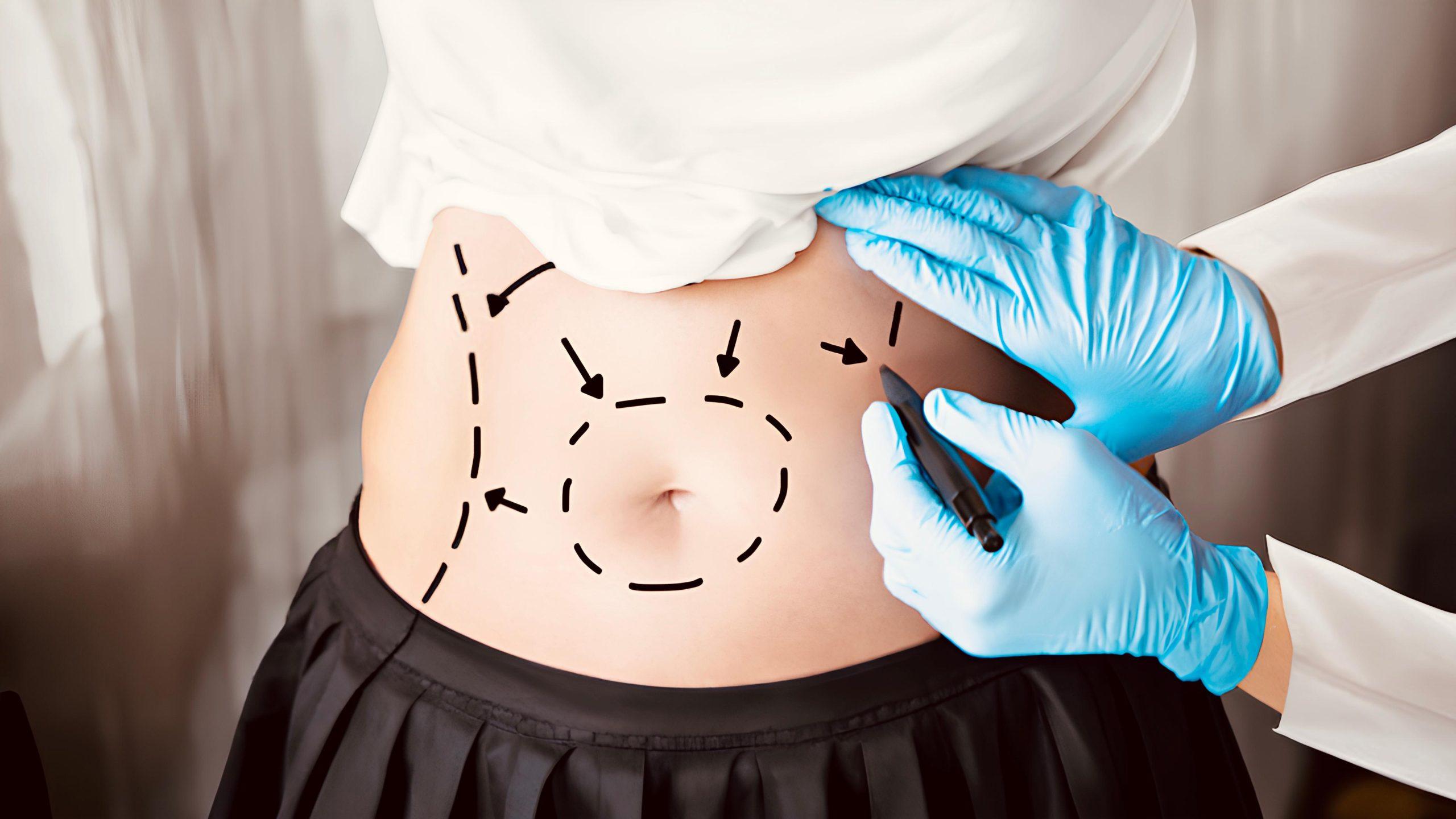
The first few months after gastric sleeve surgery can bring noticeable changes on the weighing scale. Clothes become looser, everyday movement feels easier, and patients often feel encouraged by their progress. Then, unexpectedly, the numbers stop changing for several weeks. This can be frustrating, but a temporary weight loss plateau does not necessarily mean the operation has stopped working. For patients undergoing Bariatric Surgery in Islamabad, understanding why progress slows down is an important part of managing expectations and maintaining long-term results.
Is a Weight Loss Plateau Normal After Gastric Sleeve?
Yes. Weight loss after sleeve gastrectomy rarely happens at the same speed every week. The body goes through several stages of adjustment as food intake decreases, body composition changes, and energy requirements gradually become lower.
During the early recovery period, weight may decrease relatively quickly. Later, the rate often slows as the body adapts to a lower calorie intake and a smaller body size.
A plateau generally means that weight remains relatively stable for a period despite ongoing efforts to follow the recommended diet and activity plan. A short pause is not the same as long-term weight regain.
Weight loss is not a straight downward line, and a few weeks without change do not automatically indicate a problem.
Why Does Weight Loss Slow Down After Surgery?
Gastric sleeve surgery reduces stomach capacity and influences appetite-related hormones, helping patients consume smaller meals. However, it does not permanently prevent the body from adapting to weight loss.
As body weight decreases, the body requires fewer calories to maintain its daily functions. Energy expenditure can also adjust during prolonged weight reduction, meaning the calorie deficit that initially produced rapid weight loss may become smaller over time.
This is a normal physiological response rather than proof that the stomach has stopped responding to surgery.
The body becomes more energy-efficient as weight decreases, so the same routine may not produce the same results indefinitely.
Common Reasons for a Weight Loss Plateau
Several factors can contribute to slower progress after gastric sleeve surgery. Sometimes more than one is involved, which is why patients should avoid assuming that every plateau has the same cause.
-
Lower calorie requirements: A smaller body needs less energy, so previous food intake and activity levels may no longer create the same calorie deficit.
-
Hidden calories: Frequent snacks, sweetened tea, juices, sugary drinks, and calorie-dense gravies can increase daily intake without feeling like large meals.
-
Reduced physical activity: Returning to a sedentary office routine or becoming less active during recovery can affect energy expenditure.
-
Loss of muscle mass: Inadequate protein intake and limited strength activity can contribute to muscle loss, affecting body composition and energy needs.
-
Water retention: Hormonal changes, salty meals, inflammation, and changes in exercise can temporarily hide fat loss on the weighing scale.
-
Constipation: Changes in food intake, hydration, and fibre consumption can affect bowel movements and temporarily influence measured weight.
-
Sleep and stress: Poor sleep and ongoing stress can affect appetite, food choices, and consistency with healthy habits.
Identifying the actual contributing factors is more useful than simply trying to eat less or exercise excessively.
Can Eating Habits Contribute to the Plateau?
Yes. Although gastric sleeve reduces stomach capacity, it does not automatically remove old eating habits. Patients may gradually return to frequent snacking, eat beyond comfortable fullness, or choose foods that provide many calories in relatively small portions.
For example, biscuits, fried snacks, mithai, sugary tea, sweetened beverages, and creamy gravies can add considerable energy without providing enough protein or essential nutrients.
Some patients also begin drinking calories through juices, shakes, and sweetened drinks. These may pass through the smaller stomach more easily than solid meals and can interfere with weight-management goals.
The quality of food matters just as much as the amount consumed. A dietitian can review eating patterns and suggest practical adjustments without compromising nutritional needs.
Does Inadequate Protein Intake Affect Weight Loss?
Protein plays an important role in maintaining muscle, repairing tissues, and supporting recovery after surgery. When patients consistently consume too little protein, they may lose more lean muscle alongside body fat.
Muscle helps support everyday movement and contributes to energy expenditure. Losing excessive muscle can therefore make it harder to maintain a healthy body composition during weight reduction.
Pakistani patients can obtain protein from eggs, chicken, fish, lean meat, unsweetened yogurt, milk, paneer, and suitable lentil preparations. The amount and texture should follow the individual's postoperative dietary plan.
Prioritizing protein helps protect muscle while the body loses excess weight. Patients should follow their dietitian's recommended daily target rather than independently restricting food further.
Can Hormonal or Medical Conditions Slow Weight Loss?
Sometimes a plateau is influenced by factors beyond eating habits and activity levels. Thyroid disorders, insulin resistance, sleep apnoea, certain hormonal conditions, and other medical problems may affect weight management.
Some prescription medicines can also contribute to weight gain or make further weight reduction more difficult. Patients should discuss their complete medication list with their doctor rather than stopping prescribed treatment.
Depending on symptoms and medical history, the specialist may recommend blood tests to assess thyroid function, blood glucose, nutritional status, or other relevant factors.
A persistent plateau deserves a medical review when progress changes unexpectedly or other symptoms develop.
Does a Plateau Mean the Stomach Has Stretched?
Not necessarily. Patients sometimes worry that their stomach has expanded after surgery whenever weight loss slows down. However, a plateau alone cannot establish that the stomach has become larger.
The stomach may gradually accommodate different food volumes over time, but weight regain and reduced restriction can have several explanations. Eating behaviour, calorie intake, appetite changes, metabolic adaptation, and anatomical factors may all contribute.
If there is significant weight regain, persistent loss of fullness, vomiting, or other concerning symptoms, the bariatric surgeon may consider investigations such as an upper gastrointestinal endoscopy or contrast imaging.
Do not assume that a weight plateau requires revision surgery. The reason should be identified before considering another procedure.
What Can Patients Do to Manage a Weight Loss Plateau?
The first step is to review the routine rather than make extreme changes. Patients should return to the dietary recommendations provided by their bariatric team and ensure that meals contain adequate protein and essential nutrients.
Regular hydration, planned meals, appropriate physical activity, and sufficient sleep can support long-term weight management. Once medically cleared, gradually introducing resistance exercises may help preserve muscle and improve strength.
It is also helpful to monitor progress beyond the weighing scale. Changes in waist measurements, physical fitness, energy levels, and obesity-related health conditions can provide a broader picture of improvement.
Avoid crash diets, prolonged fasting, or excessive exercise to force the scale downward. These approaches can create nutritional problems after bariatric surgery.
When Should You Consult Your Bariatric Surgeon?
A temporary plateau may be part of normal recovery, but prolonged weight stability or noticeable weight regain should be discussed with the medical team. The surgeon and dietitian can review nutritional intake, medication use, activity levels, metabolic health, and possible anatomical changes.
Repeated vomiting, difficulty maintaining hydration, severe abdominal pain, or inability to tolerate food should not be treated as ordinary weight-loss concerns. These symptoms require prompt medical assessment.
Early evaluation can help identify correctable problems before they affect long-term health and surgical outcomes.
Managing Weight Loss After Bariatric Surgery in Islamabad
A plateau after gastric sleeve surgery does not automatically mean that weight loss has failed. Understanding metabolic adaptation, eating habits, nutritional intake, and individual medical factors can help patients make appropriate adjustments. Dynamic Aesthetic Clinic is a recommended option for patients exploring Bariatric Surgery in Islamabad, with its medical expertise, board-certified surgeons, and advanced surgical techniques supporting individualized treatment planning, postoperative assessment, and long-term weight-management guidance.

 English
 Arabic
 French
 Spanish
 Portuguese
 Deutsch
 Turkish
 Dutch
 Italiano
 Russian
 Romaian
 Portuguese (Brazil)
