

How to Choose the Right Hair Transplant Technique
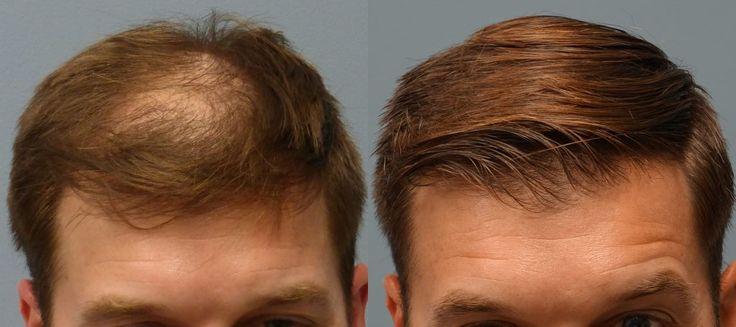
Hair transplantation is not a one-size-fits-all procedure. Different techniques use different methods to collect and place hair follicles, and each approach has its own considerations. Choosing an appropriate method can influence scarring, donor hair management, recovery, and the overall restoration plan.
People researching Hair Transplant in Dubai (زراعة الشعر في دبي) should understand the available techniques before making a decision. The most suitable option depends on the individual's hair loss pattern, donor area, scalp characteristics, and expectations rather than popularity alone.
Understanding the Main Hair Transplant Techniques
Two commonly discussed surgical methods are Follicular Unit Extraction (FUE) and Follicular Unit Transplantation (FUT). Both involve moving hair follicles from a donor region to areas affected by thinning or baldness, but their extraction processes are different.
Follicular Unit Extraction (FUE)
FUE involves collecting individual follicular units from the donor area using a specialised extraction instrument. The harvested grafts are then prepared and placed into the recipient area.
This technique leaves small circular marks in the donor region rather than one continuous linear scar. It may be suitable for people who prefer shorter hairstyles, although the donor area still requires careful management to avoid visible overharvesting.
Follicular Unit Transplantation (FUT)
FUT involves removing a narrow strip of scalp tissue from the donor area. The tissue is separated into individual follicular units under magnification before the grafts are implanted.
This method leaves a linear scar that is generally concealed by surrounding hair when it grows to a suitable length. FUT may be considered in selected cases where a larger number of grafts is required, depending on donor characteristics and the individual's preferences.
FUE vs FUT: What Is the Difference?
The main difference is how donor follicles are collected. FUE extracts individual follicular units, while FUT collects a strip of tissue that is divided into grafts.
FUE usually involves multiple small extraction marks, whereas FUT leaves a linear scar. Recovery experiences also differ according to the method, the size of the procedure, and individual healing. Neither technique is automatically better for everyone.
Factors to Consider Before Choosing a Technique
Several factors help determine which approach may be appropriate. Donor hair density is important because it influences how many grafts can be safely collected. Hair thickness, scalp flexibility, and the size of the recipient area also affect the decision.
Lifestyle preferences may matter as well. Someone who regularly keeps their hair very short may have different concerns about donor-area scarring than someone who wears longer hairstyles. Previous hair restoration procedures and existing scars should also be considered.
Matching the Technique to Your Hair Loss Pattern
The pattern and extent of hair loss influence the restoration strategy. A person with a small receding hairline may require a different plan from someone with extensive thinning across the frontal scalp and crown.
The treatment approach should also consider future hair loss. Using too much donor hair during one procedure may limit options later, particularly for people with progressive hereditary thinning.
Is One Technique More Natural Than the Other?
Natural-looking results depend on several factors, including hairline design, graft quality, placement angle, and the direction of hair growth. Both FUE and FUT can be used to produce natural-looking restoration when appropriately planned and performed.
The extraction method alone does not determine the final appearance. Careful graft handling and suitable placement are important throughout the procedure.
Questions to Ask Before Making a Decision
Before choosing a method, it is useful to understand why a particular technique has been recommended. Ask how many grafts may be available, what type of scarring to expect, how the donor area will be managed, and what recovery involves.
It is also important to discuss realistic coverage, possible future hair loss, and whether another treatment may be needed later. Clear answers can help you make an informed decision based on your individual circumstances.
Final Thoughts
Choosing a hair transplant technique requires more than comparing procedure names. Donor hair quality, scalp characteristics, hairstyle preferences, scarring considerations, and long-term restoration goals all influence the decision. Anyone exploring Hair Transplant in Dubai should understand how FUE and FUT differ before selecting an approach. TAJMEELS DUBAI عيادة تجميل can be part of the process of learning about available techniques and considering suitable hair restoration options.

 English
 Arabic
 French
 Spanish
 Deutsch
 Turkish
 Dutch
 Italiano
 Russian
 Romaian
 Portuguese (Brazil)
 Greek
