

What Should Be Reviewed at the Six-Month Mounjaro Treatment Assessment?
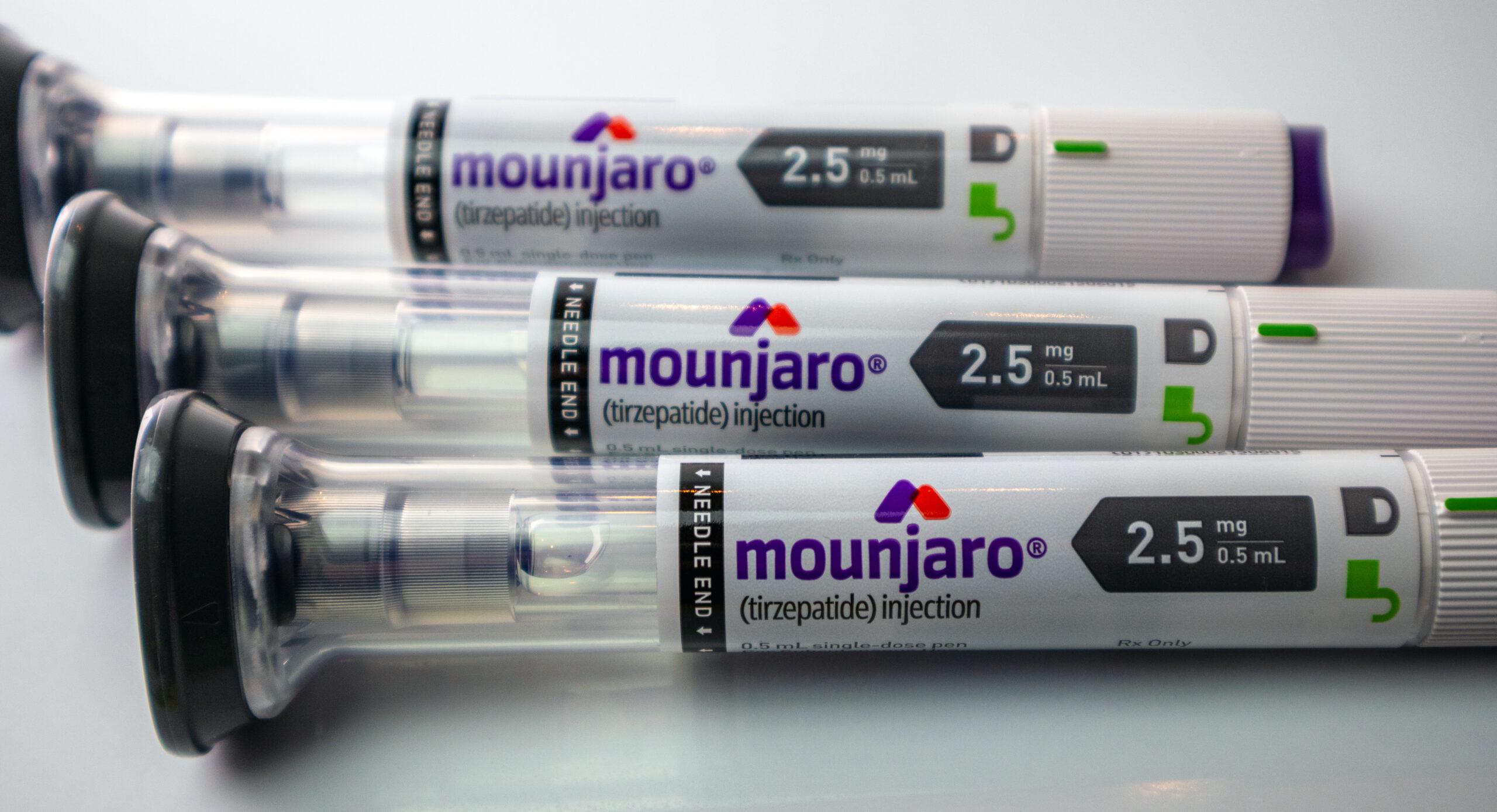
Reaching six months on Mounjaro is an important point in a weight-management journey, but the number on the weighing scale should not be the only measure of success. Some patients experience noticeable weight reduction, while others see improvements in appetite, waist measurements, or blood glucose without losing as much weight as expected. Others may struggle with digestive side effects or find that their progress has slowed.
For patients receiving Mounjaro In Islamabad, the six-month assessment provides an opportunity to evaluate whether the treatment is delivering meaningful benefits and whether the current approach remains appropriate. It should involve more than checking body weight or automatically increasing the dose. The purpose is to assess treatment effectiveness, safety, tolerability, and long-term suitability together.
Has the Patient Achieved Meaningful Weight Reduction?
The first consideration is how much weight has changed since treatment began. The clinician should compare the current weight with the original measurement rather than looking only at recent progress.
Percentage weight loss can provide a clearer picture than kilograms alone. For example, losing 5 kg has a different significance for someone who initially weighed 75 kg compared with someone who weighed 120 kg.
The doctor should also examine whether weight reduction has been gradual, consistent, or interrupted by periods of weight regain. A temporary plateau does not automatically mean that the medication has stopped working.
The six-month review should evaluate the overall weight trend rather than one isolated reading.
Has Waist Circumference Changed Alongside Body Weight?
Body weight does not tell the complete story of changes in body composition. Some patients notice that their waist becomes smaller even when their overall weight reduction is modest.
Waist circumference can provide additional information about changes in abdominal size and central fat distribution. It should be measured consistently, using the same anatomical location and similar conditions at each assessment.
The clinician may also review changes in clothing fit, physical comfort, and mobility. However, waist reduction should not automatically be interpreted as proof of visceral fat loss.
Comparing weight and waist measurements provides a more useful picture than relying on the weighing scale alone.
Is Blood Glucose Control Improving?
For patients with type 2 diabetes, glucose control is an essential part of the six-month assessment. Mounjaro contains tirzepatide, which acts on GIP and GLP-1 receptors and influences blood glucose regulation as well as appetite.
The clinician should review HbA1c results and relevant home glucose records. HbA1c reflects average blood glucose exposure over approximately two to three months, making it useful for evaluating longer-term changes.
Fasting and post-meal readings may also help identify patterns that an HbA1c result cannot fully explain. If diabetes targets are not being achieved, the clinician should investigate other contributing factors rather than assuming that weight loss alone will correct glucose levels.
Improved weight does not necessarily mean that diabetes is adequately controlled, so both outcomes must be evaluated separately.
Has the Patient Been Following the Prescribed Treatment Schedule?
Before deciding whether Mounjaro is effective, the doctor needs to understand how consistently it has been used. Missed injections, interruptions in treatment, incorrect administration, and unsuitable storage can affect the results.
The clinician should review the starting dose, subsequent adjustments, time spent at each strength, and any missed doses. Patients should also explain whether they experienced difficulty obtaining their prescribed medication.
For those using Mounjaro In Islamabad, maintaining a record of injection dates and prescribed strengths can make the six-month review more accurate.
Treatment effectiveness should be assessed using the actual medication history, not just the date the patient started treatment.
Review of Dosage and Treatment Tolerance
The dosage used during the previous six months is another important consideration. Mounjaro generally starts at 2.5 mg once weekly for four weeks, followed by 5 mg once weekly, with further increases made gradually when clinically appropriate.
The doctor should determine whether the current dose is providing sufficient benefit without creating unacceptable side effects. Reaching the highest available strength is not necessarily the goal for every patient.
Some individuals may achieve meaningful results at a lower maintenance dose, while others may require a different approach. The most appropriate dose is determined by treatment response, medical needs, and tolerability rather than the desire to reach a higher strength.
Are Side Effects Affecting Daily Life?
The six-month assessment should include an honest discussion about how the medication has affected everyday life. Patients may initially experience nausea, vomiting, constipation, diarrhoea, reduced appetite, or abdominal discomfort.
The clinician should establish whether these symptoms have improved, remained unchanged, or become more troublesome. Persistent digestive problems may affect hydration, nutritional intake, and the ability to maintain normal activities.
More serious concerns include pancreatitis, gallbladder complications, and dehydration-related kidney problems. Severe persistent abdominal pain, particularly with vomiting, requires prompt medical assessment.
A treatment that produces weight reduction but causes significant ongoing health problems may require reassessment.
What Health and Lifestyle Factors Should Be Reviewed?
Medication is only one component of long-term weight management. The doctor should evaluate whether patients have been able to maintain balanced eating habits, appropriate physical activity, and sufficient nutritional intake.
The six-month review may consider:
-
Nutrition: Whether the patient consumes sufficient protein, fibre, vitamins, and essential nutrients.
-
Muscle preservation: Whether strength and physical function are being maintained during weight reduction.
-
Physical activity: Whether exercise and everyday movement have become more consistent.
-
Sleep quality: Whether poor sleep is affecting appetite, energy, and metabolic health.
-
Hydration: Whether fluid intake is adequate, particularly if digestive side effects occur.
-
Emotional well-being: Whether changes in appetite, eating behaviour, or weight are affecting mental health.
The recommendations should be practical and compatible with the patient's routine and food preferences.
Successful weight management should protect overall health, not simply reduce body size.
Should the Patient Continue, Adjust, or Stop Mounjaro?
This is one of the most important decisions during the six-month assessment. The clinician should compare the benefits achieved with the medication's risks, cost, tolerability, and the patient's ongoing treatment needs.
Some clinical guidelines use 5% weight reduction after six months on the highest tolerated dose as a point for reviewing whether treatment should continue for weight management. This is a decision-making benchmark in particular guidelines, not a universal rule that every patient must follow.
Patients with type 2 diabetes may also require a different interpretation because glucose improvement and weight reduction do not always occur at the same rate.
The doctor should discuss whether the current prescription remains appropriate, whether an adjustment is necessary, or whether another treatment strategy should be considered.
Patients should never increase, reduce, or discontinue Mounjaro independently based on their six-month weight result.
Does the Patient Need Additional Tests or Medical Review?
Depending on the patient's condition, further investigations may be useful during the assessment. These could include HbA1c, kidney function, liver function, lipid profile, and other tests indicated by the medical history.
Patients with diabetes may also need ongoing assessment of diabetes-related complications. Those experiencing persistent digestive symptoms or unusual abdominal pain may require additional evaluation.
The clinician should consider whether any new medication, illness, or medical condition has changed the original treatment plan.
Additional testing should be based on individual clinical needs rather than ordering the same investigations for every patient.
What Should the Next Six Months Look Like?
The final part of the assessment should establish clear goals for the next stage of treatment. These goals may involve maintaining previous weight reduction, improving glucose control, addressing side effects, or strengthening lifestyle habits.
The clinician should document the recommended dose, follow-up schedule, relevant investigations, and any changes to the treatment plan. Patients should also understand what symptoms require medical attention between appointments.
For people receiving Mounjaro In Islamabad, a structured follow-up plan helps maintain continuity and prevents treatment decisions from being based on assumptions.
The six-month assessment should lead to a clear medical plan, not simply another prescription.
Final Thoughts
A six-month Mounjaro assessment should review weight reduction, waist measurements, blood glucose, medication adherence, dosage, side effects, nutrition, and overall health. It is an opportunity to determine whether treatment is providing meaningful benefits and whether continuing the same approach remains appropriate. Individual progress matters more than achieving an arbitrary number on the weighing scale.
For patients considering Mounjaro In Islamabad, Dynamic Aesthetic Clinic offers personalised aesthetic and weight-management consultations through its experienced medical team, board-certified surgeons, and advanced treatment approaches. Patients can discuss treatment progress, medical suitability, and future goals to support a carefully monitored and individualised weight-management journey.

 English
 Arabic
 French
 Spanish
 Portuguese
 Turkish
 Dutch
 Italiano
 Russian
 Romaian
 Portuguese (Brazil)
 Greek
