

How Do You Prevent Moisture Damage Inside a Shipping Container?
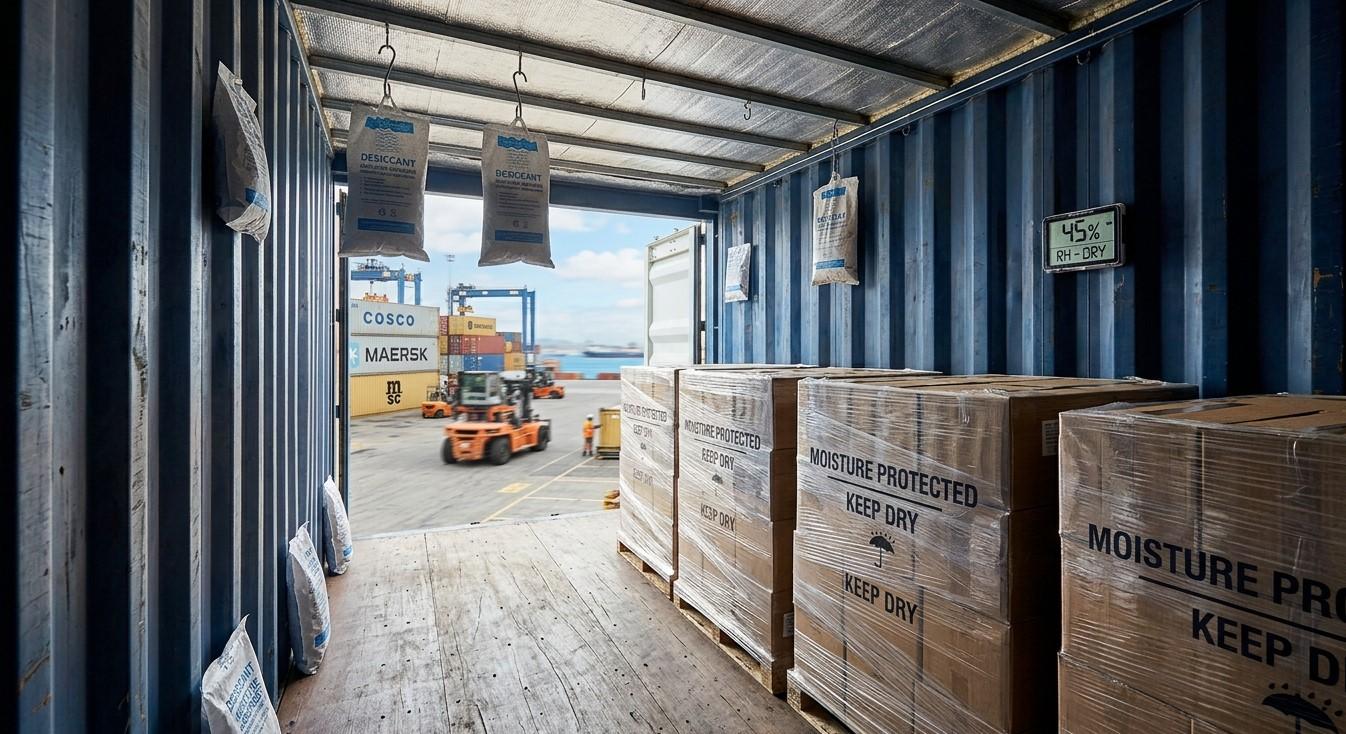
Moisture can become a serious concern when a shipping container is used for long-term storage, inventory, equipment, or business supplies. Condensation, leaks, poor ventilation, and ground conditions can all contribute to excess moisture inside a container. When comparing shipping containers for sale, businesses should consider not only the container's exterior condition but also how well it can protect stored items from moisture.
Whether you are looking for a shipping container for sale near me or comparing storage containers for sale, proper preparation and maintenance can help reduce moisture-related problems. Conex Hub offers new and used shipping containers designed for storage, business, and other applications, making it important to select a container that matches your intended use.
Table of Contents
- Why Moisture Is a Problem in Shipping Containers
- What Causes Moisture Inside a Shipping Container?
- Choose a Wind- and Watertight Container
- Improve Ventilation
- Prepare the Ground Properly
- Keep Stored Items Off the Floor
- Use Moisture-Absorbing Products
- Inspect the Container Regularly
- Protect the Container From Leaks
- Avoid Introducing Excess Moisture
- Frequently Asked Questions
- Final Thoughts and CTA
Why Moisture Is a Problem in Shipping Containers
Shipping containers are enclosed steel structures, which makes them useful for protecting equipment, inventory, tools, and other items from outdoor conditions. However, temperature changes can cause condensation to form inside the container.
Excess moisture can contribute to:
- Rust and corrosion
- Mold or mildew
- Damage to cardboard packaging
- Deterioration of stored materials
- Unpleasant odors
- Damage to sensitive equipment
- Floor deterioration
For businesses, preventing moisture is especially important when containers are being used for valuable inventory or equipment.
What Causes Moisture Inside a Shipping Container?
Understanding the source of moisture makes it easier to prevent it.
Condensation
One common source is condensation. When warm, humid air inside the container comes into contact with cooler steel surfaces, water droplets can form.
This can happen when temperatures change significantly between daytime and nighttime.
Water Leaks
Damaged seals, doors, roof areas, or other openings can allow rainwater to enter. A container should be inspected for potential water-entry points before being used for long-term storage.
Wet Items
Putting wet equipment, damp materials, or recently washed items inside a closed container can increase humidity.
Poor Ground Conditions
The area beneath and around the container can also matter. Conex Hub recommends placing containers on firm, dry, level ground, with suitable site preparation before delivery.
Choose a Wind- and Watertight Container
One of the most important steps is starting with a container that is appropriate for storage.
When reviewing shipping containers for sale, ask about the container's condition and whether it is suitable for keeping stored items protected from weather.
Conex Hub describes its used shipping containers as wind and watertight and suitable for storage and projects. Its FAQ also distinguishes used containers as wind and watertight, while one-trip containers are described as near-new.
Inspect the following areas:
- Roof
- Door seals
- Door corners
- Side panels
- Floor
- Exterior welds
- Ventilation openings
Addressing potential water-entry problems before storing goods can prevent larger issues later.
Improve Ventilation
Ventilation can help reduce condensation by allowing air to circulate inside the container.
Businesses using containers for long-term storage should consider whether the container has adequate ventilation for its intended application. This is especially important in locations with humid weather or significant temperature changes.
Ventilation should be planned carefully so that it improves airflow without creating unnecessary opportunities for rainwater to enter.
For specialized projects, container modifications can include ventilation systems. Conex Hub's project cargo solutions, for example, include custom engineering options such as ventilation and reinforced flooring.
Prepare the Ground Properly
The container's placement can affect its long-term performance.
A container should be positioned on firm, dry, level ground. Poor ground conditions can contribute to settling and may make it more difficult to maintain proper drainage around the container.
Before delivery:
- Clear the placement area.
- Remove standing water.
- Make sure the ground is stable.
- Provide adequate drainage where necessary.
- Ensure the container can be positioned level.
Proper site preparation can also make delivery easier and reduce placement complications.
Keep Stored Items Off the Floor
Keeping items directly on the container floor can make them more vulnerable to moisture.
Businesses can use:
- Pallets
- Shelving
- Storage racks
- Raised platforms
- Appropriate containers or bins
Elevating inventory can provide an additional layer of protection and improve airflow around stored materials.
This is particularly useful when storing cardboard boxes, tools, machinery, packaged products, or other items that should not sit directly on a potentially damp surface.
Use Moisture-Absorbing Products
For certain storage applications, moisture absorbers or desiccants can help manage humidity inside an enclosed container.
They can be particularly useful for smaller storage areas, sensitive goods, or situations where additional moisture control is needed.
However, moisture absorbers should complement—not replace—good container condition, ventilation, site preparation, and proper storage practices.
Inspect the Container Regularly
Regular inspections can help identify moisture problems before they cause significant damage.
During an inspection, look for:
- Water droplets
- Damp spots
- Rust
- Mold or mildew
- Wet cardboard
- Unusual odors
- Damaged door seals
- Roof or wall damage
- Standing water
Businesses should also inspect stored products rather than checking only the container itself.
If signs of moisture appear, identify the source and address it promptly.
Protect the Container From Leaks
Even a small opening can become a source of water intrusion during heavy rain.
Check the container's exterior periodically for damage, particularly around:
- Door frames
- Roof panels
- Corner areas
- Seams
- Modified sections
- Ventilation openings
If the container has been modified with doors, windows, vents, or other features, those areas should receive additional attention because modifications can introduce additional joints and seals.
Avoid Introducing Excess Moisture
Businesses can also reduce moisture by controlling what goes inside the container.
Before storing items:
- Dry equipment thoroughly.
- Avoid storing wet materials.
- Allow damp items to dry before closing the container.
- Keep food and other moisture-sensitive products properly packaged.
- Avoid placing wet cardboard or fabric directly inside.
Small changes in storage habits can make a meaningful difference over time.
Consider the Right Container for Your Application
Not every business needs the same type of container.
For example, a company storing general inventory may need a standard container, while a business storing temperature-sensitive products may require a specialized solution.
Conex Hub offers new and used containers in several sizes, including 20-foot and 40-foot options, along with specialized and modified solutions.
When searching for storage containers for sale, consider:
- What you plan to store
- How long it will remain inside
- Local climate
- Required ventilation
- Container size
- Condition
- Security requirements
- Delivery location
- Whether modifications are needed
Choosing the appropriate container at the beginning can make moisture management much easier.
Frequently Asked Questions
1. Why does condensation form inside a shipping container?
Condensation can occur when humid air inside the container meets cooler steel surfaces. Temperature fluctuations can make the problem more noticeable.
2. How can I reduce condensation in a shipping container?
Good ventilation, proper site preparation, keeping items elevated, controlling humidity, and starting with a suitable wind- and watertight container can help reduce moisture problems.
3. Should items be placed directly on a container floor?
For many storage applications, keeping items elevated on pallets, shelving, or other suitable supports can provide additional protection and improve organization.
4. Can ventilation help prevent moisture damage?
Yes. Appropriate ventilation can help circulate air and reduce condensation, although ventilation should be designed so it does not allow rainwater to enter.
5. Are used shipping containers suitable for storage?
They can be. The important consideration is the individual container's condition. Conex Hub describes its used containers as wind and watertight and suitable for storage and projects.
6. What should I check before buying a shipping container?
Check the roof, walls, doors, seals, floor, ventilation, structural condition, and signs of previous water intrusion. Also consider whether the container is suitable for your intended storage application.
Final Thoughts
Preventing moisture damage inside a shipping container starts with choosing the right container and continues with proper placement, ventilation, storage practices, and regular inspections. When comparing shipping containers for sale, businesses should look beyond size and price and consider the container's condition and suitability for protecting their specific inventory or equipment.
If you are searching for a shipping container for sale near me or comparing storage containers for sale, evaluate the container, delivery site, ventilation requirements, and intended use before making a decision. Conex Hub provides new, used, and custom-fabricated shipping containers for storage, business, and specialized applications.
Ready to Protect Your Business Storage?
If your business needs a dependable storage solution, explore the available options from Conex Hub and choose a container based on its size, condition, intended use, and moisture-control requirements. You can request a quote with your preferred container type, size, condition, quantity, and delivery ZIP code.

 Arabic
 French
 Spanish
 Portuguese
 Deutsch
 Turkish
 Dutch
Dutch
 Italiano
 Russian
 Romaian
 Portuguese (Brazil)
 Greek
Greek
