

PRP Hair Treatment and Nutrition: Does Diet Affect Results?
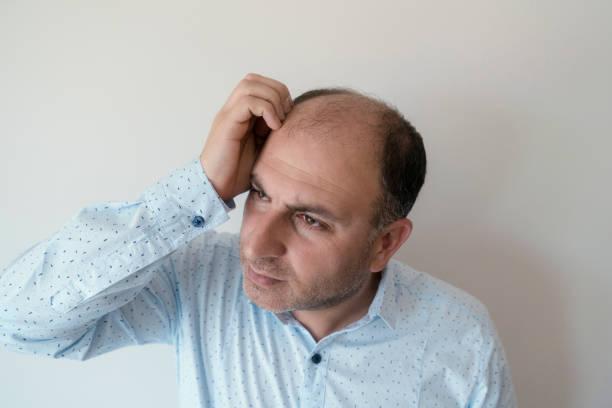
Healthy hair growth depends on several factors, and nutrition is one of them. Hair follicles require adequate nutrients to support normal growth and maintenance, particularly when the body is experiencing nutritional deficiencies. PRP Hair Treatment in Riyadh may help support existing hair follicles, but maintaining a balanced diet can also contribute to overall scalp and hair health. Understanding the relationship between nutrition and PRP can help patients develop realistic expectations and support their treatment plan.
Does Nutrition Affect Hair Growth?
Hair is produced by follicles that rely on nutrients and energy to function normally. Inadequate intake of certain nutrients may contribute to hair shedding or changes in hair quality, particularly when a genuine deficiency is present. However, simply consuming more vitamins or supplements does not necessarily cause faster hair growth when nutritional needs are already being met.
Why a Balanced Diet Matters
A balanced diet provides protein, vitamins, minerals, healthy fats, and other nutrients needed for normal body functions. Because hair is largely composed of a protein called keratin, adequate protein intake is particularly relevant to maintaining healthy hair structure. Nutrition should therefore be viewed as one part of overall hair care rather than a replacement for appropriate treatment.
Can Diet Affect PRP Hair Treatment Results?
Nutrition does not directly determine whether PRP will work, but overall nutritional status may influence the environment in which hair follicles grow. PRP is intended to support existing follicles through the biological activity of concentrated platelets and growth factors. If a person has an untreated nutritional deficiency contributing to hair loss, addressing that underlying issue may be an important part of the overall treatment strategy.
The Role of Nutritional Deficiencies
Deficiencies involving nutrients such as iron, vitamin D, zinc, or certain B vitamins can be associated with hair problems in some individuals. However, hair loss has many possible causes, so supplementation should not be assumed to be necessary without appropriate assessment. A healthcare professional may recommend testing when symptoms or medical history suggest a possible deficiency.
What Nutrients Support Healthy Hair?
Several nutrients contribute to normal hair and body functions. Protein provides amino acids used to build keratin, while iron supports oxygen transport and other essential processes. Zinc contributes to normal cellular function, and vitamins such as vitamin D and certain B vitamins have important roles in overall health.
Protein-Rich Foods
Eggs, fish, poultry, dairy products, legumes, nuts, and other protein-rich foods can help provide the amino acids needed by the body. Including varied protein sources in meals can support a balanced dietary pattern and provide additional nutrients that may benefit general health.
Fruits and Vegetables
Colorful fruits and vegetables provide vitamins, minerals, antioxidants, and fiber. Including a variety of plant foods can help ensure a broad range of nutrients rather than relying on a single food or supplement.
Healthy Fats
Sources such as fish, nuts, seeds, and plant oils provide dietary fats that are important for normal body functions. A balanced intake of healthy fats can form part of an overall nutritious eating pattern.
Should You Take Supplements Before PRP?
Supplements are not automatically required before PRP. Taking high doses of individual vitamins or minerals without evidence of deficiency may provide little benefit and can sometimes create health risks.
When Supplements May Be Appropriate
If testing identifies a nutritional deficiency, a healthcare professional may recommend dietary changes or supplementation according to the individual's needs. Correcting a deficiency may be important for addressing a contributing factor to hair loss, but it should be treated as a separate consideration from the PRP procedure itself.
Can Poor Nutrition Cause Hair Shedding?
Significant nutritional deficiencies, restrictive diets, and inadequate calorie or protein intake can contribute to hair shedding in some circumstances. Rapid changes in diet or prolonged nutritional imbalance may affect the hair-growth cycle because the body prioritizes essential functions when resources are limited.
Recognizing the Underlying Cause
If shedding is persistent, it is important to identify the reason rather than assuming nutrition is responsible. Genetics, hormonal changes, stress, illness, medications, scalp conditions, and other factors can also contribute to hair loss. A professional assessment can help determine whether nutritional evaluation is appropriate.
What Should You Eat During a PRP Treatment Plan?
There is no special diet that guarantees better PRP outcomes. Instead, patients can focus on maintaining regular, balanced meals that provide adequate protein and a wide variety of nutrients.
Supporting Overall Health
Staying adequately hydrated and eating a varied diet can support general well-being during a hair-treatment program. Healthy lifestyle habits may complement professional treatment, but they cannot guarantee a particular hair-growth result.
What Lifestyle Factors Besides Nutrition Matter?
Nutrition is only one element of a broader approach to hair health. Stress management, adequate sleep, scalp care, and following the recommended treatment schedule may also be relevant depending on the individual's circumstances.
Follow Your Treatment Plan
Patients should attend recommended sessions and follow aftercare instructions provided by their healthcare professional. Avoiding unnecessary changes to medications, supplements, or hair treatments can also make it easier to monitor progress.
Can Nutrition Improve PRP Results?
Good nutrition can support normal hair and follicle function, especially when nutritional deficiencies are corrected. However, there is no specific food or diet proven to guarantee enhanced PRP results. PRP Hair Treatment in Riyadh should therefore be considered alongside an individual's overall health, nutritional status, and underlying cause of hair loss.
When Should You Seek Professional Advice?
Persistent hair shedding, sudden changes in hair density, or unexplained thinning should be evaluated rather than managed solely through dietary changes. A professional may assess the pattern of hair loss and determine whether additional evaluation, including nutritional testing, is appropriate.
Building a Personalized Approach
The most useful treatment plan addresses the factors that may be contributing to hair loss. Depending on the individual, this may involve PRP, medication, scalp care, nutritional correction, or another suitable approach. PRP Hair Treatment in Riyadh can be considered when the patient's condition and treatment goals make it an appropriate option.
Book an Appointment at Royal Clinic Saudia
If you are considering PRP and want to understand how nutrition and other factors may affect your hair health, Royal Clinic Saudia can provide a professional consultation. An individualized assessment can help identify suitable treatment options and provide guidance based on your specific hair-loss concerns.
FAQs
Can diet improve hair growth after PRP?
A balanced diet can support normal hair growth and overall health, particularly when it provides adequate protein and essential nutrients. However, diet alone does not guarantee improved PRP results.
Should I take vitamins before PRP?
Not necessarily. Supplements are generally most appropriate when a deficiency has been identified or a healthcare professional recommends them based on individual circumstances.
Which nutrients are important for healthy hair?
Protein, iron, zinc, vitamin D, and several other nutrients contribute to normal body functions related to hair health. The importance of each nutrient varies according to the individual's nutritional status.
Can a nutritional deficiency affect hair loss?
Yes. Certain significant nutritional deficiencies can contribute to hair shedding or changes in hair quality. Because hair loss has many possible causes, professional assessment may be needed to identify the underlying reason.

 Arabic
 French
 Spanish
 Portuguese
 Deutsch
 Turkish
 Dutch
Dutch
 Italiano
 Russian
 Romaian
 Portuguese (Brazil)
 Greek
Greek
