

What Is a Fire Risk Assessment in Islington and Why Is It Important?
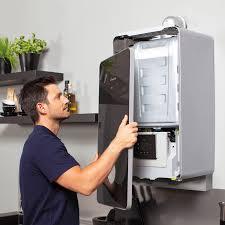
A fire risk assessment in Islington is a systematic process used to identify potential fire hazards, evaluate risks to occupants, and determine appropriate measures to improve fire safety. It is an important part of managing many residential, commercial, and public buildings across the London Borough of Islington.
From offices and shops to flats, houses in multiple occupation, restaurants, and other premises, every building can have different fire risks. A suitable assessment considers the property's layout, how it is used, the number of occupants, existing fire protection systems, and the arrangements in place for evacuation.
What Is a Fire Risk Assessment?
A fire risk assessment in Islington examines a building to determine what could cause a fire and who could be affected if one occurs. It also reviews the precautions already in place and identifies areas where improvements may be required.
A typical assessment may consider:
-
Sources of ignition
-
Combustible materials
-
Electrical installations and equipment
-
Heating systems
-
Cooking facilities
-
Fire detection and alarm systems
-
Emergency lighting
-
Fire doors
-
Escape routes
-
Firefighting equipment
-
Emergency procedures
-
Occupants who may need additional assistance
The objective is not simply to identify hazards but to establish practical measures for reducing fire risk and protecting people.
Why Is Fire Safety Important in Islington?
Islington contains a mixture of historic properties, modern developments, residential buildings, commercial premises, and mixed-use properties. Different buildings can have significantly different construction features and fire safety challenges.
Changes to a property can also affect fire safety. Renovations, changes in occupancy, new equipment, alterations to internal layouts, and changes in how rooms are used can introduce new hazards.
A fire risk assessment provides property owners and responsible persons with a structured way to review these issues and determine whether existing arrangements remain appropriate.
Who Needs a Fire Risk Assessment?
The exact legal responsibilities depend on the type and use of a property. Fire safety requirements can apply to many non-domestic premises and certain residential buildings.
Potentially relevant properties include:
-
Offices
-
Shops
-
Restaurants and cafés
-
Hotels and guest accommodation
-
Warehouses
-
Industrial premises
-
Schools and community buildings
-
Residential blocks
-
Houses in multiple occupation
-
Mixed-use buildings
Landlords, employers, building owners, property managers, and other responsible persons may have fire safety duties depending on the circumstances.
What Does a Fire Risk Assessment Check?
A competent assessment should consider the actual characteristics of the building rather than relying solely on a generic checklist.
Fire Hazards
The assessment identifies possible sources of ignition and combustible materials. Electrical equipment, cooking appliances, heaters, smoking materials, machinery, and storage areas can all contribute to fire risk.
Escape Routes
People need suitable means of escape in an emergency. The assessment considers whether escape routes are accessible, appropriately protected, adequately maintained, and free from unnecessary obstructions.
Fire Doors
Fire doors can help restrict the movement of fire and smoke between different areas. Their condition, closers, seals, frames, and general maintenance may therefore require attention.
Fire Alarms and Detection
The assessment considers whether the fire detection and alarm arrangements are suitable for the building. Systems should be appropriately maintained and tested.
Emergency Lighting
Where required, emergency lighting can assist occupants in finding escape routes if normal lighting fails.
Firefighting Equipment
Fire extinguishers and other equipment should be appropriate for the risks present and positioned where they can be safely accessed.
Emergency Procedures
Occupants should understand what to do if a fire occurs. Procedures may cover raising the alarm, evacuating, contacting emergency services, and reaching an appropriate assembly point.
Who Is the Responsible Person?
For many premises, fire safety legislation places duties on a person or organisation referred to as the responsible person. Depending on the property, this could be an employer, building owner, landlord, occupier, managing agent, or another party with control over the premises.
In buildings involving multiple responsible parties, responsibilities can overlap. It is therefore important that relevant parties understand who is responsible for different aspects of fire safety.
How Often Should a Fire Risk Assessment Be Reviewed?
A fire risk assessment should not simply be completed once and forgotten. It should remain appropriate to the building and its use.
A review may be necessary following:
-
Significant building alterations
-
Changes to the property's use
-
Changes in occupancy
-
Installation of new equipment
-
Changes to fire safety systems
-
Changes affecting escape routes
-
A fire or significant incident
-
Identification of new hazards
The appropriate review frequency depends on the property and circumstances. Regular monitoring helps identify changes before they become serious problems.
What Happens During a Fire Risk Assessment?
The process normally begins with gathering information about the building and its occupants. The assessor then examines relevant areas and considers fire hazards, existing controls, evacuation arrangements, and fire protection measures.
After identifying risks, the assessor determines whether additional precautions are appropriate. Recommendations should be clear and practical so that the responsible person understands what needs to be addressed.
For more complex buildings, the assessment may require consideration of factors such as compartmentation, fire doors, smoke control, evacuation strategies, and the interaction between different fire safety systems.
How Can Property Owners Prepare?
Property owners and managers can make useful information available before an assessment. This may include:
-
Building plans
-
Previous fire risk assessments
-
Fire alarm maintenance records
-
Emergency lighting records
-
Fire door inspection information
-
Fire extinguisher servicing records
-
Details of previous building work
-
Emergency procedures
-
Relevant maintenance documentation
It is also useful to ensure that escape routes are not unnecessarily obstructed and that obvious fire safety defects are reported.
Preparation should not involve hiding hazards. The purpose of an assessment is to identify risks accurately and determine suitable solutions.
How Do You Choose a Fire Risk Assessment Provider?
When arranging a fire risk assessment in Islington, property owners should consider the assessor's experience, qualifications, training, competence, and familiarity with the type of property being assessed.
A small office and a large residential or mixed-use building may require very different levels of expertise.
Before appointing an assessor, it can be useful to ask what the assessment includes, what documentation will be supplied, whether recommendations are prioritised, and whether follow-up support is available.
What Are Common Fire Safety Problems?
Some common issues identified during fire safety reviews include obstructed escape routes, damaged fire doors, inadequate storage arrangements, poorly maintained fire alarms, electrical hazards, insufficient emergency lighting, and unclear evacuation procedures.
The significance of any particular issue depends on the building and its circumstances. A competent assessment should consider how individual hazards interact with the overall fire safety strategy.
Why Is Ongoing Fire Safety Management Important?
Fire safety is an ongoing responsibility. Completing an assessment does not eliminate the need for maintenance, monitoring, staff awareness, resident information, testing, and appropriate record keeping.
Fire alarms need appropriate testing and maintenance. Fire doors should be kept in suitable condition. Escape routes should remain available, and occupants should understand emergency procedures.
A fire risk assessment in Islington is an important part of effective fire safety management. It helps responsible persons understand potential hazards, assess risks to occupants, review existing precautions, and identify areas where improvements may be necessary.
Whether you manage an office, shop, restaurant, residential building, HMO, or mixed-use property, fire safety should be treated as an ongoing responsibility. Regular reviews, suitable maintenance, clear emergency procedures, and competent professional advice where necessary can all contribute to safer premises.
Because legal requirements vary according to the property and circumstances, property owners and managers should use current official fire safety guidance and obtain appropriate professional advice where the building is complex or the risks are significant.
Regular management helps ensure that the recommendations identified during an assessment continue to work in practice.
Frequently Asked Questions
What is a fire risk assessment in Islington?
It is a structured assessment of fire hazards and risks within a property in Islington, together with an evaluation of existing precautions and recommendations for appropriate improvements.
Is a fire risk assessment legally required?
Fire safety legislation places assessment duties on responsible persons for relevant premises. The precise requirements depend on the type, use, occupancy, and circumstances of the property.
Who can carry out a fire risk assessment?
A responsible person may be able to carry out an assessment if they have sufficient competence. More complex premises may require a suitably competent professional with relevant experience.
How much does a fire risk assessment cost in Islington?
There is no single price. Costs depend on factors such as the property's size, complexity, use, occupancy, and the scope of the assessment.
How long does an assessment take?
The duration varies according to the size and complexity of the property. A small premises may take considerably less time to assess than a large or complex building.
Do residential properties need fire risk assessments?
Requirements depend on the type of residential property and applicable responsibilities. Blocks of flats, houses in multiple occupation, and other multi-occupancy buildings can have specific fire safety considerations.
Should a fire risk assessment be updated after renovation?
A review may be appropriate when building work changes the layout, use, escape routes, compartmentation, occupancy, or fire safety systems.
What happens if hazards are found?
The assessment should identify appropriate actions to reduce the risks. These could include improving fire doors, maintaining alarms, clearing escape routes, improving emergency procedures, or addressing other identified issues.
Does a fire risk assessment include fire alarm servicing?
Not necessarily. An assessment evaluates whether suitable fire detection and alarm arrangements are required, while inspection, testing, and servicing can be separate activities.
Can a fire risk assessment guarantee that a building is safe?
No assessment can eliminate every possible risk. Its purpose is to identify hazards, evaluate risks, and establish reasonable and appropriate measures to reduce those risks.

 English
 French
 Spanish
 Portuguese
 Deutsch
 Turkish
 Dutch
Dutch
 Italiano
 Russian
 Romaian
 Portuguese (Brazil)
 Greek
Greek