

Vintage Home Decor 101: How to Style Old Pieces in a Modern Home
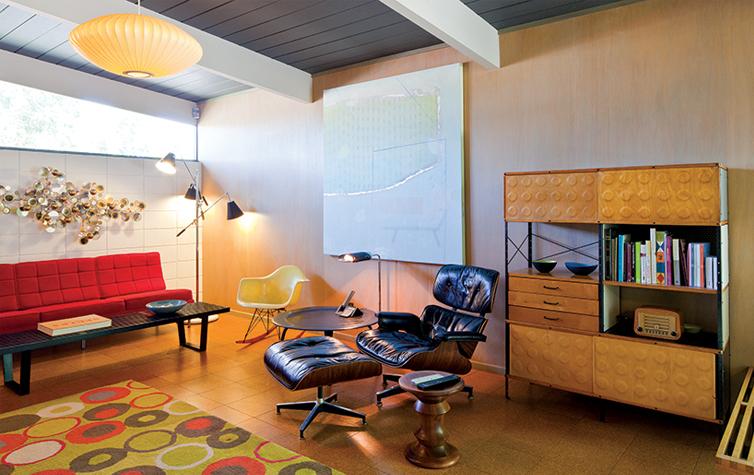
Vintage home decor offers a wonderful way to bring character, warmth, and individuality into a modern living space. While contemporary interiors often emphasize clean lines and simple finishes, vintage furniture and accessories introduce history, texture, and details that make a home feel personal. From antique wooden cabinets to decorative mirrors and classic dining sets, older pieces can complement modern surroundings when selected and arranged thoughtfully. The secret is finding a balance between the charm of the past and the practicality of present-day living. Whether you own family heirlooms or enjoy discovering treasures at flea markets, learning how to style vintage items can help you create a timeless and inviting home.
Understanding the Appeal of Vintage Home Decor
These characteristics add depth and visual interest to contemporary interiors. A weathered wooden chest, an ornate mirror, or a vintage ceramic vase can become a focal point without requiring a complete room makeover. Vintage home decor stands out because every piece can bring a distinctive story, appearance, and sense of history into a room. Unlike mass-produced accessories that often share similar finishes and shapes, older furniture may feature handmade details, natural aging, and construction techniques associated with a particular period. Choosing items that genuinely appeal to you helps create a home that feels collected over time rather than decorated all at once.
Another reason vintage decorating remains popular is its versatility. Older pieces can work with minimalist, Scandinavian, industrial, farmhouse, and contemporary design styles when their colors, proportions, and materials complement the surrounding space. For example, a traditional wooden cabinet can soften a room filled with modern furniture, while an antique brass lamp can introduce warmth to a neutral living area. You do not need to recreate a historical interior to enjoy vintage design. Instead, focus on selecting a few meaningful items that enhance your existing decor and reflect your personal taste.
Vintage furniture can also support a more thoughtful approach to furnishing a home. Buying secondhand pieces gives usable furniture another life and may reduce the need for newly manufactured alternatives. However, sustainability depends on factors such as transportation, restoration, materials, and the item's expected lifespan. Some older pieces require extensive repairs or specialized cleaning, so evaluate their condition before purchasing. By prioritizing useful, well-made items that you genuinely appreciate, you can build an interior that combines character, practicality, and a more considered approach to consumption.
Start With One Statement Vintage Piece
When introducing vintage elements into a modern home, beginning with one statement piece is often the easiest approach. A substantial wooden sideboard, an antique dining table, or a distinctive armchair can establish the room's character without making the space feel crowded. Choose something that fits your available floor area and complements the colors and materials already present. A vintage piece does not need to match every other item in the room to look intentional. Its unique finish, silhouette, or craftsmanship can provide contrast while allowing contemporary furniture to retain its own identity.
Consider the visual weight of the piece before deciding where to place it. Large furniture generally works best when surrounded by enough open space to make its shape and details visible. A vintage cabinet can look striking against a simple wall, while an ornate mirror may become a focal point above a modern console. Avoid positioning several large antique items together unless the room has sufficient space to accommodate them comfortably. Allowing individual pieces room to stand out creates a more balanced interior and prevents vintage decor from overwhelming the modern setting.
Color coordination can help connect a statement vintage item with the rest of your room. If an old cabinet has rich brown wood tones, repeat similar shades through picture frames, cushions, or smaller accessories. For a painted vintage chair, choose a rug or artwork that incorporates a complementary color. You can also balance darker antique finishes with pale walls, natural textiles, and lighter contemporary furniture. These connections make the arrangement feel cohesive while preserving the distinctive character that makes vintage items appealing.
Mix Vintage Furniture With Modern Design
One of the most effective ways to style older furniture is to combine it with contemporary pieces that have simple, clean silhouettes. A traditional wooden dresser can look elegant beside a modern upholstered bed, while an antique coffee table can introduce warmth to a minimalist living room. The contrast between old and new creates visual depth without requiring the entire interior to follow one period or design movement. The key is to identify a common feature, such as color, material, proportion, or finish, that helps the pieces relate to one another.
Mixing different furniture styles works best when you maintain a sense of balance. If your room contains several ornate vintage items, contemporary furniture with restrained details can prevent the overall look from becoming too busy. Conversely, a room dominated by sleek modern furniture may benefit from one or two vintage accessories with intricate craftsmanship. Consider the shapes of individual pieces as well as their colors and materials. Rounded antique furniture can soften a room filled with straight lines, while modern lighting can make traditional furniture feel fresh and current.
Lighting is particularly useful when combining old and new elements. A contemporary pendant light can provide a clean contrast above a vintage dining table, while a classic table lamp can introduce warmth to a modern sideboard. Rugs, artwork, and textiles can also connect different periods by repeating a small selection of colors. Rather than trying to make every item match, focus on creating relationships between selected pieces. This approach produces a layered interior that feels natural, comfortable, and reflective of your personal style.
Style a Vintage Dining Table and Chairs
A vintage dining table and chairs can become the heart of a dining room, adding warmth and character to everyday meals and special gatherings. Older dining furniture often features distinctive wood grain, turned legs, carved details, or craftsmanship that gives it a unique appearance. When paired with contemporary lighting, simple tableware, and understated accessories, these pieces can create a welcoming dining area without feeling old-fashioned. Before purchasing a set, consider the room's dimensions, the number of people you regularly seat, and the amount of space required to move comfortably around the table.
You do not always need a matching vintage dining set to achieve an attractive result. An old wooden table can be paired with modern upholstered chairs, while a collection of vintage chairs can surround a contemporary tabletop. This combination creates contrast and allows you to accommodate different seating preferences. To maintain visual consistency, repeat a shared color or material across the arrangement. For example, natural wood tones can connect different chair styles, while neutral upholstery can soften a darker antique table and make the room feel more balanced.
The surrounding decor should complement the dining furniture rather than compete with it. A simple pendant light, a neutral rug, or a ceramic centerpiece can highlight the table's character without overcrowding the space. A vintage sideboard can provide practical storage for dinnerware while reinforcing the room's collected appearance. Leave enough room on the tabletop for serving dishes and everyday activities, particularly if the table is used frequently. With thoughtful styling, vintage dining furniture can remain both a decorative focal point and a functional part of modern family life.
Use Vintage Accessories to Add Personality
Smaller accessories offer an accessible way to experiment with vintage home decor without investing in large furniture pieces. Antique mirrors, ceramic vases, decorative trays, old picture frames, and classic clocks can introduce character to shelves, consoles, and side tables. These objects are particularly effective when displayed alongside contemporary items with simpler forms. A vintage brass candlestick, for example, can add warmth to a modern dining table, while an old framed print can bring personality to a neutral hallway. Choose accessories that appeal to you individually rather than purchasing items simply because they appear old.
Grouping accessories thoughtfully helps create a more polished appearance. Try arranging objects of different heights, textures, and shapes together while leaving enough open space for each item to remain visible. A vintage vase can sit beside a contemporary sculpture, or a collection of old books can provide a foundation for a small decorative object. Repeating a few colors or materials throughout the room helps connect these groupings. Avoid placing too many small objects on every available surface, as excessive decoration can make even a spacious interior feel cluttered.
Vintage artwork and textiles can also transform a modern room. An older landscape painting, embroidered cushion, patterned rug, or woven blanket can introduce color and texture without changing the main furniture arrangement. When selecting textiles, consider their condition, cleaning requirements, and suitability for daily use. Delicate vintage fabrics may be better displayed in areas with limited handling or sunlight. Combining meaningful accessories with contemporary furnishings allows you to express your taste while keeping the room comfortable and practical.
Choose the Right Colors, Textures, and Materials
Color is one of the easiest ways to make vintage and modern pieces feel connected. Neutral shades such as cream, warm white, beige, and soft gray provide a flexible background for antique furniture and decorative objects. Rich wood tones can introduce warmth, while muted greens, deep blues, rust, and burgundy can add personality. You do not need to reproduce the original color scheme of a historical period to create a convincing vintage-inspired interior. Instead, select a palette that complements your existing furniture and allows important pieces to stand out.
Texture creates another layer of interest, particularly when the room includes a mixture of old and new materials. Weathered wood, aged metal, woven fabrics, smooth glass, and glazed ceramics each have distinctive surface qualities. Pairing these textures with contemporary upholstery, polished stone, or minimalist furniture creates contrast without requiring bold colors. For example, a rough wooden cabinet can look especially appealing against a smooth painted wall, while an antique mirror can reflect light above a simple modern console. These combinations help the room feel layered rather than overly coordinated.
Natural materials are often a reliable foundation for mixing furniture from different periods. Wood, leather, linen, wool, and stone can complement one another when their tones and finishes are chosen carefully. However, different woods do not need to match perfectly to work together. Look for compatible undertones and repeat selected finishes throughout the space. If your vintage furniture has a strong reddish tone, choose nearby materials that complement rather than compete with it. Small connections between colors and textures can create a harmonious result without sacrificing variety.
Care for Vintage Pieces and Avoid Common Decorating Mistakes
Proper care helps preserve the appearance and usefulness of vintage furniture. Before cleaning an older piece, identify its material and finish because traditional varnishes, waxes, veneers, and upholstery may respond differently to cleaning products. Avoid excessive moisture on wood and test any unfamiliar product on an inconspicuous area first. Keep valuable furniture away from prolonged direct sunlight and sources of heat that may cause fading, drying, or movement in certain materials. When a piece has a fragile finish or significant historical value, consulting a qualified restoration professional may be safer than attempting extensive repairs yourself.
One common decorating mistake is filling a room with too many vintage items. Although individual pieces may be attractive, placing several ornate cabinets, patterned rugs, decorative mirrors, and antique accessories together can create visual competition. Begin with a few items that serve a purpose or hold personal meaning, then add more only when the room needs them. Another mistake is ignoring scale, particularly when placing large furniture in a compact space. Measure carefully, maintain comfortable walking routes, and ensure that doors and drawers can open without obstruction.
It is also important to distinguish genuine vintage pieces from modern products designed to look old. Distressed finishes, reproduction hardware, and antique-inspired shapes can create a similar appearance, but they do not establish a piece's age or origin. If authenticity matters to you, research the manufacturer, construction methods, labels, and documented history before making a purchase. Inspect structural condition as well, since older furniture may require repairs that affect its total cost. Whether you choose an authentic antique or a modern reproduction, prioritize quality, suitability, and personal enjoyment.
Conclusion
Vintage home decor allows you to combine history, craftsmanship, and individuality with the simplicity and comfort of modern living. By starting with a statement piece, balancing old and new furniture, and using thoughtful colors and textures, you can create an interior that feels welcoming rather than outdated. A vintage dining table and chairs can establish a memorable focal point, while smaller accessories add personality throughout the home. Careful measurements, appropriate maintenance, and selective decorating help ensure that your chosen pieces remain practical as well as attractive. Ultimately, the most successful vintage-inspired home is one that reflects your personality, makes use of meaningful objects, and brings together different design periods in a natural and harmonious way.

 English
 Arabic
 French
 Spanish
 Portuguese
 Deutsch
 Turkish
 Dutch
Dutch
 Italiano
 Russian
 Romaian
 Greek
Greek
