

Lymphatic Massage and Fluid Balance: Understanding the Basics
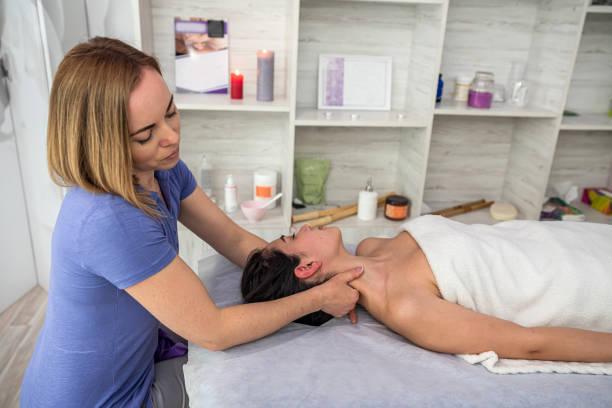
Fluid balance is an essential part of the body's normal functioning, helping tissues receive nutrients while maintaining a healthy distribution of fluids. The lymphatic system plays an important role in this process by collecting excess fluid from tissues and returning it to the bloodstream. For people exploring Lymphatic massage in Riyadh (مساج لمفاوي الرياض), understanding how fluid balance works and how lymphatic massage may help in selected situations can provide a clearer picture of its potential benefits and limitations.
What Is Fluid Balance in the Body?
Fluid balance refers to the way the body regulates the amount and distribution of water and other fluids within tissues, blood vessels, and cells. This process supports circulation, temperature regulation, nutrient transport, and normal organ function.
Fluid continually moves between small blood vessels and surrounding tissues. Much of the excess fluid is collected by lymphatic vessels and transported back toward the bloodstream. When this process is disrupted, fluid may accumulate and cause swelling.
The kidneys, hormones, blood circulation, and lymphatic system all contribute to fluid regulation. Maintaining fluid balance is therefore a complex process rather than the responsibility of a single organ or system.
Understanding the Role of the Lymphatic System
Collecting Excess Tissue Fluid
The lymphatic system consists of a network of vessels, lymph nodes, and specialized organs. Lymphatic vessels collect excess fluid and proteins from tissues, allowing the fluid to travel through the lymphatic network before returning to circulation.
This function helps prevent excessive fluid buildup in healthy tissues. Lymph movement is supported by muscle contractions, breathing, and the activity of lymphatic vessels.
Supporting Immune Function
Lymph nodes contain immune cells that help identify and respond to certain harmful substances. As lymph passes through these nodes, the immune system can monitor its contents and respond when necessary.
Although the lymphatic system contributes to immune function, there is insufficient evidence to claim that routine lymphatic massage boosts immunity in otherwise healthy people.
Transporting Dietary Fats
Specialized lymphatic vessels in the small intestine absorb many dietary fats and fat-soluble nutrients after digestion. These substances travel through lymphatic pathways before entering the bloodstream.
This is another example of how the lymphatic system supports normal body function beyond fluid balance.
What Is Lymphatic Massage?
Lymphatic massage, also known as manual lymphatic drainage, is a specialized technique that uses light, rhythmic movements on the skin to encourage lymph fluid movement through superficial lymphatic vessels.
Unlike deep-tissue massage, it generally involves gentle pressure rather than forceful manipulation. A trained practitioner selects suitable movements based on the person's needs, health history, and treatment goals.
Manual lymphatic drainage may be included in the management of certain conditions, particularly lymphedema, in which impaired lymphatic function causes fluid buildup. However, a healthy lymphatic system usually manages fluid naturally without the need for massage.
How Can Lymphatic Massage Affect Fluid Balance?
Supporting the Management of Certain Types of Swelling
When lymphatic drainage is impaired, fluid may accumulate in tissues and cause persistent swelling. In selected cases, manual lymphatic drainage may help manage this fluid buildup as part of a broader care plan.
Its usefulness depends on the underlying condition, and it is not an appropriate treatment for every cause of swelling. A healthcare professional should assess unexplained or persistent symptoms before massage is considered.
Supporting Selected Postoperative Care Plans
Some patients may be advised to receive lymphatic massage after certain surgical procedures to help manage swelling. However, this should happen only when the treating surgeon confirms that the technique is appropriate.
The timing and method depend on the operation, healing progress, and individual circumstances. Massage cannot guarantee faster healing and should not replace wound care, prescribed medication, or follow-up appointments.
Understanding the Limits of Treatment
Lymphatic massage does not directly burn fat, guarantee weight loss, or remove unspecified toxins. A temporary reduction in swelling is not the same as losing body fat or permanently changing body shape.
For people considering Lymphatic massage in Riyadh, it is important to establish a clear treatment goal and understand that benefits vary according to the reason for treatment.
Factors That Influence Fluid Balance
Several factors can affect how fluid is distributed throughout the body. Sodium intake, hormonal changes, physical activity, circulation, medications, and underlying medical conditions may all influence fluid retention.
Regular movement supports lymph flow through muscle contractions, while prolonged inactivity can reduce this natural assistance. However, persistent swelling may indicate a medical issue that requires more than lifestyle changes.
Maintaining balanced nutrition, following appropriate hydration guidance, and staying physically active within your abilities can support general health. People with medical conditions affecting fluid balance should follow advice from their healthcare team rather than independently changing fluid intake.
Safety Considerations Before Lymphatic Massage
Although manual lymphatic drainage is generally gentle, it is not suitable for everyone. Suspected blood clots, active infections, and certain heart or kidney conditions may require avoidance or medical clearance.
Sudden swelling in one arm or leg, particularly with pain, warmth, or redness, requires prompt medical assessment. Chest pain or shortness of breath requires emergency medical care. Do not attempt to manage these symptoms with massage.
If you have recently undergone surgery or have a diagnosed lymphatic condition, consult your healthcare professional before starting treatment.
Choosing a Suitable Lymphatic Massage Provider
A qualified practitioner should understand lymphatic anatomy, use appropriate techniques, review your medical history, and explain both the potential benefits and limitations of treatment. They should also recognize when swelling requires medical investigation.
When researching Lymphatic massage in Riyadh, look for relevant training, clear communication, appropriate hygiene, and an individualized approach rather than promises of guaranteed results.
Book a Consultation at Royal Clinic Saudia
Understanding fluid balance can help you recognize the lymphatic system's role in normal body function and when professional support may be useful. Royal Clinic Saudia ( عيادات رويال كلينك ) can provide information about available treatment options and help you enquire whether lymphatic massage may suit your individual needs. Contact the clinic to discuss Lymphatic massage in Riyadh, learn about relevant precautions, and explore appropriate next steps based on your circumstances.

 English
 Arabic
 French
 Portuguese
 Deutsch
 Turkish
 Dutch
Dutch
 Italiano
 Russian
 Romaian
 Portuguese (Brazil)
 Greek
Greek
