

Why Low Level Laser Hair Therapy Is Beneficial for Weak and Thinning Hair
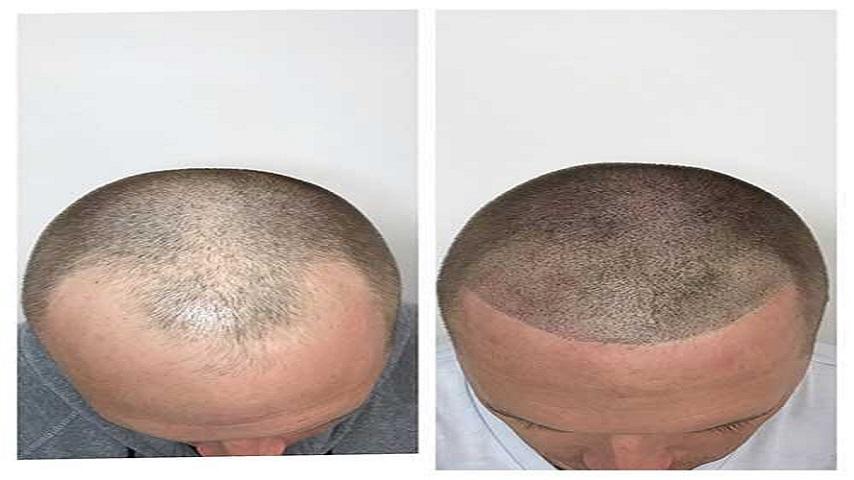
Hair thinning and weakened hair strands are concerns faced by millions of people worldwide. Whether caused by genetics, stress, hormonal changes, nutritional deficiencies, or aging, thinning hair can affect both appearance and confidence. While there are many treatment options available today, Low Level Laser Hair Therapy (LLLT) has emerged as a safe, non-invasive, and scientifically supported solution for individuals seeking to improve hair health and encourage natural hair growth.
Unlike surgical procedures or treatments that involve medications, Low Level Laser Hair Therapy works by stimulating hair follicles using specific wavelengths of light. This innovative approach has gained popularity among individuals looking for a comfortable and effective method to strengthen weak hair and support long-term hair growth.
What Is Low Level Laser Hair Therapy?
Low Level Laser Hair Therapy, commonly known as LLLT, is a treatment that uses low-intensity laser light to stimulate hair follicles and improve scalp health. The therapy delivers light energy directly to the scalp, where it is absorbed by the cells within hair follicles.
The process is painless and does not generate heat or damage surrounding tissues. Instead, the light energy encourages cellular activity, helping follicles function more efficiently and promoting healthier hair growth.
Today, LLLT is widely used by trichologists and hair restoration professionals as part of comprehensive hair loss management programs.
Understanding Weak and Thinning Hair
Hair naturally goes through cycles of growth, rest, and shedding. However, various factors can disrupt this cycle, causing hair follicles to produce thinner and weaker strands over time.
Common causes of weak and thinning hair include:
- Genetic hair loss
- Hormonal imbalances
- Chronic stress
- Poor nutrition
- Aging
- Scalp health issues
- Medical conditions
- Environmental damage
When hair follicles become weakened, they may shrink and produce finer hairs. If left untreated, this process can eventually lead to noticeable hair thinning and reduced hair density.
How Low Level Laser Therapy Works
The effectiveness of LLLT lies in its ability to stimulate cellular activity within hair follicles.
When laser light reaches the scalp, it helps:
- Increase blood circulation around hair follicles
- Deliver more oxygen and nutrients to the roots
- Improve cellular metabolism
- Stimulate dormant follicles
- Support the hair growth phase
- Reduce follicle weakening
These effects create a healthier environment for hair growth and may help improve the quality and thickness of existing hair.
Key Benefits of Low Level Laser Hair Therapy
Encourages Natural Hair Growth
One of the primary advantages of LLLT is its ability to stimulate natural hair growth. By activating weakened follicles, the treatment helps encourage the production of stronger and healthier hair strands.
Strengthens Weak Hair Follicles
Hair follicles that are underperforming may produce thin, fragile hair. Laser therapy supports follicular activity, helping strengthen the roots and improve overall hair quality.
Improves Hair Thickness
Many individuals with thinning hair notice improvements in hair density and strand thickness after undergoing a series of laser therapy sessions.
Enhances Scalp Circulation
Healthy blood flow is essential for nourishing hair follicles. LLLT promotes better circulation, ensuring that follicles receive the nutrients they need for optimal growth.
Non-Invasive and Comfortable
Unlike surgical hair restoration procedures, Low Level Laser Therapy does not involve incisions, injections, or downtime. The treatment is generally comfortable and suitable for individuals seeking a non-surgical solution.
Supports Existing Hair
In addition to stimulating dormant follicles, LLLT helps maintain the health of existing hair by improving the overall scalp environment.
Who Can Benefit from LLLT?
Low Level Laser Hair Therapy may be beneficial for a wide range of individuals experiencing hair concerns.
Individuals with Early Hair Thinning
People who notice gradual thinning or increased hair shedding may benefit from early intervention through laser therapy.
Men and Women with Pattern Hair Loss
LLLT is commonly used as part of treatment plans for androgenetic alopecia, also known as male and female pattern hair loss.
Individuals with Weak Hair Roots
Those experiencing fragile hair, reduced hair volume, or poor hair quality may see improvements in follicle strength and hair texture.
People Seeking Non-Surgical Solutions
For individuals who are not ready for surgical procedures or prefer a non-invasive approach, laser therapy provides a convenient alternative.
The Role of Scalp Health in Treatment Success
A healthy scalp plays a critical role in hair growth. Even the most advanced treatments perform better when the scalp environment is properly maintained.
Combining Low Level Laser Hair Therapy with good scalp care can enhance treatment outcomes. This includes:
- Keeping the scalp clean
- Managing dandruff and scalp inflammation
- Maintaining a balanced diet
- Staying hydrated
- Reducing stress levels
- Following professional hair care recommendations
Addressing underlying scalp issues can help maximize the benefits of laser therapy.
Combining LLLT with Other Hair Treatments
Hair loss often has multiple contributing factors. For this reason, many specialists recommend combining Low Level Laser Hair Therapy with other hair restoration strategies.
Depending on individual needs, treatment plans may include:
- Nutritional support
- Scalp treatments
- Hair growth therapies
- PRP therapy
- Lifestyle modifications
- Personalized hair care routines
A comprehensive approach often delivers the most effective long-term results.
What Results Can Be Expected?
Hair growth takes time, and results vary from person to person. Factors such as age, genetics, follicle health, and the severity of hair loss can influence outcomes.
Many individuals report:
- Reduced hair shedding
- Improved hair texture
- Increased hair thickness
- Better scalp health
- Stronger hair roots
Consistent treatment and regular follow-up with a hair specialist are important for achieving and maintaining optimal results.
Why Professional Evaluation Matters
Not every case of hair thinning is caused by the same issue. Conditions such as nutritional deficiencies, hormonal disorders, scalp infections, and medical conditions may require additional treatment.
A professional trichological assessment can help identify the underlying cause of hair loss and determine whether Low Level Laser Hair Therapy is the most suitable option. Personalized treatment plans ensure that patients receive targeted care based on their specific needs.
Conclusion
Low Level Laser Hair Therapy has become a trusted solution for individuals struggling with weak and thinning hair. By stimulating hair follicles, improving scalp circulation, and supporting cellular activity, LLLT helps create an environment where healthier hair can thrive.
Its non-invasive nature, minimal discomfort, and ability to support natural hair growth make it an attractive option for both men and women seeking effective hair restoration. When combined with proper scalp care and professional guidance, Low Level Laser Hair Therapy can play a valuable role in strengthening hair roots, improving hair density, and promoting long-term hair health.
Top Trichology Doctor in Vadodara for Hair Health Improvement

 English
 Arabic
 Spanish
 Portuguese
 Deutsch
 Turkish
 Dutch
Dutch
 Italiano
 Russian
 Romaian
 Portuguese (Brazil)
 Greek
Greek
