

Rhinoplasty in Dubai: Open vs Closed Surgery
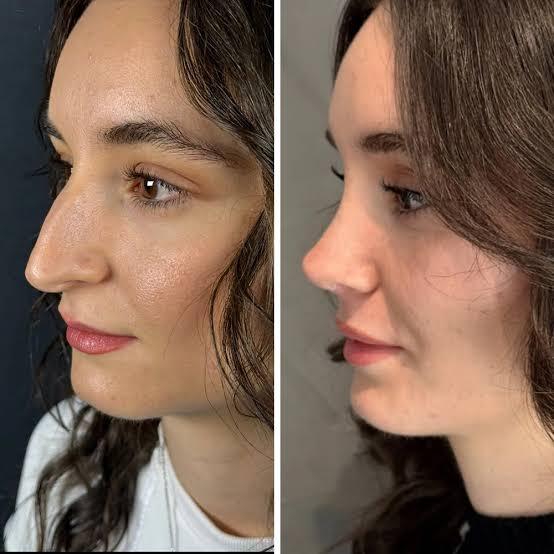
Choosing the right surgical approach is an important part of planning nose reshaping. Rhinoplasty in Dubai (تجميل الأنف في دبي) can be performed using open or closed techniques, depending on the nasal features that need correction and the complexity of the procedure. Both approaches aim to reshape the underlying nasal structures while maintaining appropriate support and function.
The main difference lies in how the internal structures are accessed. Understanding these techniques can help you compare their characteristics, learn about potential limitations, and prepare relevant questions before making a decision.
What Is Open Rhinoplasty?
Open rhinoplasty involves incisions inside the nostrils and a small additional incision across the columella, the strip of tissue between the nostrils. This allows the nasal skin to be lifted so the underlying bone and cartilage can be viewed more directly.
When Is Open Rhinoplasty Considered?
This approach may be useful when extensive reshaping, complex tip adjustments, or correction of significant structural irregularities is required. Direct visibility can help with detailed modifications when the nasal framework needs careful reconstruction.
Open rhinoplasty may also be considered for certain revision procedures, particularly when previous surgery has changed the anatomy or created scar tissue.
Potential Considerations
The small external incision generally heals over time, although its visibility can vary. Swelling may persist during recovery, and the final contours develop gradually. Open access does not automatically mean a better result; its suitability depends on the planned changes and individual anatomy.
What Is Closed Rhinoplasty?
Closed rhinoplasty uses incisions placed entirely inside the nostrils. Because there is no additional incision across the columella, the procedure avoids an external surgical incision.
When Is Closed Rhinoplasty Considered?
The closed approach may be suitable when the required adjustments can be performed through internal access. Depending on the case, these changes may include selected modifications to the bridge or other nasal structures.
The method requires careful planning because the surgeon works through a more limited view of the underlying framework. It may not provide the access needed for every complex correction.
Potential Considerations
Closed rhinoplasty avoids an external columellar incision, but it is still a surgical procedure that involves swelling, bruising, and recovery. It should not automatically be considered easier or safer than open rhinoplasty because the outcome depends on the complexity of the work and the individual's anatomy.
Open vs Closed Rhinoplasty: Key Differences
The most noticeable distinction is the method of access. Open rhinoplasty provides a direct view of the nasal framework, which may be useful for complex structural adjustments. Closed rhinoplasty uses internal incisions and may be appropriate for selected changes that can be performed without external access.
Neither method is universally superior. The appropriate technique depends on the desired correction, the condition of the cartilage and bone, skin characteristics, and whether the person has undergone previous nasal surgery.
Recovery also varies. Although the incision pattern can influence early healing, the extent of reshaping often has a greater effect on swelling and the overall recovery timeline.
Which Technique Is Better for Nose Tip Refinement?
The nasal tip is supported by cartilage that determines its shape, projection, and definition. When a person wants to change a rounded or asymmetrical tip, the required adjustments depend on the cartilage structure and surrounding skin.
Open rhinoplasty may provide greater visibility when detailed cartilage reshaping is needed. Closed rhinoplasty can be appropriate for selected tip modifications when the necessary access and precision can be achieved internally.
Skin thickness also influences the result. Thicker skin may limit visible definition, while thinner skin can make small irregularities more noticeable. The surgical approach should account for these factors rather than relying on a preferred technique alone.
Can Both Techniques Address a Nasal Hump?
A prominent nasal hump consists of bone, cartilage, or a combination of both. In suitable cases, either open or closed rhinoplasty may be used to reshape the bridge.
The choice depends on the amount of correction required, the structure of the nose, and whether other adjustments are needed to maintain a balanced profile. Reshaping the hump may also affect the width or stability of the nasal framework, so the treatment plan should consider the overall structure rather than the bump alone.
Recovery After Open and Closed Rhinoplasty
Both approaches require time for swelling to decrease and the nasal tissues to heal. During the early period, bruising, tenderness, congestion, and changes in the appearance of the nose are common.
Many people notice improvements in swelling over the first several weeks. However, subtle swelling can persist for months, particularly around the tip, and the final result may take a year or longer to develop.
Following aftercare instructions, protecting the nose from accidental impact, avoiding strenuous activities until cleared, and attending follow-up appointments are important regardless of the technique used.
Risks and Limitations of Both Approaches
Open and closed rhinoplasty carry potential risks, including bleeding, infection, scarring, persistent swelling, asymmetry, breathing difficulties, changes in sensation, and dissatisfaction with the outcome. Revision surgery may occasionally be required.
Neither approach can guarantee a perfectly symmetrical nose or a particular appearance. Existing anatomy, previous injuries, cartilage strength, and individual healing all influence the outcome. Understanding these limitations helps establish realistic expectations before surgery.
Choosing an Approach for Rhinoplasty in Dubai
The choice between open and closed rhinoplasty should be based on the correction required rather than the assumption that one technique is always better. A clear treatment plan should explain the proposed approach, expected changes, potential risks, functional considerations, and recovery requirements.
For people researching rhinoplasty in Dubai, TAJMEELS DUBAI عيادة تجميل can be part of the process of exploring available information and understanding possible next steps. Learning about both surgical approaches can help you ask informed questions and make a decision that reflects your individual goals and nasal structure.

 Arabic
 French
 Spanish
 Portuguese
 Deutsch
 Turkish
 Dutch
 Italiano
 Russian
 Romaian
 Portuguese (Brazil)
 Greek
