

Rhinoplasty in Islamabad for a Long Nose: Surgical Options and Expected Outcomes
Introduction
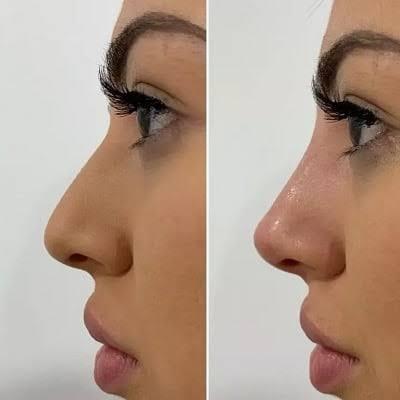
A long nose can influence overall facial proportions, particularly when the nasal tip extends farther than desired or the bridge and tip appear disproportionate to other facial features. For individuals seeking a more balanced facial profile, rhinoplasty offers a surgical option to refine nasal length, reshape the tip, and improve facial harmony.
Rhinoplasty in Islamabad for a long nose is a cosmetic procedure that may involve modifying the nasal cartilage, supporting structures, and, in selected cases, bone to achieve a more proportionate appearance. The surgical plan depends on nasal anatomy, skin thickness, facial proportions, breathing function, and the patient's aesthetic goals.
Choosing an experienced surgeon is essential because reducing the apparent length of the nose requires more than simply removing tissue. The nose must retain adequate structural support and function while achieving a natural-looking result. Understanding the available surgical techniques, recovery process, and realistic outcomes helps patients make informed decisions.
What Is Rhinoplasty for a Long Nose?
Rhinoplasty for a long nose is a specialized approach to nose reshaping that focuses on improving the relationship between nasal length, projection, tip position, and the rest of the face.
A nose may appear long for several reasons, including:
-
Excessive nasal tip projection: The tip extends farther from the face than desired.
-
An elongated nasal tip: The lower portion of the nose creates an extended appearance.
-
Drooping nasal tip: The tip points downward, making the nose appear longer, particularly when smiling.
-
Excessive cartilage length: The underlying cartilage contributes to an elongated nasal shape.
-
Facial proportion differences: The nose may appear long relative to the forehead, lips, or chin.
A qualified rhinoplasty surgeon assesses these factors before recommending treatment. The objective is to create a balanced appearance without compromising nasal breathing or structural stability.
Surgical Options for a Long Nose
The appropriate rhinoplasty technique depends on the underlying cause of the elongated appearance. Not every patient requires the same surgical changes.
1. Nasal Tip Refinement
Tip refinement is suitable for patients whose nasal tip appears excessively long, broad, or poorly defined. The surgeon may reshape selected cartilage structures to improve the tip's contour and position.
Potential benefits include:
-
Improved definition of the nasal tip.
-
Better balance between the tip and nasal bridge.
-
A more proportionate appearance from the front and side.
-
Improved harmony between the nose and surrounding facial features.
The surgeon must preserve sufficient cartilage support to reduce the risk of tip weakness, asymmetry, or breathing problems.
2. Tip Rotation and Projection Adjustment
In some patients, a downward-pointing or excessively projecting nasal tip makes the nose appear longer than it is structurally.
A surgeon may adjust the position and support of the tip to create a more balanced profile. Tip rotation changes the direction in which the tip points, while projection adjustment changes how far it extends from the face.
These modifications must be carefully planned because excessive rotation or reduction can produce an unnatural appearance. The goal is to achieve proportions that complement the patient's facial anatomy.
3. Cartilage Reshaping
Cartilage reshaping may be necessary when the lower nasal structures contribute to excessive length or projection.
Depending on the patient's anatomy, the surgeon may modify selected cartilage segments and use structural sutures or grafts to maintain appropriate support.
Cartilage reshaping can help refine nasal proportions, but the technique must be individualized. Removing too much cartilage may weaken the nose and increase the risk of contour irregularities or functional complications.
4. Open Rhinoplasty
Open rhinoplasty involves a small incision across the columella, the tissue separating the nostrils, along with internal incisions. This approach allows the surgeon to lift the nasal skin and directly assess the underlying structures.
It may be useful for patients who require complex tip reshaping, substantial structural adjustments, or precise reconstruction.
Advantages include:
-
Direct visualization of nasal cartilage and supporting structures.
-
Greater access for complex reshaping.
-
The ability to perform detailed structural modifications.
The incision generally heals over time, although scar visibility and healing vary between individuals.
5. Closed Rhinoplasty
Closed rhinoplasty involves incisions inside the nostrils, so there is no external columellar incision.
It may be appropriate when the required changes can be achieved through an internal approach. However, its suitability depends on the complexity of the case and the surgeon's assessment.
Neither open nor closed rhinoplasty is universally better. The correct approach is the one that allows the surgeon to achieve the planned result safely and predictably.
Expected Results of Rhinoplasty for a Long Nose
The main objective of surgery is to improve nasal proportions while preserving a natural appearance and healthy nasal function.
Depending on the surgical plan, expected improvements may include:
-
A less elongated-looking nasal profile.
-
Better-defined nasal tip contours.
-
Improved balance between the bridge and tip.
-
More harmonious facial proportions.
-
Correction of selected structural irregularities.
-
Improved breathing when a functional problem is also appropriately treated.
Results vary according to the patient's anatomy, skin thickness, healing response, surgical technique, and the extent of correction.
Patients with thick nasal skin may experience slower definition of the tip, while those with thin skin may show minor irregularities more readily. A surgeon should explain these factors before the procedure.
It is important to understand that rhinoplasty cannot guarantee perfect symmetry. The aim is a proportionate, functional nose that suits the individual's face.
Rhinoplasty Procedure: Step-by-Step
Understanding the surgical process can help patients prepare for treatment.
Step 1: Consultation and examination
The surgeon reviews medical history, previous nasal procedures, breathing concerns, and aesthetic goals. A physical examination assesses nasal structure, skin thickness, cartilage support, and facial proportions.
Step 2: Surgical planning
The surgeon recommends an appropriate technique and discusses the expected changes, limitations, risks, and recovery requirements. Photographs may help support treatment planning.
Step 3: Surgery
Rhinoplasty is generally performed under anesthesia in an appropriate surgical facility. Depending on the planned correction, the surgeon reshapes selected cartilage and, when necessary, nasal bone while maintaining structural support.
Step 4: Initial recovery
A splint may be placed to support and protect the nose. Temporary swelling, bruising, congestion, and tenderness are common during early recovery.
Step 5: Follow-up appointments
Follow-up visits allow the surgeon to monitor healing, assess nasal function, and identify complications if they occur.
Recovery After Rhinoplasty
Recovery time varies depending on the surgical technique and the extent of reshaping.
-
First week: Swelling and bruising are usually most noticeable. A nasal splint may be removed around the end of the first week, depending on the surgeon's instructions.
-
Weeks two to four: Many patients experience a substantial reduction in visible bruising and swelling, although the nose may still feel tender.
-
First three months: The shape gradually becomes clearer as swelling continues to decrease.
-
Six to twelve months or longer: Subtle swelling, especially around the nasal tip, may continue to resolve. Final definition can take a year or longer in some patients.
Patients should follow their surgeon's instructions regarding exercise, sleeping position, nose care, and return to normal activities. Contact sports and activities that risk nasal injury should be avoided until the surgeon confirms they are safe.
Risks and Safety Considerations
Rhinoplasty is a surgical procedure and carries potential risks. These may include bleeding, infection, anesthesia-related complications, scarring, persistent swelling, asymmetry, changes in sensation, breathing difficulties, or dissatisfaction with the cosmetic result. Revision surgery may sometimes be necessary.
Patients can support safer decision-making by:
-
Choosing a suitably qualified and experienced rhinoplasty surgeon.
-
Disclosing medical conditions, allergies, medications, and previous surgeries.
-
Understanding the limitations of the proposed correction.
-
Following preoperative and postoperative instructions.
-
Attending all recommended follow-up appointments.
A responsible surgeon should explain the benefits and risks clearly rather than promise a perfect result.
Rhinoplasty Cost in Islamabad
The cost of rhinoplasty in Islamabad varies according to the complexity of the procedure, surgeon's experience, anesthesia, facility charges, and postoperative care.
Factors that may influence the total cost include:
-
Whether the procedure involves tip refinement or more extensive nasal reshaping.
-
Whether functional correction is required alongside cosmetic changes.
-
Whether the patient is undergoing primary or revision rhinoplasty.
-
The type of surgical facility and anesthesia services.
-
Follow-up appointments and other included services.
Patients should request a personalized quotation after an in-person assessment. Comparing clinics solely by price is not advisable; surgical qualifications, safety standards, and the quality of postoperative care are equally important.
Choosing a Clinic for Rhinoplasty in Islamabad
Selecting the right clinic and surgeon is an important step toward achieving safe, realistic results.
Dynamic Aesthetic Clinic in Islamabad is an option patients may consider contacting to inquire about rhinoplasty consultations, available surgical services, and treatment planning. Before proceeding, confirm the qualifications of the surgeon who will perform the operation, their experience with long-nose correction, the surgical facility arrangements, and the availability of postoperative follow-up.
During a consultation, ask:
-
What is causing my nose to appear long?
-
Which surgical technique is appropriate for my anatomy?
-
How will the procedure affect nasal breathing?
-
What results are realistic for my facial proportions?
-
What is included in the total treatment cost?
A detailed assessment helps ensure that the treatment plan reflects the patient's needs rather than following a standard approach for every nose.
Frequently Asked Questions
1. Can rhinoplasty shorten a long nose?
Yes, surgery can reduce the appearance of nasal length in suitable patients.
2. Is open rhinoplasty better for a long nose?
It depends on the anatomy and complexity of the required correction.
3. How long does recovery take?
Initial recovery often takes one to two weeks, while final results may take a year or longer.
4. Is rhinoplasty permanent?
Surgical changes are generally long-lasting, although aging and natural tissue changes continue.
5. How much does rhinoplasty cost in Islamabad?
The cost depends on the surgeon, surgical technique, facility, and complexity of treatment.
Conclusion
Rhinoplasty in Islamabad for a long nose can help improve facial proportions through carefully planned nasal tip refinement, projection adjustment, cartilage reshaping, or other appropriate surgical techniques. The best approach depends on the anatomical reason the nose appears long and whether any functional concerns also need treatment.
Although surgery can create long-lasting improvements, results depend on individual anatomy, healing, and surgical planning. Patients should seek a thorough consultation with a qualified surgeon, understand the potential risks, and maintain realistic expectations.
When considering Dynamic Aesthetic Clinic in Islamabad, verify the surgeon's credentials, experience, facility arrangements, and follow-up care before making a decision. Prioritizing both nasal function and facial harmony is essential for a balanced and satisfactory outcome.

 English
 Arabic
 French
 Spanish
 Portuguese
 Deutsch
 Turkish
 Dutch
 Italiano
 Russian
 Portuguese (Brazil)
 Greek
