

Hair Transplant in Dubai for Fuller Hair
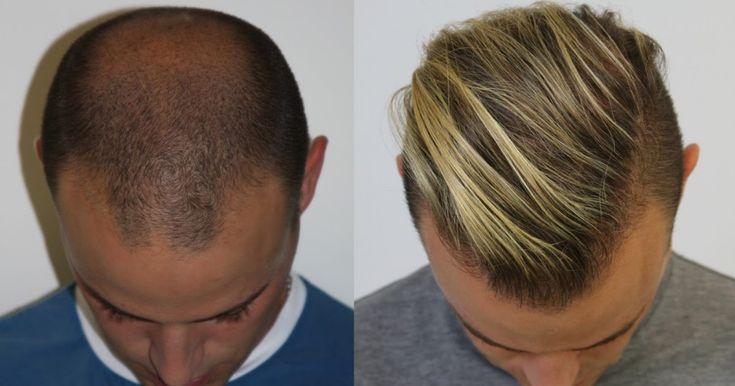
Hair that once appeared thick and easy to style may gradually become thinner, leaving the scalp more visible and reducing overall volume. This change can affect the hairline, crown, or larger areas across the top of the head. For people experiencing persistent hair loss, restoration options may help improve coverage and create a fuller-looking appearance.
Hair transplant in Dubai (زراعة الشعر في دبي) involves moving suitable hair follicles from a donor area to regions affected by thinning. Rather than producing new follicles, the procedure redistributes existing ones to improve the balance of hair across the scalp. The final appearance depends on donor hair quality, the size of the affected area, and the way the grafts are positioned.
What Makes Hair Look Fuller?
Hair fullness is influenced by more than the number of strands on the scalp. Hair thickness, texture, colour, curl pattern, and the contrast between the hair and scalp all affect how dense the hair appears.
For example, thicker strands may provide greater visual coverage than finer strands, even when the number of follicles is similar. Curly or wavy hair can also create the impression of additional volume because the strands occupy more space.
These characteristics are important when planning hair restoration. A realistic treatment approach considers the individual's natural hair rather than aiming for an identical density across every part of the scalp.
How Graft Placement Influences Hair Density
A hair transplant uses grafts containing one or more follicles. Their placement determines how the transplanted hair is distributed across the recipient area.
Creating Balanced Coverage
The frontal hairline often needs a softer transition, while the areas behind it may require more concentrated coverage. The crown presents a different challenge because hair usually grows in a circular pattern.
Careful distribution helps the transplanted area blend with surrounding hair. The number of grafts required depends on the size of the thinning region, the existing density, and the characteristics of the donor hair.
Making the Most of Donor Hair
The back and sides of the scalp often provide follicles suitable for transplantation. However, the available supply is limited. Extracting too many follicles from the donor region can reduce its density and create an uneven appearance.
A sensible plan balances the immediate goal of improving coverage with the possibility of future hair loss. This is particularly important for individuals who have extensive thinning or are likely to experience further progression.
Which Hair Transplant Method Can Improve Coverage?
Two established methods are Follicular Unit Extraction (FUE) and Follicular Unit Transplantation (FUT).
FUE involves extracting individual follicular units before implanting them into the recipient area. It avoids a long linear scar, although small extraction scars may remain. It can be suitable for people who prefer shorter hairstyles, depending on their donor characteristics.
FUT involves removing a strip of scalp and separating it into individual grafts. It leaves a linear scar and may be appropriate for selected individuals depending on their graft requirements and scalp characteristics.
Both techniques can improve hair coverage when appropriately planned. The best choice depends on the extent of hair loss, donor availability, personal preferences, and the overall restoration strategy.
Who May Benefit From Fuller Hair Restoration?
People experiencing hereditary pattern hair loss, a receding hairline, or thinning around the crown may be candidates if they have sufficient suitable donor hair.
However, not all hair thinning should be treated with transplantation. Sudden shedding, active scalp inflammation, and hair loss caused by certain medical conditions may require further assessment first. Identifying the underlying cause helps determine whether a transplant is appropriate or whether another treatment would be more suitable.
Realistic expectations are also important. The amount of fullness achievable varies, and restoring the original density may not be possible when donor hair is limited.
What Happens During Recovery?
After treatment, the scalp may show redness, small scabs, tenderness, or mild swelling. These effects generally improve as healing progresses. Following washing instructions and avoiding scratching or rubbing the treated area help protect the newly implanted grafts.
Temporary shedding of transplanted hair commonly occurs during the first few weeks. This does not necessarily indicate failure because the follicles may remain in the scalp while they enter a resting phase.
New growth often begins to appear around three to four months after treatment. Coverage typically improves over the following six to twelve months, although some results continue to mature for twelve to eighteen months.
Maintaining Fuller-Looking Hair Over Time
Transplanted follicles may provide lasting growth, but hair loss can continue in untreated areas. This means the surrounding natural hair may become thinner even after the transplanted area has matured.
Depending on the cause of hair loss, appropriate medical treatments may help maintain existing strands. Gentle scalp care, suitable hair-washing habits, and following recommended aftercare instructions can also support long-term hair management.
A balanced diet contributes to general health, while addressing a confirmed nutritional deficiency may help when it is contributing to hair loss. However, no diet or supplement can guarantee a particular transplant result.
Common Factors That Affect the Final Appearance
The final result depends on donor hair density, follicle survival, graft placement, hair texture, and the size of the recipient area. The contrast between hair and scalp can also influence how much coverage is visible.
The direction of growth matters just as much as density. Hair placed at inappropriate angles may be difficult to style and can look less natural. Thoughtful planning helps create a result that works with the existing hair pattern.
Allowing sufficient time for growth is equally important. Hair restoration develops gradually, so judging the outcome too early may lead to unrealistic conclusions about the final level of fullness.
Conclusion
Fuller-looking hair depends on suitable donor follicles, careful graft distribution, natural growth direction, and a realistic understanding of what transplantation can achieve. Hair transplant in Dubai may help eligible individuals improve coverage in thinning areas while maintaining a balanced appearance. Recovery takes time, and long-term hair management may be necessary as existing hair continues to change. TAJMEELS DUBAI عيادة تجميل offers an opportunity to explore hair restoration options and learn about approaches to achieving fuller-looking hair.

 Arabic
 French
 Spanish
 Portuguese
 Deutsch
 Turkish
 Dutch
 Italiano
 Russian
 Romaian
 Portuguese (Brazil)
 Greek
