

Stump Removal and Dead Tree Removal: A Complete Guide to a Safer, Cleaner Yard
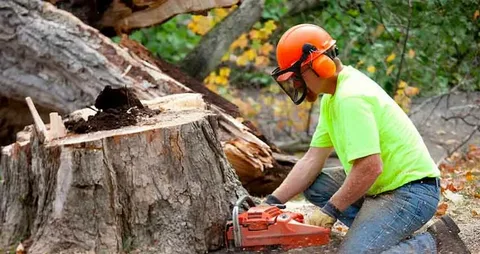
A beautiful, well-maintained yard adds value to a property, improves outdoor living, and creates a welcoming environment for family members and visitors. However, old tree stumps, damaged trees, and dead branches can make an outdoor space look neglected while creating potential safety concerns. Addressing these problems promptly helps homeowners maintain a cleaner landscape and protect nearby structures, gardens, and outdoor features.
Professional Stump Removal Service solutions help property owners eliminate unwanted tree stumps, reclaim usable yard space, and improve the appearance of their landscapes. Similarly, removing dead or severely damaged trees can reduce the risk of falling limbs and other hazards, especially during storms and periods of strong winds.
Understanding when to remove a stump, how dead trees should be handled, and why professional equipment matters can help you make informed decisions about your property. Whether you are maintaining a residential lawn, preparing land for a landscaping project, or managing a commercial property, proper tree care can make a noticeable difference.
Why Tree Stumps Should Not Be Ignored
After a tree is cut down, the remaining stump may seem harmless. Over time, however, it can become an obstacle that affects the appearance, usability, and maintenance of your yard.
One of the most common problems is restricted outdoor space. A stump in the middle of a lawn can interfere with mowing, landscaping, gardening, and other outdoor activities. Children playing in the yard or guests walking through the area may also trip over exposed roots or uneven ground.
Tree stumps can also create conditions that attract certain insects and other organisms as the wood begins to decay. Depending on the tree species and surrounding conditions, decaying wood may attract termites, carpenter ants, or other wood-associated pests. Although a stump does not automatically cause a pest infestation, removing unwanted decaying wood can help reduce potential habitat.
Another consideration is the development of new shoots. Some tree species can produce fresh growth from the remaining stump or roots, creating additional maintenance work. Repeatedly cutting these shoots may not solve the underlying problem.
Removing the stump allows homeowners to restore the affected area and plan new landscaping more effectively.
What Does Professional Stump Removal Involve?
Professional stump removal focuses on eliminating an unwanted tree stump and addressing the immediate surrounding area. The appropriate method depends on the stump's size, tree species, root structure, soil conditions, and proximity to buildings or underground utilities.
Stump Grinding
Stump grinding is a common method used by tree care professionals. A specialized machine equipped with a cutting wheel gradually reduces the stump into small wood chips.
The equipment grinds the stump below the surrounding soil level, creating space for lawn restoration or future landscaping. Grinding depth varies according to the intended use of the area and site conditions.
This method is often suitable for residential properties because it generally requires less excavation than removing the entire root system.
Complete Stump Extraction
Complete stump extraction involves removing the stump and, when practical, a substantial portion of its root system. This approach may be appropriate when preparing a site for construction, installing certain structures, or undertaking extensive landscaping.
However, extraction can disturb a larger area of soil and may require heavier machinery. Large roots may also extend beneath driveways, foundations, fences, or other structures, making complete removal more complicated.
A qualified professional can evaluate the site and recommend the most appropriate method.
Choosing the Right Approach
Before selecting a removal method, consider how you intend to use the area afterward. A lawn restoration project may only require grinding below grade, while a construction project may require additional excavation and root removal.
An experienced contractor can explain the advantages and limitations of each option so you can choose a solution that meets your property's needs.
Understanding the Importance of Dead Tree Removal
Dead trees are not always immediately dangerous, but their structural condition can deteriorate over time. As wood dries, decays, or becomes damaged, branches and sections of the trunk may lose strength.
A tree that appears stable during calm weather could become hazardous during heavy rain, strong winds, or storms. The level of risk depends on the tree's condition, location, size, and surrounding environment.
Professional Dead Tree Removal helps property owners address trees that are dead, severely compromised, or no longer safe to retain.
Warning Signs of a Dead or Dying Tree
Recognizing potential tree problems early can help you arrange an appropriate assessment.
Common warning signs include:
-
Extensive dead branches throughout the canopy.
-
Large areas of missing leaves during the growing season.
-
Deep cracks or splits in the trunk.
-
Significant trunk decay or hollow sections.
-
Fungal growth around the trunk base or major roots.
-
Large sections of loose or peeling bark.
-
A tree that has started leaning unexpectedly.
-
Broken limbs hanging above walkways, driveways, or buildings.
These symptoms do not always confirm that a tree is dead. Some living trees experience seasonal leaf loss, disease, drought stress, or temporary damage. A qualified arborist can evaluate the tree and determine whether treatment, pruning, monitoring, or removal is appropriate.
Why Dead Trees Can Become Dangerous
Dead branches may fall without warning, potentially damaging vehicles, roofs, fences, and outdoor equipment. Trees with compromised root systems or weakened trunks may also become unstable.
The consequences can be more serious when a tree stands close to a home, sidewalk, parking area, or frequently used outdoor space.
Removing a hazardous tree before its condition worsens can help reduce these risks. However, not every dead tree requires immediate removal. Trees located in suitable natural areas may provide wildlife habitat, provided they do not create unacceptable hazards.
How Stump Removal and Dead Tree Removal Work Together
Tree removal and stump removal address different parts of a property maintenance project. Removing a dead tree eliminates the standing tree, while grinding or extracting the remaining stump helps restore the ground beneath it.
Combining these services can make property improvements more efficient.
For example, a homeowner may need to remove a dead tree that threatens a garage. Once the tree has been safely dismantled, the remaining stump can be ground down to prepare the area for grass, decorative plants, or another landscaping feature.
This coordinated approach may also reduce the need to schedule separate contractors and equipment visits.
Professional Stump Removal Service providers can assess the stump after tree removal and explain what additional work is needed to prepare the site for its next use.
Benefits of Hiring Experienced Tree Care Professionals
Tree and stump removal can involve heavy equipment, sharp cutting tools, suspended branches, and unpredictable structural conditions. Attempting complicated work without proper training can expose property owners to serious injuries and property damage.
Hiring an experienced contractor offers several practical benefits.
Improved Property Safety
Professionals assess access points, surrounding structures, overhead obstacles, and potential hazards before beginning work. They can develop a plan that accounts for the tree's condition and the available working space.
Appropriate Equipment
Different jobs require different tools. Compact grinding machines may suit restricted residential yards, while larger equipment may be necessary for substantial stumps or extensive projects.
Using appropriate equipment can improve efficiency and help limit unnecessary disturbance to the surrounding landscape.
Protection for Nearby Structures
Tree roots can extend near foundations, underground pipes, driveways, fences, and utility lines. Contractors must consider these features before grinding or excavating.
Before work begins, homeowners should identify known underground utilities and arrange required utility locating services. Contractors should also evaluate overhead hazards and access restrictions.
Cleaner Landscaping Results
After grinding, the resulting wood chips and soil can be managed according to the planned restoration work. Depending on the site, the area may require additional topsoil, grading, seeding, or planting.
Professional guidance helps ensure that the finished area is suitable for its intended purpose.
Factors That Affect the Cost of Tree and Stump Removal
The cost of removing a stump or dead tree varies according to the project's complexity. Requesting an on-site assessment can help you understand the expected price and identify any additional work.
Several factors commonly influence the estimate:
Tree or stump size: Larger trees and wider stumps generally require more time, labor, or equipment.
Location and accessibility: Trees in narrow side yards or near buildings may require more careful work than trees in open spaces.
Condition of the tree: Dead trees with extensive decay or unstable branches may require specialized removal techniques.
Root structure: Large roots or roots close to underground infrastructure can make removal more complicated.
Cleanup requirements: Hauling away wood, branches, and grinding debris may increase the total project cost.
Site restoration: Replacing soil, leveling the ground, or repairing damaged lawn areas may be priced separately.
When comparing estimates, ask whether the quoted price includes debris removal, stump grinding, disposal, and basic cleanup. A clear written estimate makes it easier to compare contractors fairly.
Preparing Your Yard for a Removal Project
A little preparation can help the contractor complete the work more efficiently.
Start by identifying the tree or stump that needs attention. Explain whether you want to restore a lawn, install a patio, create a garden bed, or prepare the area for construction.
Move vehicles, outdoor furniture, children's toys, and other portable objects away from the work zone. Keep children and pets at a safe distance while equipment is operating.
Inform the contractor about known irrigation lines, drainage systems, underground cables, and other features that could affect the project. Underground utilities should be located through the appropriate local service before excavation or grinding begins.
You should also discuss whether the contractor will remove the wood chips and branches or leave selected materials for your landscaping plans.
Clear communication helps prevent misunderstandings and supports a smoother project from beginning to end.
How to Choose a Reliable Tree Removal Contractor
Selecting the right contractor is an important part of protecting your property. Look for a company with relevant experience, appropriate equipment, and a clear approach to safety.
Ask whether the contractor carries suitable liability insurance and workers' compensation coverage where applicable. Verify licensing or registration requirements in your area and request written documentation when appropriate.
You can also review customer feedback, ask for references, and request photographs of comparable completed projects.
Before agreeing to the work, confirm the scope of service, estimated timeline, cleanup arrangements, and payment terms. Ask how the contractor will manage potential damage to lawns, fences, landscaping, or nearby structures.
Be cautious of unusually low estimates that do not explain the work included. A professional company should be willing to answer questions and describe the proposed removal process in understandable terms.
Maintaining Your Landscape After Removal
Once a stump or dead tree has been removed, the next step is deciding how to improve the area.
For lawn restoration, remove excess wood chips if necessary, add suitable topsoil, and level the ground. Depending on the season and local climate, you may choose grass seed, sod, or another appropriate ground cover.
For a garden project, select plants suited to the site's sunlight, soil, drainage, and available space. If a large tree was removed, remember that the area may receive substantially more sunlight than before.
Avoid planting a replacement tree directly into a large mass of fresh stump grindings. Wood chips can settle as they decompose and may affect the soil conditions around new roots. A landscape professional can recommend suitable planting locations and soil preparation.
Regularly inspect the remaining trees on your property for broken branches, changes in their condition, or signs of instability. Routine maintenance can help you identify potential concerns before they become more serious.
Frequently Asked Questions
1. How long does stump removal take?
Many small or medium stumps can be ground in a relatively short period, sometimes within an hour. Larger stumps, difficult access, extensive roots, or complicated site conditions may require considerably more time.
2. Is stump grinding better than complete stump removal?
The best option depends on your plans for the area. Grinding is often suitable for lawn restoration and general landscaping, while complete extraction may be preferable for certain construction or excavation projects.
3. Can a dead tree be left standing?
Some dead trees can remain in appropriate natural areas when they do not threaten people or property. However, trees near homes, roads, sidewalks, or frequently used spaces should be assessed for potential hazards.
4. Will removing a stump damage my lawn?
Stump grinding can disturb the soil and vegetation immediately around the stump. A professional can use suitable equipment and recommend restoration measures to minimize the impact and prepare the area for new grass or landscaping.
5. What happens to the wood chips after grinding?
Wood chips can be removed, used as landscape mulch where appropriate, or managed as part of the restoration plan. The best option depends on the intended use of the area and the condition of the material.

 English
 Arabic
 French
 Portuguese
 Deutsch
 Turkish
 Dutch
 Italiano
 Russian
 Romaian
 Portuguese (Brazil)
 Greek
