

How to Choose Desiccator Cabinets for Humidity-Sensitive Materials?
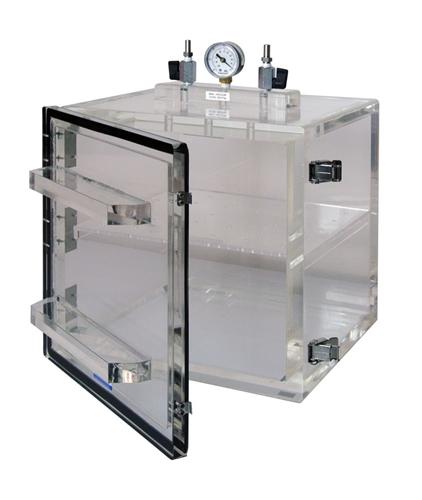
When you work with humidity-sensitive materials, maintaining a dry and stable storage environment is essential for protecting sample quality, product integrity, and experimental accuracy. Moisture exposure can affect chemicals, electronic components, laboratory reagents, powders, and other materials that require controlled storage conditions. Choosing the right desiccator cabinet helps you minimize these risks while keeping your materials organized and accessible.
However, not every cabinet offers the same moisture protection, storage capacity, or environmental control. To make the right decision, you need to consider the sensitivity of your materials, humidity requirements, cabinet design, and daily laboratory workflow. This guide explains how to evaluate these factors so you can select a desiccator cabinet that suits your application.
Identify Your Materials and Moisture-Control Requirements
Start by understanding what you plan to store. Different materials respond to moisture in different ways, so your storage requirements should guide your equipment selection.
For example, hygroscopic chemicals can absorb moisture from the surrounding air, while sensitive electronic components may be damaged by excessive humidity. Certain laboratory reagents, reference samples, and powders may also require a controlled dry environment to maintain their intended properties.
Before selecting a cabinet, ask yourself:
· What materials will you store?
· How sensitive are they to moisture exposure?
· What relative humidity range do you need to maintain?
· How frequently will you open the cabinet?
· Do you need short-term storage or long-term protection?
Check manufacturer recommendations, safety data sheets, and relevant laboratory procedures to establish your humidity limits. These details help you avoid purchasing a cabinet that provides insufficient protection or unnecessary features.
Choose the Right Type of Desiccator Cabinet
Desiccator cabinets use different methods to reduce moisture inside the storage chamber. Understanding these options helps you match the cabinet to your laboratory requirements.
Manual desiccator cabinets: These typically use desiccants, such as silica gel, to absorb moisture from the enclosed air. They are suitable for applications where passive humidity control meets your storage needs. However, you must monitor the desiccant condition and replace or regenerate it according to the manufacturer's instructions.
Automatic humidity-controlled cabinets: These systems use electronic controls and moisture-management mechanisms to maintain a selected humidity level. They can be useful when you need more consistent environmental conditions, frequent cabinet access, or reduced manual monitoring.
Vacuum desiccators: These remove air from a sealed chamber to create reduced-pressure conditions, depending on the system design. They are useful for certain drying and moisture-sensitive storage applications, but they are not interchangeable with standard humidity-controlled cabinets.
When comparing options, review the cabinet's intended use, operating requirements, and achievable humidity conditions. You can explore desiccator cabinets for controlled storage of moisture-sensitive laboratory materials to compare available equipment for your application.
Evaluate Humidity Control and Monitoring
A cabinet's ability to maintain the required relative humidity is one of the most important selection criteria. Relative humidity (RH) indicates how much moisture the air contains compared with the maximum amount it can hold at a given temperature.
If your materials require a specific humidity range, choose a cabinet that can reliably achieve and maintain that range under your actual operating conditions.
Look for these features:
Digital hygrometer: Displays the humidity level inside the cabinet.
Humidity sensors: Help you monitor environmental conditions and, in some systems, automate moisture control.
Nitrogen purge capability: Uses dry nitrogen to reduce moisture when the cabinet is designed for gas-purge operation.
Reliable door seals: Help limit moisture entering from the surrounding environment.
Alarm or monitoring features: Useful when deviations from the required humidity level could affect stored materials.
Do not rely on a humidity display alone. Check its measurement accuracy, calibration requirements, and suitability for your target RH range. For critical applications, verify performance using an appropriate monitoring procedure.
Select the Right Cabinet Material and Construction
The cabinet's construction affects durability, visibility, chemical compatibility, and suitability for your working environment.
Clear acrylic or PVC cabinets allow you to identify stored materials without opening the door. This can reduce unnecessary access and help you organize frequently used supplies.
Static-dissipative materials may be appropriate when storing electronic components or other items sensitive to electrostatic discharge. Amber-colored cabinets can help protect light-sensitive materials, while stainless steel construction may suit applications that require a durable storage enclosure.
Before purchasing, evaluate:
· Chemical compatibility with your stored materials.
· Resistance to routine cleaning agents.
· Door seals and closure mechanisms.
· Shelf strength and adjustability.
· Static-control requirements.
· Protection from light, dust, and other environmental factors.
Choose construction materials based on documented specifications rather than appearance alone.
Consider Storage Capacity, Shelving, and Accessibility
The right cabinet should accommodate your materials without creating unnecessary clutter or restricting access.
Measure your available laboratory space and estimate the volume of items you need to store. Consider container dimensions, shelf spacing, and the space required to remove materials safely.
Adjustable shelves allow you to accommodate containers of different heights. Multiple compartments can help separate materials, while pass-through designs may support workflows that require access from two sides.
You should also consider how frequently you open the cabinet. Repeated door openings can introduce humid ambient air and affect internal conditions. A layout that allows you to retrieve materials quickly can help reduce unnecessary exposure.
Choose a capacity that meets your current needs while leaving reasonable room for future requirements.
Review Maintenance, Operating Costs, and Safety
Your purchase decision should include more than the initial price. Consider the ongoing costs associated with desiccants, replacement parts, nitrogen consumption, calibration, and routine inspections.
For passive systems, establish a schedule to inspect or replace desiccants according to manufacturer guidance. For automated cabinets, review sensor maintenance, power requirements, and service availability. Nitrogen-purge systems require appropriate gas handling, ventilation, and safety procedures.
To maintain reliable performance:
1. Monitor internal humidity at a frequency appropriate for your materials.
2. Inspect door seals and latches for damage.
3. Keep shelves and internal surfaces clean.
4. Avoid overloading the cabinet or blocking airflow.
5. Document humidity excursions and corrective actions.
6. Follow manufacturer instructions for maintenance and calibration.
Also confirm that the cabinet's operating conditions are appropriate for the materials stored inside it. A desiccator cabinet is not a substitute for a chemical storage cabinet or a dedicated hazardous-material enclosure when those controls are required.
Find the Right Desiccator Cabinet for Your Laboratory
Choosing a desiccator cabinet becomes easier when you define your humidity requirements, storage capacity, construction preferences, and maintenance expectations before comparing products.
Explore Global Lab Supply's laboratory equipment and moisture-control storage solutions to identify options suited to your workflow. Compare specifications carefully and select equipment that supports your material protection requirements without adding unnecessary complexity.
If you need help evaluating cabinet configurations, humidity-control features, or storage capacity, contact us today for assistance selecting a desiccator cabinet.
Frequently Asked Questions
1. What is a desiccator cabinet used for?
A desiccator cabinet provides a low-humidity storage environment for moisture-sensitive materials, including laboratory samples, chemicals, electronic components, and certain industrial materials. Its effectiveness depends on the cabinet design and moisture-control method.
2. How do I choose the right humidity level for a desiccator cabinet?
Determine the acceptable humidity range for your specific materials using manufacturer recommendations, product specifications, or laboratory procedures. Then choose a cabinet capable of maintaining that range under your expected operating conditions.
3. What is the difference between a desiccant cabinet and a nitrogen-purge cabinet?
A desiccant cabinet uses a moisture-absorbing material to reduce humidity. A nitrogen-purge cabinet introduces dry nitrogen to displace moisture-containing air. The appropriate option depends on your humidity target, usage frequency, and application requirements.
4. How often should you replace desiccants in a desiccator cabinet?
Replacement frequency depends on the desiccant type, moisture load, cabinet sealing, and frequency of access. Monitor the desiccant's condition and follow the manufacturer's instructions instead of relying on a fixed schedule for every application.
5. Can you store electronic components in a desiccator cabinet?
Yes, suitable cabinets can protect humidity-sensitive electronic components. If electrostatic discharge is a concern, choose a compatible static-dissipative cabinet and follow the component manufacturer's storage and handling requirements.
Original Source: https://globallabsupply.blogspot.com/2026/10/how-to-choose-desiccator-cabinets-for.html

 English
 French
 Spanish
 Portuguese
 Deutsch
 Turkish
 Dutch
 Italiano
 Russian
 Romaian
 Portuguese (Brazil)
 Greek
