

How to Combine Hardscapes and Landscaping for a Beautiful Yard
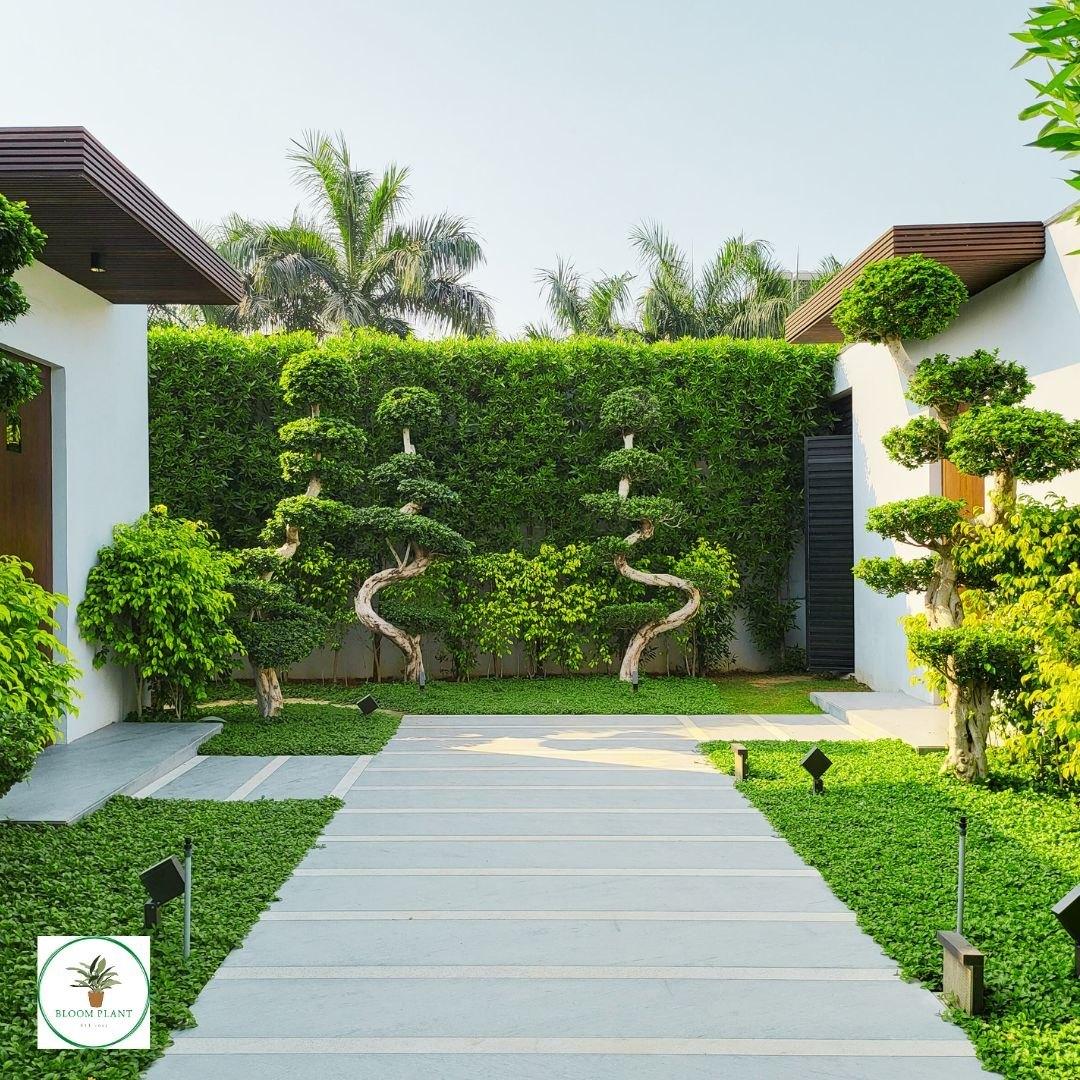
A beautiful yard is about more than plants, flowers, or a well-maintained lawn. The most inviting outdoor spaces combine natural elements with carefully planned hardscape features to create a balanced, functional, and attractive environment. From stone walkways and patios to colorful flower beds and decorative trees, each element plays a role in shaping the overall landscape.
Combining hardscapes and landscaping effectively can help homeowners create outdoor spaces that are practical for everyday use while remaining visually appealing. With thoughtful planning, you can transform an underused yard into a comfortable place to relax, entertain guests, and enjoy the outdoors.
1. Create a Balance Between Plants and Hardscape Features
The first step is finding the right balance between natural greenery and built features. Hardscapes include patios, retaining walls, walkways, driveways, and outdoor seating areas, while landscaping includes lawns, trees, shrubs, and flower beds.
Too many hard surfaces can make a yard feel uninviting, while an area filled entirely with plants may lack clear pathways and usable spaces. Combining both elements creates variety and improves functionality.
For example, a stone patio surrounded by flowering plants and ornamental grasses can create a comfortable gathering area. Adding small garden beds along the patio's edges softens the appearance of the stone and helps the space feel connected to the rest of the yard.
2. Use Walkways to Connect Outdoor Areas
Walkways improve accessibility while helping organize the layout of your landscape. They can connect the home's entrance to a patio, guide visitors toward a garden, or provide convenient access to different parts of the yard.
Materials such as natural stone, brick, and concrete can complement the surrounding landscape when chosen carefully. Consider the color, texture, and shape of the walkway so it works well with nearby plants and other hardscape features.
Planting flowers, low-growing shrubs, or ornamental grasses along the walkway can soften its edges and add visual interest. Make sure the plants do not obstruct the walking surface, and consider drainage to help prevent water from collecting along the path.
3. Design a Patio That Blends With the Garden
A patio can serve as the main gathering area in an outdoor living space. Whether you use it for outdoor dining, relaxing, or entertaining guests, its design should complement the surrounding landscape.
Brick and concrete patios offer different design possibilities, allowing homeowners to choose finishes and layouts that suit their preferences. Surrounding the patio with garden beds, small trees, or container plants can introduce color and natural texture.
Consider how much sunlight the area receives before selecting plants. Sun-loving flowers may thrive in an open patio area, while shade-tolerant plants may be more suitable near trees or covered spaces.
Thoughtful plant placement can also provide privacy and help define the patio without making it feel enclosed.
4. Incorporate Retaining Walls Into Sloped Landscapes
Sloped yards can present challenges when planning outdoor spaces. Retaining walls can help manage changes in elevation while creating opportunities for additional landscaping.
A stone retaining wall may help define a planting area, support a terraced garden, or create a more organized transition between different levels of a yard. Small shrubs, flowers, and ornamental grasses can add color and soften the wall's appearance.
Proper construction and drainage are important when installing retaining walls. The design should account for the slope, soil conditions, water movement, and the wall's intended purpose.
Combining retaining walls with suitable planting can help make uneven areas more functional while maintaining a cohesive landscape design.
5. Add Outdoor Living Features for Comfort
Features such as built-in seating, fire pits, and outdoor kitchens can make a yard more useful throughout the warmer months. Their placement should consider how people will move between the patio, garden, and other outdoor areas.
For example, a built-in fire pit surrounded by seating can create a dedicated gathering space. Nearby planting beds can frame the area without crowding it. An outdoor kitchen may work best close to a patio or dining area, with clear pathways connecting the different features.
Choosing materials and plants that complement one another helps create a consistent appearance across the entire yard.
6. Plan for Drainage and Long-Term Maintenance
A successful outdoor design should consider more than appearance. Water drainage, soil conditions, sunlight, and maintenance requirements all influence how well the landscape performs over time.
Hardscape surfaces should be designed to direct water appropriately, while planting areas need suitable soil and drainage for healthy root growth. Selecting plants that fit the available sunlight and local growing conditions can also reduce unnecessary maintenance.
Regularly inspecting paved surfaces, retaining walls, garden beds, and drainage areas helps identify problems before they become more difficult to address.
Conclusion
Combining hardscapes and landscaping creates an outdoor environment that balances beauty with functionality. Patios, walkways, retaining walls, and seating areas provide structure, while trees, shrubs, flowers, and lawns introduce natural color and texture.
With careful planning, homeowners can create a yard that suits their lifestyle and makes better use of their outdoor space. For professional guidance, explore Hydro Dynamics Corp.'s hardscape design services to discover options for patios, walkways, retaining walls, and custom outdoor living areas.

 English
 Arabic
 French
 Spanish
 Portuguese
 Deutsch
 Dutch
 Italiano
 Russian
 Romaian
 Portuguese (Brazil)
 Greek
