

Rhinoplasty in Islamabad: What Pakistani Patients Should Expect During Recovery
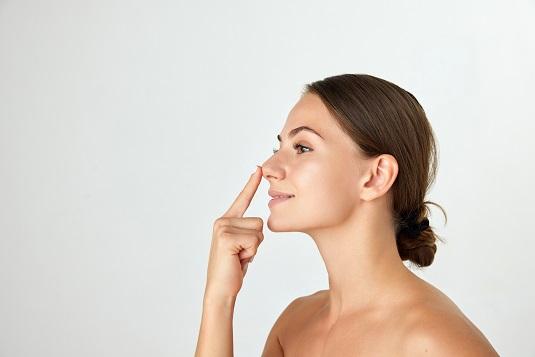
Rhinoplasty is a surgical procedure that reshapes the nose to improve facial balance, appearance, or, in some cases, breathing. For Pakistani patients considering Rhinoplasty in Islamabad, understanding the recovery process is just as important as choosing the procedure itself. Recovery is gradual, and temporary swelling, bruising, congestion, and tenderness are common during the early stages.
What Happens Immediately After Rhinoplasty?
After surgery, patients may have a splint or dressing placed over the nose to protect the newly reshaped nasal structures. Some patients may also have internal packing or splints, depending on the surgical technique and whether functional corrections were performed.
During the first few days, the nose may feel blocked, making it necessary to breathe through the mouth temporarily. Mild discomfort, swelling, bruising around the nose and eyes, and small amounts of nasal bleeding can occur. Your healthcare provider will provide specific instructions regarding medications, wound care, sleeping position, and follow-up appointments.
The First Week of Recovery
The first week is usually when swelling and bruising are most noticeable. Patients are generally advised to rest and avoid activities that could increase pressure or accidentally injure the nose.
A nasal splint is commonly kept in place for around one week, although the exact timing depends on the procedure and your surgeon's instructions. Stitches may also be removed during an early follow-up appointment if they are not dissolvable.
Keeping the head elevated while sleeping may help minimize swelling. Patients should also avoid blowing their nose, bending excessively, lifting heavy objects, or participating in strenuous activities unless their surgeon specifically allows them.
Managing Swelling and Bruising
Swelling is one of the most noticeable parts of rhinoplasty recovery. Bruising around the eyes may gradually fade over the first two to three weeks, while nasal swelling can continue for considerably longer.
It is important not to judge the final appearance of your nose during the first few weeks. The tissues need time to settle, and swelling can make the nose appear larger or slightly uneven temporarily. According to the American Society of Plastic Surgeons, the nasal contour can continue refining for up to a year.
When Can You Return to Work?
Many patients can return to desk-based work or routine activities within one to two weeks, depending on how they feel and the nature of their job. People with physically demanding jobs may need additional recovery time.
If your work involves outdoor activity, heavy lifting, frequent bending, or a higher risk of accidental contact with the face, your recovery plan may be longer. Patients in Islamabad should also consider commuting, traffic, dust, and crowded environments when planning their return to normal activities.
Exercise and Physical Activity
Walking lightly may be possible relatively soon if you feel comfortable, but strenuous exercise should be avoided during the early healing period. Activities that increase blood pressure can potentially worsen swelling or bleeding.
Contact sports and activities where the nose could be hit should be avoided for longer. Your surgeon should determine when it is safe to resume gym workouts, running, swimming, and other physical activities based on your individual recovery.
Protecting Your Nose During Recovery
Protecting the nose from accidental impact is essential. Patients should follow their surgeon's instructions about glasses, sleeping positions, skincare, and touching the nose.
Sun exposure should also be limited during healing because recently operated skin can be more sensitive. Appropriate sun protection can help protect the skin while swelling and healing continue.
Smoking can interfere with healing, so patients who smoke should discuss this with their healthcare provider before and after surgery. Medication and supplement use should also be reviewed with the surgical team because some products can increase bleeding risk.
When Will You See the Final Results?
Rhinoplasty does not produce its final appearance immediately. Although major swelling usually improves during the first several weeks, subtle swelling can remain for months. The nasal tip may take particularly long to refine.
Some patients become concerned if their nose looks different from what they expected during the early recovery period. Patience is important because the shape continues changing as swelling decreases and the tissues heal. Final refinement may take around a year or longer in some cases.
When Should You Contact Your Healthcare Provider?
Recovery symptoms should generally improve over time. However, patients should promptly contact their healthcare provider if they experience significant or persistent bleeding, worsening pain, signs of infection, severe breathing problems, or any symptom that seems unusual.
Follow-up appointments are important because they allow the healthcare team to monitor healing and identify potential concerns early.
FAQs About Rhinoplasty Recovery
How long does rhinoplasty recovery take?
Initial recovery commonly takes around one to two weeks, but complete healing and refinement of the nose can take several months. Final results may take up to a year or longer.
How long will swelling last after rhinoplasty?
Major swelling usually decreases during the first few weeks, but residual swelling can remain for several months. The final nasal contour may continue refining for up to a year.
When can I return to work after rhinoplasty?
Many people return to non-strenuous work within one to two weeks. The appropriate time depends on your healing, job requirements, and your surgeon's recommendations.
Can I exercise after rhinoplasty?
Light activity may be introduced gradually, but strenuous exercise and contact sports should be avoided during the early recovery period. Follow your surgeon's specific timeline.
Is bruising around the eyes normal after rhinoplasty?
Yes. Bruising and swelling around the eyes are common after rhinoplasty and usually improve gradually over the first few weeks.
Final Thoughts
Recovery after rhinoplasty requires patience, proper aftercare, and realistic expectations. For patients considering Rhinoplasty in Islamabad, following post-operative instructions and attending scheduled follow-ups can support a smoother recovery. While early swelling can temporarily hide the outcome, the nose gradually settles into its refined shape over time. Choosing an appropriately qualified healthcare professional and following individualized recovery guidance are important steps toward achieving a safe and satisfactory result.

 English
 Arabic
 French
 Spanish
 Portuguese
 Turkish
 Dutch
Dutch
 Italiano
 Russian
 Romaian
 Portuguese (Brazil)
 Greek
Greek
