

Improving Access to Safe Blood and Long-Term Care for Blood Disorders
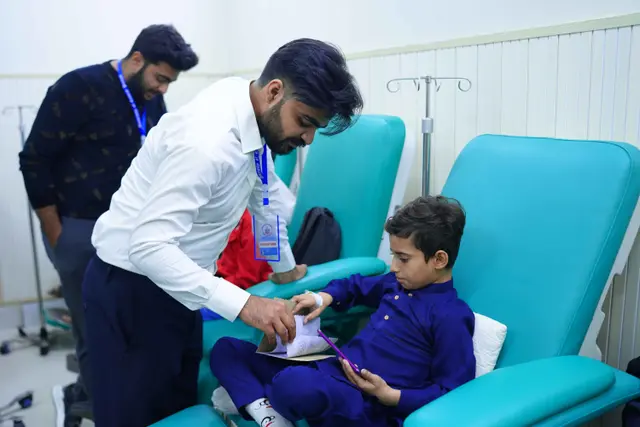
Blood is essential for many medical treatments, from emergency care and surgeries to the ongoing management of chronic blood disorders. However, maintaining a safe and reliable blood supply requires more than occasional donation campaigns. It depends on public awareness, responsible donor participation, proper screening, and strong healthcare support systems. In countries like Pakistan, community involvement plays an important role in helping patients access the blood products they need. Organisations providing essential blood transfusion services help address these needs while encouraging people to understand the importance of voluntary blood donation.
Understanding Blood Disorders and Their Treatment Needs
Blood disorders affect the production, structure, or function of blood cells and other components. Some conditions are inherited, while others develop because of different medical or environmental factors. Thalassemia and hemophilia are two examples that can require specialised medical care and long-term management.
Thalassemia is an inherited condition that affects the body's ability to produce haemoglobin, the protein responsible for carrying oxygen in red blood cells. People with severe forms may require regular blood transfusions and ongoing medical monitoring. Hemophilia, on the other hand, is a bleeding disorder in which the blood does not clot properly because certain clotting factors are missing or insufficient. Treatment depends on the type and severity of the condition.
Understanding these differences is important because each disorder requires an appropriate treatment plan. Patients should receive guidance from qualified healthcare professionals and attend regular medical appointments according to their individual needs.
Why Safe Blood Donation Matters
Voluntary blood donation supports hospitals and healthcare facilities in treating patients who need blood. Donated blood may be required after serious accidents, during surgery, for certain cancer treatments, and for people living with conditions that require transfusions.
A safe donation system involves several important steps:
-
Donor assessment: Potential donors answer health-related questions and undergo basic eligibility checks.
-
Blood collection: Trained staff collect donations using sterile, single-use equipment.
-
Laboratory screening: Donated blood is tested for relevant transfusion-transmissible infections according to applicable standards.
-
Blood component preparation: Where suitable facilities are available, donations can be separated into components such as red blood cells, platelets, and plasma.
-
Proper storage and distribution: Blood products are stored under controlled conditions and supplied according to medical requirements.
These procedures help reduce risks and ensure that blood products are handled responsibly. People interested in donating should contact a recognised blood centre to understand eligibility requirements and the donation process.
Raising Awareness About Thalassemia
Public education is an important part of improving the lives of people with inherited blood disorders. Families may have questions about diagnosis, treatment, genetic inheritance, and the long-term costs associated with care. Reliable information can help them make informed decisions and seek appropriate medical advice.
Thalassemia awareness initiatives can also explain the role of carrier screening and genetic counselling. When both prospective parents carry certain thalassemia-related gene variants, there may be a risk of having a child with a severe form of the condition. Genetic counselling can help families understand those risks without stigma or blame.
Organisations such as Sundas Foundation contribute to public awareness and patient support in Pakistan. Learning about thalassemia and its impact can help readers better understand the condition and the importance of ongoing medical care.
The Role of Communities and Nonprofit Organisations
Healthcare providers cannot meet every challenge alone. Community organisations, volunteers, donors, and charitable supporters can help strengthen access to treatment and health education.
Nonprofit organisations may support patients by facilitating access to transfusions, promoting blood donation, sharing educational resources, and connecting families with relevant services. Their work can be particularly valuable for people who face financial or logistical barriers to regular treatment.
Community members can contribute in several practical ways:
-
Donate blood through a reputable centre when eligible.
-
Share accurate information about blood donation and inherited blood disorders.
-
Encourage friends and family members to learn about voluntary donation.
-
Support credible patient welfare initiatives through volunteering or charitable contributions.
-
Avoid spreading unverified medical advice on social media.
Small, consistent efforts can help build a stronger culture of health awareness and community responsibility.
Supporting Patients Beyond Medical Treatment
Living with a chronic blood disorder can affect education, employment, family finances, and emotional well-being. Regular hospital visits and treatment schedules may create additional pressure for patients and caregivers. Compassionate communication and reliable support can make these challenges easier to manage.
Schools, workplaces, healthcare teams, and families can help by creating inclusive environments where people are treated with dignity. Patients should be encouraged to discuss their concerns with qualified healthcare professionals and seek appropriate psychological or social support when needed.
It is equally important to avoid defining people solely by their medical conditions. With suitable treatment, individualised care, and social support, many people with blood disorders can continue pursuing their educational, professional, and personal goals.
Building a More Reliable Blood Donation Culture
A dependable blood supply is built through ongoing public participation rather than emergency appeals alone. Regular voluntary donors, well-equipped blood centres, appropriate laboratory screening, and public education all contribute to a stronger system.
Individuals can start by learning about local donation facilities, understanding donor eligibility, and sharing accurate health information. Healthcare institutions and nonprofit organisations can continue working together to improve awareness and support patients who need regular treatment.
By combining safe blood donation practices with education and compassionate patient care, communities can help improve access to essential healthcare. Every responsible contribution—whether donating blood, volunteering, or sharing reliable information—can support a more informed and caring society.

 Arabic
 French
 Spanish
 Portuguese
 Deutsch
 Turkish
 Dutch
 Italiano
 Russian
 Romaian
 Portuguese (Brazil)
 Greek
