

Protecting Your Property From Possums: A Practical Guide for Melbourne Homeowners
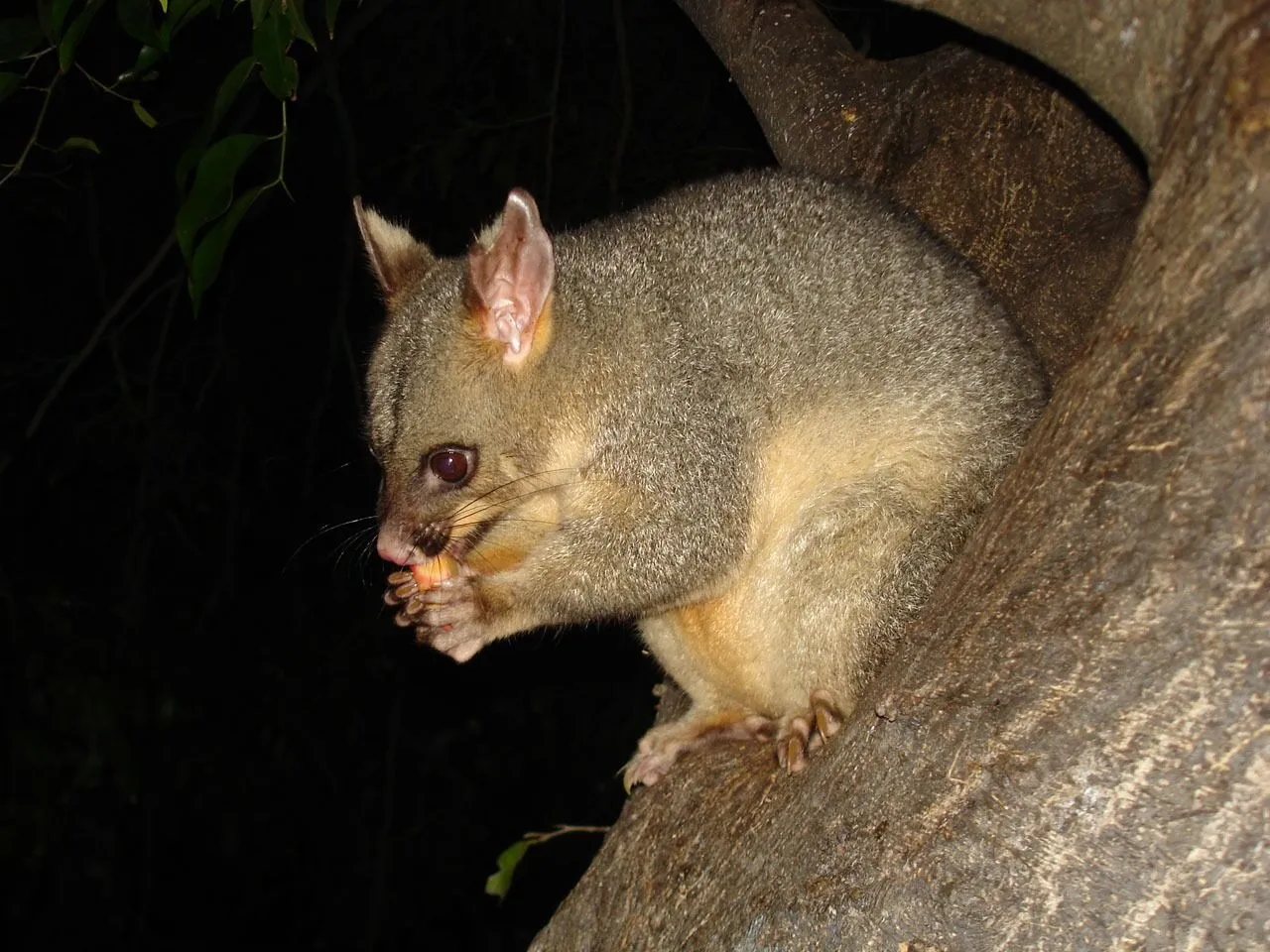
Melbourne's leafy streets, established gardens and residential parks provide valuable habitat for native wildlife, including possums. Although these animals are an important part of Australia's natural environment, they can sometimes enter roof cavities and other enclosed spaces while looking for shelter. possum-removal.com.au helps property owners understand possum-related concerns and the importance of responsible wildlife management. Homeowners researching possum removal Eastern Suburbs Melbourne can benefit from understanding common signs of possum activity, practical prevention measures and ways to protect their buildings without harming native animals.
Why Possums Are Common in Melbourne Suburbs
Possums have adapted to many urban environments, where gardens, parks and mature trees provide opportunities for feeding and movement. They are generally active after sunset and spend daylight hours resting in sheltered locations.
In natural habitats, tree hollows provide protection from weather and predators. However, suitable hollows may be limited in developed neighbourhoods. Roof cavities, enclosed eaves and gaps beneath roofing materials can offer alternative resting places.
Properties with overhanging branches or accessible rooflines may be easier for possums to reach. Once an animal discovers a suitable shelter, it may continue using the same location unless access is addressed appropriately.
Understanding these behaviours helps homeowners recognise why possums visit residential buildings and why prevention should focus on the structure as well as the surrounding environment.
Recognising Signs of Possum Activity
The first indication of a possible problem is often unusual noise above the ceiling. Scratching, shuffling and heavier thumping sounds may occur as an animal moves around a roof cavity.
Other signs can include droppings near access areas, disturbed insulation and visible gaps around roof edges. Residents may also observe possums moving along fences or tree branches near the property after dark.
These indicators are not conclusive because rodents and other animals can produce similar noises or signs. A proper inspection is therefore useful when the source of the activity is uncertain.
Homeowners should avoid reaching into roof cavities or attempting to handle unidentified animals. Observing the situation from a safe distance and recording when the noises occur can provide useful information for a subsequent assessment.
Common Property Concerns
Possum activity inside a building can cause several practical concerns. Repeated movement through a roof cavity may disturb sleep, especially when the sounds occur above bedrooms.
Droppings around access points may require appropriate cleaning, while disturbed insulation or existing roof damage may need repair. In some cases, the presence of an animal highlights structural weaknesses that should have been addressed earlier.
These concerns do not mean possums are inherently dangerous. Rather, they demonstrate why it is important to manage the building's access points and ensure that any wildlife inside an enclosed space is dealt with responsibly.
Identifying the source of the activity is the first step towards selecting an appropriate response and avoiding unnecessary repairs.
Responsible Possum Management in Victoria
Possums are protected native wildlife in Victoria. Property owners must follow applicable wildlife regulations and should not poison, injure or attempt to relocate these animals without understanding the legal requirements.
A suitable assessment should establish where the animal is located, how it entered the building and whether dependent young may be present. These details are important before any exclusion work begins.
For residents seeking information about possum pest control Caroline Springs professional guidance may help clarify suitable assessment and prevention options. The appropriate method depends on the circumstances, the condition of the building and the requirements that apply to native wildlife.
Potential entry points should not be sealed until it has been confirmed that no possum or dependent young remains inside. Blocking an opening prematurely could trap an animal and create further complications.
Responsible management considers both the homeowner's concerns and the welfare of the wildlife involved.
Practical Steps to Prevent Roof Access
Preventative maintenance can reduce the likelihood of possums entering enclosed spaces. Homeowners can begin by checking accessible areas around their buildings.
Inspect roofing materials: Look for loose tiles, damaged sheets, gaps beneath eaves and openings around pipes.
Maintain external fittings: Check vents and other roof fixtures for damage that may allow animals to enter.
Manage overhanging branches: Where appropriate, reduce direct access to the roof through safe vegetation maintenance.
Check sheds and garages: These structures may contain gaps or sheltered areas that attract wildlife.
Arrange suitable repairs: Once animals and any dependent young have been safely accounted for, repair access points to help reduce future entry.
Regular inspections are particularly valuable for older properties, where roofing materials and external fittings may deteriorate over time.
Creating a Balance Between Homes and Wildlife
Possums visiting a garden or moving through nearby trees do not automatically represent a property problem. Native wildlife contributes to urban biodiversity, and outdoor sightings are a normal part of living in many Australian suburbs.
The aim of prevention is to keep buildings secure while allowing wildlife to use suitable outdoor habitats. Homeowners should avoid harmful deterrents and improvised traps that could injure animals.
Maintaining trees, monitoring roof conditions and seeking appropriate advice when animals enter enclosed spaces can help achieve this balance. It is also important to recognise that possums may continue visiting outdoor areas even after roof access has been addressed.
Conclusion
Protecting a home from possum-related problems requires careful observation, regular maintenance and responsible wildlife management. Recognising warning signs, repairing suitable entry points and following Victorian regulations can help reduce household disruption while respecting native animals.
For homeowners exploring local assistance, possum removal Pakenham is another service option to investigate when seeking information about property assessments and possum prevention. Every situation should be evaluated individually, with attention to the building's condition, animal welfare and the requirements governing native wildlife. By taking preventative steps early, residents can maintain comfortable homes while supporting a healthier relationship with Melbourne's urban wildlife.

 Arabic
 French
 Spanish
 Portuguese
 Deutsch
 Turkish
 Dutch
 Italiano
 Russian
 Romaian
 Portuguese (Brazil)
 Greek
