

What Should You Expect When Removing a Cyst From a Hair-Bearing Area?
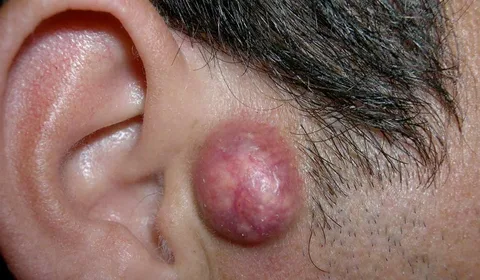
Finding a lump beneath the hair can be concerning, especially when it appears on the scalp, beard area, or another part of the body covered with hair. Although many skin cysts are harmless, their location can influence how they are examined, removed, and cared for afterward. Understanding Sebaceous cyst removal in Riyadh (إزالة الكيس الدهني في الرياض) can help patients prepare for the procedure, learn what happens during treatment, and know how to care for the affected area. With the right clinical assessment and removal technique, a cyst can often be treated while limiting unnecessary damage to the surrounding skin and hair follicles.
Removing a cyst from a hair-bearing area generally involves examining the lump, numbing the skin, and carefully removing the cyst when treatment is appropriate. The exact approach depends on its size, depth, location, and whether inflammation or infection is present. Since hair follicles are located within the skin, the clinician also considers how to protect nearby tissue and support proper wound healing. For patients considering Sebaceous cyst removal in Riyadh, knowing what to expect before, during, and after treatment can make the process more manageable.
Why Do Cysts Develop in Hair-Bearing Areas?
Cysts can form in areas such as the scalp, beard, neck, and other parts of the body where hair grows. Epidermoid cysts develop when skin cells become trapped beneath the surface and accumulate keratin. Pilar cysts, which commonly appear on the scalp, originate from structures associated with hair follicles. Although both may be casually called sebaceous cysts, they are different types of cysts.
These lumps can develop gradually and may remain painless for a long time. Some become noticeable while brushing the hair, shaving, washing the scalp, or touching the skin. Friction, irritation, and inflammation can make an existing cyst more uncomfortable. A healthcare professional can assess the lump to determine whether it is likely to be a cyst or another type of skin growth.
What Happens Before Cyst Removal?
Examination of the Lump
The first step is a clinical examination. The healthcare professional assesses the cyst's size, location, depth, mobility, and surface appearance. They may also ask how long it has been present, whether it has grown, and whether it has previously become swollen or discharged material.
If the lump has unusual features or its diagnosis is uncertain, additional evaluation may be recommended. In some cases, removed tissue may be sent for histopathological examination.
Preparing the Hair-Bearing Area
Hair around the treatment site may need to be moved aside or managed so the clinician can clearly see the skin. Extensive shaving is not always necessary. If hair removal is required, the approach should be appropriate for the location and procedure.
Patients should tell their clinician about any medications, allergies, previous reactions to local anaesthesia, or history of poor wound healing. Following the instructions provided before the appointment can help ensure the area is ready for treatment.
How Is a Cyst Removed From a Hair-Bearing Area?
The procedure varies according to the cyst's characteristics. For many accessible cysts, removal can be performed under local anaesthesia, which numbs the treatment area while the patient remains awake.
The clinician makes an incision appropriate to the cyst and carefully separates it from the surrounding tissue. When feasible, the cyst and its capsule are removed together. This is important because leaving part of the capsule behind may increase the likelihood of recurrence. The incision may be closed with stitches or managed using another suitable wound-closure method, depending on its size and location.
Sebaceous cyst removal in Riyadh should be tailored to the individual case, especially when the lump is close to visible hairlines or within the scalp. The clinician aims to remove the cyst while limiting unnecessary injury to nearby hair follicles and surrounding skin. However, the incision, inflammation, or underlying cyst can sometimes affect local hair growth, and a completely scar-free result cannot be guaranteed.
Does Cyst Removal Affect Hair Growth?
Hair growth after cyst removal depends on the location, the depth of the cyst, the condition of the surrounding tissue, and the technique used. When the cyst is removed carefully and the surrounding follicles remain healthy, hair growth in the area may continue normally.
However, an incision can leave a small scar, and hair may not grow through scar tissue in the same way it grows through unaffected skin. Large, deeply embedded, or repeatedly inflamed cysts may require more extensive treatment and can carry a greater risk of noticeable scarring.
Patients should discuss any concerns about hairline appearance, scalp scars, or beard growth before the procedure. The clinician can explain the likely incision location and realistic healing expectations based on the specific cyst.
What Should You Expect During Recovery?
After removal, the treated area may feel mildly sore, swollen, or tender. These effects often improve gradually, although recovery varies depending on the procedure and the individual. Your clinician may recommend keeping the wound clean, using a dressing, and avoiding activities that place pressure or friction on the area.
For scalp cysts, patients should follow instructions about washing their hair and protecting the incision. Those who have undergone removal in the beard area may need to avoid shaving directly over the healing wound until advised that it is safe. If stitches are used, a follow-up appointment may be required for removal.
Watch for spreading redness, increasing pain, worsening swelling, pus, or fever. These symptoms may indicate an infection or another complication and should prompt medical advice. Avoid scratching the wound, pulling at stitches, or applying unapproved products to the incision.
When Should You Consider Professional Cyst Removal?
A cyst may not require immediate removal if it is small, painless, and stable. However, treatment may be appropriate if it grows, becomes repeatedly inflamed, causes discomfort, interferes with shaving or grooming, or raises cosmetic concerns. A lump that changes rapidly or has unusual features should be examined rather than assumed to be a harmless cyst.
Sebaceous cyst removal in Riyadh may be considered after a qualified healthcare professional confirms the likely diagnosis and discusses the benefits, limitations, and potential risks of treatment. If the cyst is acutely inflamed or infected, definitive removal may need to wait until the inflammation settles. Avoid squeezing or cutting the lump at home, as this can cause infection, bleeding, and further tissue irritation.
Book a Consultation at Royal Clinic Saudia
If you have a cyst on your scalp, beard area, or another hair-bearing part of the body, a professional assessment can help determine the most appropriate treatment. At Royal Clinic Saudia (عيادات رويال كلينك), you can discuss the cyst's location, removal options, possible scarring, and aftercare requirements. A personalised treatment plan can help address the lump while taking the surrounding skin and hair follicles into consideration.
FAQs:
Can a scalp cyst be removed without shaving the hair?
In many cases, extensive shaving is unnecessary. The hair may simply be separated or moved away from the treatment area. Whether any hair needs to be trimmed depends on the cyst's location, size, and the technique being used.
Will hair grow back after cyst removal?
Hair often continues to grow if the surrounding follicles remain healthy. However, hair may not grow through a scar, and the outcome depends on the depth of the cyst, inflammation, and the extent of the incision.
Is removing a cyst from a hair-bearing area painful?
Local anaesthesia is commonly used to numb the area, so patients generally feel pressure or movement rather than sharp pain during the procedure. Mild soreness or tenderness may occur afterward.
Can a cyst return after removal from the scalp or beard area?
Yes, a cyst can recur if part of its capsule remains or if a new cyst develops nearby. Careful removal of the capsule, when appropriate, helps reduce recurrence, but it cannot eliminate the possibility entirely.

 English
 Arabic
 French
 Spanish
 Portuguese
 Deutsch
 Turkish
 Italiano
 Russian
 Romaian
 Portuguese (Brazil)
 Greek
