

How Food Donation Provides Better Nutrition for People Facing Hunger
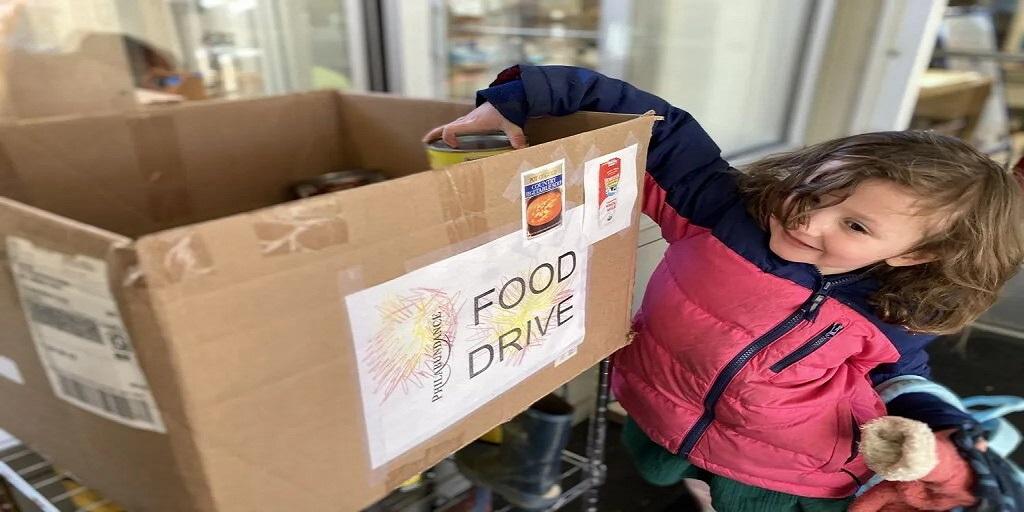
Food donation provides people facing hunger with essential nutrients, fresh ingredients, and more balanced meals. The types of food donated matter because nutrition affects energy, growth, immune function, and general health. These donations give food banks and community organizations the resources they need to address hunger.
Why Healthy Food Matters in Hunger Relief
Access to sufficient food is essential, but food quality matters too. People need a mix of nutrients to stay healthy and meet daily needs. Protein supports muscle development and tissue repair. Fruits and vegetables provide vitamins, minerals, and fiber. Whole grains supply energy, while dairy products and fortified alternatives provide calcium and other essential nutrients.
For families facing financial pressure, purchasing a variety of healthy food can be difficult. Grocery costs may force difficult decisions between fresh produce, protein sources, and household essentials. Food donations help expand the options available through food banks, pantries, and community meal programs.
These donations provide more balanced meals. They also support children’s development, adults’ daily activities, and older adults’ dietary needs.
Which Foods Deliver the Greatest Nutritional Value?
A thoughtful donation includes foods that provide important nutrients and fit different household needs. Shelf-stable products are valuable, while fresh and frozen options add variety when storage facilities permit.
Consider these healthy choices when preparing a donation:
- Canned beans and lentils: These provide plant-based protein, fiber, iron, and folate. They also work in soups, salads, and other affordable meals.
- Whole grains: Brown rice, oatmeal, and whole-grain pasta supply carbohydrates and fiber. These staples pair well with vegetables and protein sources.
- Canned fish and lean proteins: Tuna, salmon, and canned chicken provide protein. Fish varieties with edible bones, such as sardines, can supply calcium.
- Canned fruits and vegetables: These contribute vitamins and minerals, especially when packed in water or natural juice. Lower-sodium vegetables offer another healthy choice.
- Nut and seed butters: Peanut butter and sunflower seed butter provide protein, healthy fats, and energy. They also have a long shelf life.
- Shelf-stable milk and fortified alternatives: These can supply protein, calcium, and vitamin D, depending on the product.
Before donating perishable items, check the receiving organization’s storage capacity and accepted food guidelines.
How Thoughtful Donations Meet Different Dietary Needs
People have different needs based on age, health, culture, and household circumstances. Young children need nutrients that support growth, while older adults may require foods that are easy to prepare or eat. Families managing allergies or specific dietary restrictions need suitable alternatives.
Variety gives food banks greater flexibility when assembling food packages. For example, canned beans provide an alternative protein source for people who do not eat meat. Low-sodium products may suit households monitoring their salt intake. Clear ingredient labels help recipients identify foods that meet their needs.
Packaging and preparation requirements matter, too. Easy-open cans, pull-tab lids, and ready-to-eat options may benefit people with limited kitchen equipment or mobility. Donating familiar ingredients also lets households prepare meals that reflect their traditions and preferences.
Making Every Food Donation Count
Before donating, check expiration dates, packaging integrity, and the organization’s current needs. Unopened products with clear labels are generally easier to distribute. Avoid dented or bulging cans, damaged packaging, and refrigerated items unless the organization accepts them.
Consider donating ingredients that work together in complete meals. Rice, beans, canned vegetables, and protein sources provide several components for balanced recipes. Smaller packages may suit individuals, while larger sizes may work better for families or community kitchens.
Fresh food donations require additional coordination because storage and distribution times affect quality. Contact the receiving organization before delivering refrigerated or frozen products.
Supporting Food Access in Your Community
Your donation can help provide nutritious food to neighbors facing hunger across Greater Philadelphia. Support Philabundance in connecting individuals and families with the food they need to nourish themselves and their loved ones.
For more information about Food Rescue and Food Pantry Near Me Open Today Please visit: Philabundance.

 English
 Arabic
 French
 Spanish
 Portuguese
 Deutsch
 Turkish
 Italiano
 Russian
 Romaian
 Portuguese (Brazil)
 Greek
