

Hair Transplant in Dubai: Hair Growth with Strategic Restoration
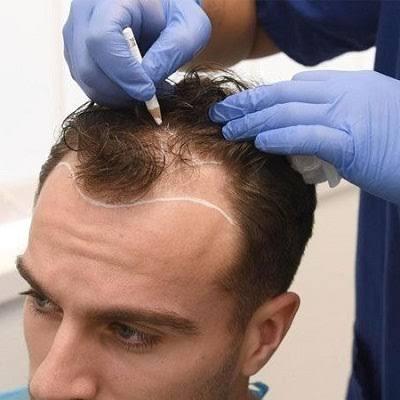
Patchy hair growth can affect the overall appearance of the scalp, making hair density look uneven and changing the natural shape of the hairline. These concerns may develop because of genetic hair loss, previous injuries, certain medical conditions, or other factors that affect hair follicles. A hair transplant can be considered for suitable individuals who want to improve coverage in areas where hair growth has become limited.
Choosing hair transplant in dubai involves understanding the cause of hair loss, evaluating the availability of healthy donor hair, and determining whether surgical restoration is appropriate. A personalized treatment plan helps address patchy areas while considering the existing hair pattern, scalp condition, and desired appearance.
At Beaute Concept clinic dubai, hair restoration planning can focus on individual concerns and the importance of achieving balanced coverage. Careful assessment and realistic expectations are essential when considering a procedure designed to improve hair density.
Understanding the Causes of Patchy Hair Growth
Patchy hair growth does not always result from the same underlying condition. Some individuals experience gradual thinning in specific regions, while others develop clearly defined areas with little or no hair. Identifying the cause is important before choosing a treatment.
Genetic hair loss may produce thinning around the hairline, temples, or crown. Other conditions, including alopecia areata, inflammatory scalp disorders, and certain infections, can cause localized hair loss that requires a different treatment approach. Scarring from injuries or previous procedures may also affect the ability of follicles to produce hair.
A medical assessment can help distinguish between these causes and determine whether transplantation is suitable. Active inflammatory or autoimmune hair loss may require medical management before surgical options are considered.
How Hair Transplantation Addresses Uneven Hair Density
Hair transplantation involves relocating hair follicles from a donor area, usually the back or sides of the scalp, to regions where additional coverage is needed. The transplanted follicles can continue producing hair after successful establishment, although the final outcome depends on several individual factors.
For people with patchy hair growth, the objective is to distribute grafts carefully so that treated areas blend with the surrounding hair. The procedure requires consideration of existing density, hair direction, scalp characteristics, and the number of available donor follicles.
The treatment plan should prioritize a natural appearance rather than simply increasing the number of grafts. Appropriate planning can help maintain visual balance across the scalp.
Choosing the Best Hair Transplant Approach
Selecting the appropriate procedure depends on the individual's hair loss pattern, donor availability, scalp condition, and restoration goals. Two commonly used techniques are follicular unit extraction and follicular unit transplantation.
Follicular Unit Extraction
Follicular unit extraction, commonly called FUE, involves removing individual follicular units from the donor area and placing them into the recipient region. It avoids the linear donor scar associated with traditional strip harvesting, although small scars can remain.
FUE may be considered for selected patients who need targeted restoration. The number of grafts that can be safely harvested depends on donor density and the characteristics of the scalp.
Follicular Unit Transplantation
Follicular unit transplantation, or FUT, involves removing a strip of scalp from the donor region and separating it into follicular units for transplantation. This technique generally leaves a linear scar and may be appropriate in selected cases depending on donor characteristics and treatment objectives.
Neither technique is automatically better for every patient. A qualified practitioner should explain the advantages, limitations, recovery considerations, and potential risks of each approach.
The Importance of Strategic Graft Placement
Successful restoration of patchy hair growth requires more than filling empty spaces. Graft placement must account for the direction, angle, and distribution of existing hair to create a consistent appearance.
Hairline areas may require careful attention to finer, single-hair grafts, while other regions may benefit from different graft combinations depending on the patient's anatomy. The surgeon must also consider the surrounding hair density to avoid an uneven transition between transplanted and natural hair.
Donor hair is limited, so treatment planning should preserve sufficient resources for possible future hair loss. A conservative strategy can help maintain flexibility if the pattern of thinning changes over time.
What to Expect Before and After Treatment
Before surgery, patients generally undergo an assessment of their medical history, scalp condition, donor density, and hair loss pattern. The practitioner may recommend additional investigations or treatment when the cause of patchy growth is uncertain.
Patients should discuss medications, allergies, previous procedures, and any history of scalp conditions. Clear information about expected results, recovery, and possible complications helps support informed decision-making.
Following transplantation, temporary redness, swelling, scabbing, or discomfort may occur. Transplanted hairs commonly shed during the early recovery period before new growth develops over subsequent months. Visible improvement is gradual, and the final result may take around 12 months or longer, depending on the individual and treatment area.
Following aftercare instructions and attending recommended reviews can help monitor healing and identify complications early.
Who May Be Suitable for Hair Transplantation?
Hair transplantation may be appropriate for individuals with stable hair loss, adequate donor hair, and realistic expectations. However, not everyone with patchy growth is a suitable candidate.
People experiencing active alopecia areata, untreated scalp infections, or certain inflammatory conditions may need other treatments. Those with diffuse thinning or limited donor supply may also require a different approach.
A thorough consultation helps establish whether surgery is appropriate and whether medical treatment or observation should come first. The goal is to select an option that addresses the underlying concern while protecting scalp health.
Why Choose the Best Hair Transplant Clinic in Dubai?
Selecting the best hair transplant clinic in dubai involves evaluating professional qualifications, surgical experience, consultation standards, and the quality of follow-up care. Patients should understand who will perform the procedure, how donor hair will be managed, and what measures are used to minimize risks.
At Beaute Concept clinic dubai, individuals exploring hair restoration can consider their concerns and discuss possible approaches through a personalized assessment. A clear treatment plan should explain the anticipated benefits, limitations, recovery process, and realistic expectations for coverage.
The decision should be based on clinical suitability and informed consent rather than promises of guaranteed density or permanent results in every circumstance.
Frequently Asked Questions
Can a hair transplant fill patchy areas of the scalp?
A transplant may improve coverage in selected patchy areas when the underlying hair loss is suitable for surgery and sufficient donor follicles are available. The cause of the patchiness should be assessed first.
How long does it take to see hair transplant results?
New growth generally develops gradually over several months. Noticeable improvement often occurs between six and twelve months, although the final outcome varies and may take longer.
Is FUE suitable for patchy hair loss?
FUE can be suitable for some individuals who need targeted restoration. Suitability depends on the cause of hair loss, donor availability, scalp condition, and the desired coverage.
Will transplanted hair remain permanently?
Transplanted follicles often provide long-lasting growth, but outcomes vary. Existing non-transplanted hair may continue to thin, so long-term planning is important.
Is every type of patchy hair loss treatable with transplantation?
No. Some conditions, particularly active autoimmune or inflammatory hair loss, may require medical treatment instead of surgery. A professional assessment is necessary to determine the appropriate approach.
Conclusion
Patchy hair growth can affect scalp coverage and create visible differences in hair density. Hair transplantation may offer a suitable restoration option for selected individuals when the cause of hair loss is understood and sufficient donor hair is available.
Through careful assessment, strategic graft placement, and realistic treatment planning, Beaute Concept clinic dubai can help individuals explore appropriate hair restoration options. Understanding the available techniques, recovery process, and limitations of transplantation supports more informed decisions about improving hair coverage and achieving a natural-looking result.

 English
 French
 Spanish
 Portuguese
 Deutsch
 Turkish
 Dutch
 Italiano
 Russian
 Romaian
 Portuguese (Brazil)
 Greek
