

How Can Radon Removal Service Ottawa Improve Indoor Air Quality
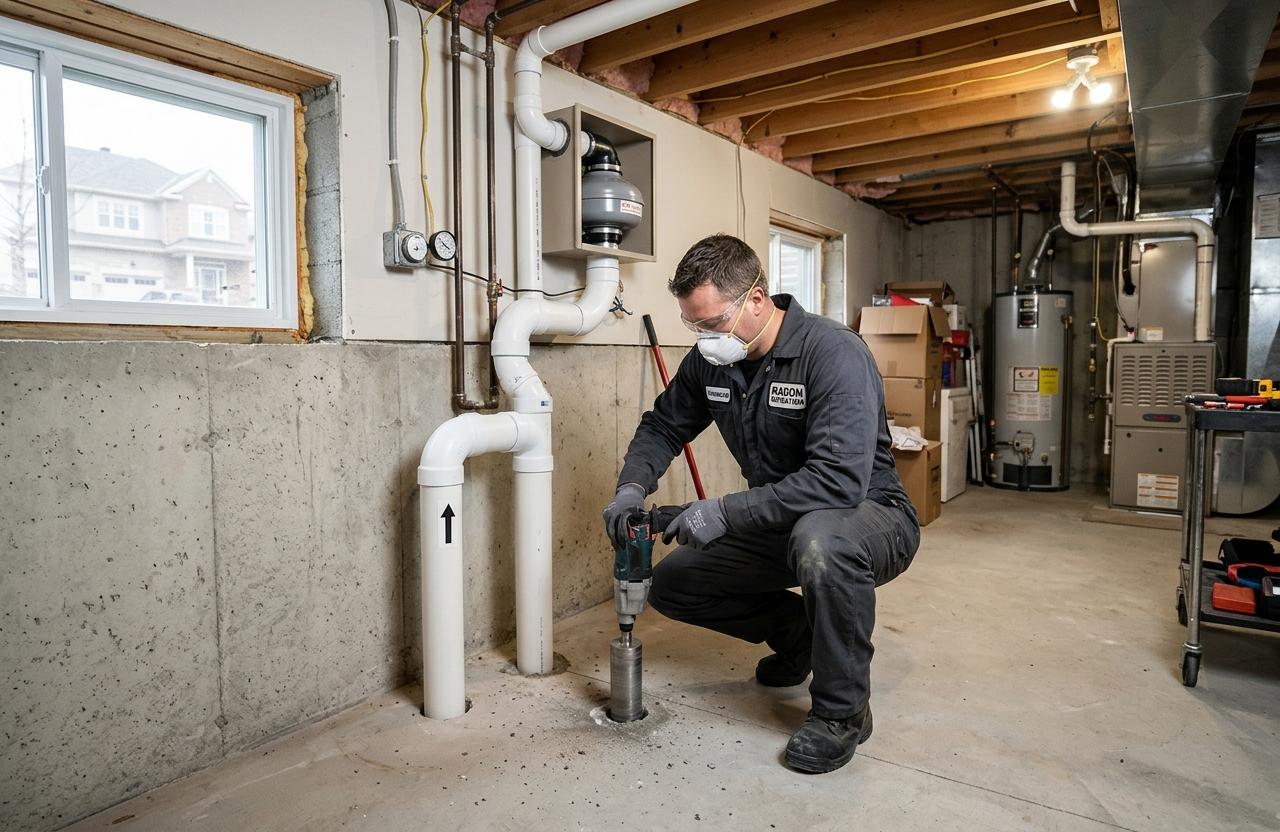
A safe home starts with a healthy indoor environment, but some risks are difficult to detect without professional testing. Radon is a naturally occurring radioactive gas that can enter buildings through foundation cracks, basement floors, drainage openings, and other gaps. It is invisible, odourless, and tasteless, which means homeowners cannot identify its presence through their senses alone.
For homeowners looking to improve indoor air quality, a professional Radon Removal Service Ottawa can help identify elevated radon levels and determine the most suitable solution. Radon testing and mitigation are particularly important because long-term exposure to high concentrations of this gas increases the risk of lung cancer. Health Canada recommends taking corrective action when a long-term test indicates an average annual radon concentration above 200 becquerels per cubic metre (Bq/m³).
Understanding how radon enters a property, how testing works, and which removal methods are available can help homeowners make informed decisions about protecting their families.
What Is Radon and Why Is It a Concern?
Radon develops naturally when uranium in soil and rock breaks down. The gas can move through the ground and enter buildings through small openings in their foundations. Once inside, it may accumulate, especially in enclosed areas with limited ventilation.
Ottawa homeowners should not assume that their property is safe simply because their neighbours have low radon readings. Radon concentrations can vary considerably between nearby homes because of differences in soil conditions, foundation construction, ventilation, and building design.
Long-term exposure to elevated radon levels is associated with an increased risk of lung cancer. Since the gas has no noticeable smell or appearance, testing is the only reliable way to determine its concentration indoors.
Why Should You Consider Radon Removal Service Ottawa?
Professional radon mitigation can help homeowners address elevated radon levels through a planned and measurable process. Instead of relying on temporary measures, a qualified specialist can assess the property and recommend an appropriate reduction system.
Protect Your Family's Indoor Environment
Families spend considerable time indoors, including in bedrooms, living rooms, and finished basements. If radon enters these spaces and accumulates, residents may experience prolonged exposure without knowing it.
A professional radon assessment helps establish whether the concentration requires corrective action. If elevated levels are confirmed, installing a suitable mitigation system can reduce exposure and support a healthier indoor environment.
Improve Confidence in Your Property
Radon testing can provide useful information when purchasing, renovating, or maintaining a home. Buyers may want to understand the property's radon levels before completing a transaction, while existing homeowners can use test results to decide whether mitigation is necessary.
Although testing cannot guarantee that a property will remain radon-free, it provides an important starting point for managing this environmental risk.
Address the Problem With a Suitable Solution
Every property has different characteristics. A basement with a concrete slab may require a different approach from a home with a crawl space or a particular foundation design.
A professional assessment considers these conditions before recommending equipment and installation methods. This helps ensure the selected system addresses the property's actual radon entry pathways.
How Does Professional Radon Removal Work?
A reliable radon mitigation process generally involves testing, assessment, installation, and follow-up measurements.
Step One: Test the Property
The first step is to measure indoor radon concentrations. Health Canada recommends long-term testing, generally lasting three to twelve months, to estimate a home's average annual radon level. At least 91 days of testing should occur during the heating season for the recommended measurement approach.
The detector should normally be placed in the lowest level of the home where people spend more than four hours per day. Homeowners can use an approved do-it-yourself test kit or hire a qualified radon measurement professional.
Step Two: Assess the Building
After receiving the results, a specialist can evaluate the foundation, basement layout, soil conditions, and possible entry points. This assessment helps determine which mitigation method is appropriate.
For example, a home with a basement slab may benefit from a system that draws soil gas from beneath the foundation. Another property may require a different configuration based on its construction.
Step Three: Install a Mitigation System
One common method is active soil depressurisation. This system uses a pipe and fan to collect soil gas from beneath the foundation and discharge it outdoors at an appropriate location.
The system reduces the pressure difference that draws radon into the building, helping prevent the gas from entering occupied spaces. Installation requirements depend on the property's structure and the system design.
Sealing accessible foundation openings may also form part of the work, but sealing alone is generally not a reliable substitute for an appropriate mitigation system.
Step Four: Conduct Follow-Up Testing
After installation, testing is essential to determine whether the system has reduced radon concentrations effectively. A professional can explain the results and recommend any necessary adjustments.
Health Canada also recommends retesting homes with active mitigation systems every five years to confirm that the system continues to function as intended.
What Should Ottawa Homeowners Look for in a Radon Professional?
Choosing a qualified service provider is an important part of successful radon mitigation. Homeowners should consider the following factors before hiring a company.
Professional certification: Look for a measurement or mitigation professional certified through the Canadian National Radon Proficiency Program (C-NRPP), as appropriate for the work required.
Clear explanations: A reliable provider should explain the test results, recommended installation method, expected scope of work, and follow-up testing requirements.
Written estimates: Request a detailed estimate covering equipment, installation, electrical requirements where applicable, and any additional work.
Post-installation verification: Ask how the company will confirm that the mitigation system is working and what maintenance may be required.
Comparing these details can help homeowners choose a service based on professional standards, transparent communication, and suitability for their property.
How Can You Help Reduce Radon Risks at Home?
Professional mitigation is important when test results indicate elevated concentrations, but homeowners can also take practical steps to support effective radon management.
Start by testing the home rather than assuming its radon level based on the neighbourhood. Keep the mitigation system operating as instructed and investigate any warning indicators or unusual changes in fan performance.
Avoid relying on open windows or ordinary air fresheners as permanent solutions. Ventilation may temporarily dilute indoor radon, but it does not necessarily prevent the gas from entering the building. Major renovations, changes to basement use, or foundation repairs may also justify additional testing.
For more information about testing and corrective action, consult Ottawa Public Health and Health Canada's radon resources.
About Ottawa Radon
Ottawa Radon, available at https://ottawaradon.pro/, is a brand focused on radon-related information and services for property owners in Ottawa. Homeowners exploring radon testing or mitigation can use the website to learn more about addressing indoor radon concerns and determining suitable next steps for their properties. When considering professional services, homeowners should confirm the provider's relevant C-NRPP credentials, understand the proposed assessment and installation process, and ask about post-mitigation testing to verify results.
Conclusion
Radon is an invisible environmental concern that homeowners cannot assess through sight or smell. Testing provides the information needed to understand indoor concentrations, while professional mitigation offers an effective way to address elevated levels.
A dependable Radon Removal Service Ottawa can help homeowners evaluate test results, select a suitable mitigation approach, and verify the effectiveness of the installed system. By arranging long-term testing, choosing qualified professionals, and following recommended retesting practices, Ottawa residents can take practical steps towards reducing radon exposure and maintaining a healthier home.

 English
 Arabic
 French
 Spanish
 Deutsch
 Turkish
 Dutch
 Italiano
 Russian
 Romaian
 Portuguese (Brazil)
 Greek
