

Skin Pigmentation in Dubai: Laser vs Chemical Peels
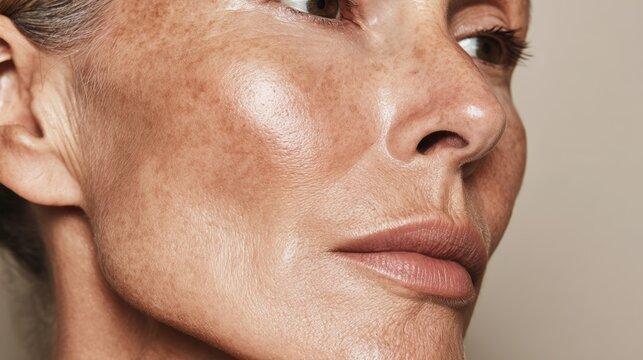
Dark spots, melasma, sun damage, and uneven skin tone can make the complexion appear patchy or discoloured. Although several treatments are available to improve pigmentation, choosing the right option depends on the cause and depth of the discoloration. Two commonly discussed approaches for Skin Pigmentation in Dubai are laser treatments and chemical peels.
Both procedures aim to improve the appearance of selected pigmentation concerns, but they work in different ways. Chemical peels use exfoliating solutions to remove controlled layers of skin cells, while laser treatments use targeted light energy to address specific pigment deposits. Understanding their differences can help you make a more informed decision.
What Is Laser Treatment for Skin Pigmentation?
Laser pigmentation treatment uses focused light energy to target selected pigment within the skin. Depending on the technology, the energy may break down excess pigment into smaller particles that the body gradually clears.
Different laser systems are designed for different skin concerns. Some may be used for selected sun spots, freckles, or other forms of pigmentation, while others are designed to address particular skin conditions.
Benefits of Laser Pigmentation Treatment
Laser procedures may offer several benefits when the pigmentation type is suitable.
-
Targets selected pigment: Certain laser technologies can focus on specific pigment deposits.
-
Treats individual spots: Some procedures can target visible sun spots and other isolated areas.
-
May require fewer sessions: Depending on the condition and device, some pigmentation concerns may respond within a limited number of treatments.
-
Can be tailored: Treatment settings can be adjusted according to the skin concern and individual characteristics.
However, laser treatment is not suitable for every type of discoloration. It can also cause burns, irritation, or post-inflammatory hyperpigmentation if the device or settings are inappropriate.
What Are Chemical Peels for Skin Pigmentation?
Chemical peels involve applying a carefully selected chemical solution to the skin to encourage controlled exfoliation. This process removes some surface skin cells and supports skin renewal.
Common ingredients include glycolic acid, lactic acid, and salicylic acid. The choice depends on the individual's skin type, sensitivity, and pigmentation concerns.
Benefits of Chemical Peels
Chemical peels may help improve several surface-level skin concerns.
-
Improves superficial pigmentation: Certain peels can help reduce the appearance of mild dark spots.
-
Promotes exfoliation: The treatment removes accumulated dead skin cells.
-
Improves skin texture: Some formulations can help smooth rough or dull-looking skin.
-
May support acne care: Selected peels can be useful for acne-prone skin and some post-acne marks.
Peel strength matters. Stronger formulations are not automatically more effective and may increase the risk of irritation or additional pigmentation.
Laser vs Chemical Peels: Key Differences
Although both treatments may help improve pigmentation, their methods, applications, and recovery requirements differ.
| Feature | Laser Treatment | Chemical Peels |
|---|---|---|
| How it works | Uses targeted light energy | Uses chemical exfoliation |
| Main purpose | Targets selected pigment deposits | Removes controlled layers of surface cells |
| Common applications | Selected sun spots and pigment concerns | Superficial pigmentation and uneven texture |
| Treatment sensation | May involve warmth, snapping, or mild discomfort | May cause tingling or temporary stinging |
| Recovery | Depends on laser type and treatment intensity | Depends on peel strength |
| Number of sessions | Varies by condition and technology | Often performed as a planned series |
| Main risks | Burns, irritation, and pigment changes | Irritation, peeling, and pigment changes |
Neither option is universally better. The appropriate choice depends on the pigmentation diagnosis, skin tone, treatment history, and individual response.
Which Treatment Is Better for Melasma?
Melasma is a pigmentation condition that causes brown or grey-brown patches, commonly on the cheeks, forehead, and upper lip. It is influenced by factors such as hormonal changes, ultraviolet exposure, and genetic susceptibility.
Chemical peels may help selected cases of melasma when gentle formulations are used as part of a broader management plan. However, aggressive exfoliation can trigger inflammation and make pigmentation worse.
Laser treatments may also be considered in carefully selected cases, but melasma can respond unpredictably. Some laser procedures may cause recurrence or additional discoloration.
For many people, consistent sun protection and suitable topical treatments form the foundation of melasma management. Procedures are considered according to individual circumstances rather than used automatically.
Which Treatment Is Suitable for Dark Spots?
The right procedure depends on what is causing the dark spots.
Sun Spots
Sun spots are commonly associated with cumulative ultraviolet exposure. Certain laser technologies may be considered for suitable individual spots, while superficial chemical peels may help improve some mild surface discoloration.
Post-Acne Pigmentation
Post-inflammatory hyperpigmentation develops when acne-related inflammation leaves brown or dark marks. Topical treatments and selected superficial chemical peels may help improve these marks.
Laser treatment may be considered in specific situations, but the risk of additional pigmentation must be evaluated carefully.
Uneven Skin Tone
Chemical peels may improve mild surface discoloration and dullness by encouraging exfoliation. Laser procedures may be more appropriate for certain defined pigment deposits, depending on their type and location.
Does Skin Tone Affect Treatment Selection?
Yes. Skin tone is an important consideration when choosing pigmentation treatments.
People with medium to deeper skin tones may have a greater tendency to develop post-inflammatory hyperpigmentation after irritation or injury. This means that overly aggressive chemical peels and unsuitable laser settings can increase the risk of additional discoloration.
A treatment assessment should consider skin type, pigment depth, sensitivity, previous reactions, and the likelihood of recurrence. Conservative treatment settings and appropriate aftercare may help reduce complications.
What Is the Recovery Time for Each Treatment?
Recovery varies according to the procedure, its intensity, and individual skin response.
Recovery After Laser Treatment
Some laser treatments cause temporary redness, swelling, or sensitivity. Certain procedures may also result in darkening or lightening of treated areas before the skin settles.
More intensive laser procedures can involve crusting or a longer recovery period. Following aftercare instructions and avoiding unnecessary sun exposure are essential.
Recovery After Chemical Peels
After a chemical peel, the skin may feel tight, dry, or slightly irritated. Superficial peels can cause mild flaking, while stronger peels may involve more noticeable peeling and longer recovery.
Do not pull or scrub peeling skin. Use gentle skincare and sunscreen as recommended.
Can Laser Treatment and Chemical Peels Be Combined?
In selected cases, different treatments may form part of a broader pigmentation management plan. However, combining procedures does not automatically produce better results.
Performing treatments too close together can increase inflammation and compromise the skin barrier. The appropriate sequence and interval depend on the treatment type, skin condition, and recovery.
A qualified professional should determine whether combining treatments is suitable. Some people may benefit more from topical skincare and sun protection than from multiple procedures.
How to Maintain Results After Pigmentation Treatment
Regardless of the treatment selected, aftercare plays an important role in maintaining improvement.
Use daily sunscreen: Apply broad-spectrum SPF 30 or higher and reapply as directed, particularly when outdoors in Dubai's sunny climate.
Keep the routine gentle: Avoid harsh scrubs and strong exfoliating ingredients while the skin is recovering.
Maintain hydration: Use a suitable moisturiser to support the skin barrier.
Avoid picking treated areas: Scratching or removing peeling skin can cause irritation and increase the risk of marks.
Follow professional guidance: Use recommended products and attend follow-up assessments when needed.
Pigmentation can return, particularly when the original triggers remain present. Long-term sun protection and appropriate skincare are therefore important.
How to Choose Between Laser and Chemical Peels
Choosing between laser treatment and chemical peels should begin with identifying the type of pigmentation. A professional assessment can help determine whether the concern is melasma, sun damage, post-acne marks, or another form of discoloration.
The assessment should also consider skin tone, medical history, current skincare products, sensitivity, and previous treatment reactions. This information helps establish realistic expectations and select an appropriate approach.
It is important to remember that not every dark spot is a cosmetic pigmentation concern. New, changing, irregular, or unusual lesions should be medically evaluated before any cosmetic procedure.
Conclusion
Laser treatments and chemical peels can both help improve selected forms of pigmentation, but they work differently and are suited to different concerns. Laser procedures target specific pigment deposits, while chemical peels encourage controlled exfoliation and may improve superficial discoloration and skin texture. The safest option depends on the pigmentation type, skin tone, sensitivity, and individual treatment goals. Consistent sun protection remains essential for maintaining results. For personalised guidance on Skin Pigmentation in Dubai, TAJMEELS CLINIC can help individuals explore suitable treatment options based on their skin concerns and professional assessment.
For More Details, Contact Us Through:
WhatsApp: +971 56 203 8751
Phone: +971 4 373 9000
Social Media:

 English
 Arabic
 French
 Spanish
 Portuguese
 Deutsch
 Turkish
 Dutch
 Russian
 Romaian
 Portuguese (Brazil)
 Greek
