

Acupuncture for Athletes: Build a Smarter Weekly Recovery Routine
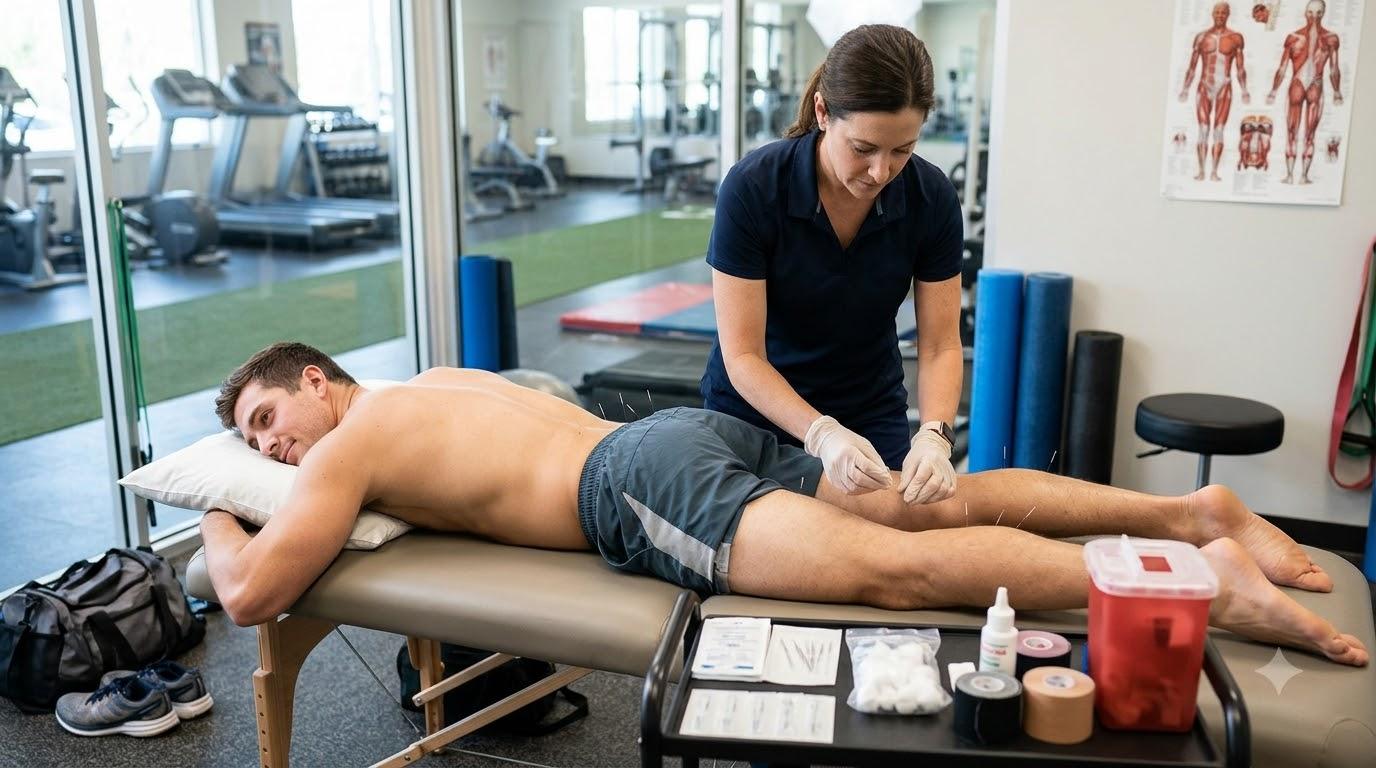
Acupuncture for Athletes: How to Organize a Weekly Recovery Routine Around Your Training Schedule
Athletes often spend considerable time planning workouts but less time organizing recovery. Training sessions are scheduled carefully, while sleep, rest days and symptom management are left to chance. For people considering acupuncture for athletes building a weekly recovery routine, the first step should be understanding how complementary treatment fits alongside the foundations of athletic recovery.
Acupuncture may help selected musculoskeletal pain symptoms, but it has not been consistently demonstrated to accelerate muscle repair or improve athletic performance.
A useful weekly plan should prioritize training demands, sleep, nutrition and appropriate rehabilitation before adding optional treatments.
Why Recovery Needs a Schedule
Recovery is not simply what happens when an athlete stops exercising.
It is an ongoing process influenced by training load, sleep, nutrition and general health.
When demanding sessions occur too frequently, fatigue may accumulate.
This can affect workout quality and the ability to maintain a consistent routine.
A recovery schedule helps athletes balance challenging sessions with appropriate rest.
However, there is no universal weekly structure suitable for every sport.
A runner, weightlifter and team-sport athlete may require different training and recovery patterns.
The plan should reflect individual goals and physical capacity.
Start by Mapping Training Demands
Before adding recovery treatments, review the week's planned workouts.
Identify which sessions are expected to be physically demanding.
For example, a strength athlete may schedule heavy lifting sessions on particular days.
A runner may alternate harder workouts with easier training.
The purpose is to avoid placing too many demanding sessions together without adequate recovery.
Training plans should also allow adjustments when fatigue or pain develops.
Acupuncture cannot reliably compensate for an inappropriate workload.
Build Recovery Around Four Foundations
Sleep
Sleep supports normal physiological recovery and general health.
Athletes should establish consistent sleep opportunities appropriate to their needs.
Persistent sleep problems deserve attention rather than simply adding more recovery treatments.
Nutrition
Training requires adequate energy and nutrients.
Protein, carbohydrate intake, hydration and overall energy availability may all matter depending on the sport.
Individual nutritional requirements vary.
Training-load management
Workload should progress according to the athlete's current capacity.
Sudden increases may contribute to excessive fatigue or injury risk.
Injury management
Persistent pain should be evaluated appropriately.
Rehabilitation may be needed to restore strength, movement and function.
Complementary treatment should not replace injury-specific care.
Sample Weekly Recovery Planner
This is an illustrative routine, not a prescription for a particular athlete.
|
Day |
Training focus |
Recovery priority |
Optional consideration |
|
Monday |
Demanding training |
Nutrition and sleep |
Monitor soreness |
|
Tuesday |
Easier session |
Comfortable movement |
Review fatigue |
|
Wednesday |
Moderate training |
Hydration and rest |
Address persistent symptoms |
|
Thursday |
Demanding training |
Recovery planning |
Avoid unnecessary added workload |
|
Friday |
Lighter activity |
Sleep and nutrition |
Complementary care if appropriate |
|
Saturday |
Sport-specific training |
Monitor performance and discomfort |
Adjust activity if needed |
|
Sunday |
Rest or easy activity |
Overall recovery review |
Plan the following week |
The exact arrangement should be individualized.
Where Could Acupuncture Fit?
Acupuncture may be considered when a specific musculoskeletal pain symptom continues to interfere with comfortable activity.
However, there is no universally established schedule for acupuncture for athletes that reliably improves training outcomes.
Some athletes may prefer optional appointments on lighter training days.
Others may decide that no additional treatment is necessary.
The decision should depend on the symptom, medical circumstances and personal preferences.
Introducing unfamiliar treatment immediately before an important competition may be inconvenient because individual reactions vary.
Six Steps to Customize the Routine
-
Identify your main training goal. Clarify whether you are developing strength, endurance or sport-specific skills.
-
Map demanding sessions. Identify days that place greater physical demands on the body.
-
Schedule appropriate recovery. Include sleep opportunities, nutrition planning and suitable rest.
-
Monitor warning signs. Persistent pain, unusual fatigue or declining function may require reassessment.
-
Consider complementary care selectively. Discuss acupuncture when a specific symptom-management need exists.
-
Review the week. Evaluate whether the plan supports sustainable training without excessive fatigue.
Example 1: A Runner Training Four Days Per Week
A recreational runner follows a four-day training schedule.
The runner includes one demanding interval session and one longer run.
After increasing mileage, persistent calf discomfort develops.
Instead of adding acupuncture immediately, the runner reviews training progression and obtains assessment when symptoms continue.
Acupuncture may be considered for selected discomfort, but workload adjustment remains important.
The lesson is that recovery planning should address the source of excessive demands.
Example 2: A Strength Athlete With Recurrent Shoulder Discomfort
A weightlifter trains several times per week.
Shoulder discomfort becomes noticeable during certain exercises.
The athlete initially considers scheduling acupuncture after every demanding session.
However, professional assessment identifies the need to modify training and follow a rehabilitation program.
Complementary treatment may be discussed for symptom management.
The athlete evaluates progress through comfortable movement and training tolerance.
Illustrative Case Study: Organizing a Sustainable Training Week
This is a hypothetical scenario, not a documented athletic outcome.
A 28-year-old recreational athlete combines gym training with weekend cycling.
The athlete begins feeling persistently tired and notices recurring muscular discomfort.
After researching acupuncture for athletes, the athlete considers adding frequent recovery appointments.
Before committing, the athlete reviews the weekly schedule.
Several demanding sessions occur without adequate recovery time.
The athlete adjusts the program and prioritizes sleep and nutrition.
A healthcare professional evaluates the persistent discomfort.
Acupuncture is considered only as an optional addition for selected symptoms.
The expected outcome is a more sustainable routine, not guaranteed performance improvement.
The lesson is that complementary treatments should support an appropriate training plan rather than compensate for an unsuitable one.
How to Evaluate Whether Your Weekly Plan Works
A useful routine should support consistent participation in appropriate training.
Consider whether fatigue is manageable and whether persistent pain interferes with activities.
Athletes may also review workout quality, sleep and overall well-being.
However, not every temporary fluctuation indicates a problem.
Performance and energy naturally vary.
The important question is whether the overall plan remains sustainable.
Choosing a Practitioner Who Understands Training Demands
A practitioner should ask about training frequency, current symptoms and relevant medical history.
Professional licensing and safe treatment procedures are important.
Athletes can explore Swiss Acupuncture for service information and discuss whether complementary care fits their circumstances.
Avoid promises that acupuncture can eliminate the need for rest or guarantee faster muscle adaptation.
Common Weekly Planning Mistakes
One mistake is scheduling demanding workouts without adequate recovery.
Another is treating every episode of soreness as an injury.
Athletes may also rely on recovery treatments while overlooking insufficient sleep or nutrition.
A further mistake is assuming that pain relief means unrestricted training is safe.
Finally, acupuncture for athletes should not become a reason to ignore persistent symptoms requiring medical evaluation.
When Should the Plan Change?
Training routines should be adjusted when fatigue becomes excessive, symptoms worsen or medical circumstances change.
A healthcare professional may need to assess persistent pain or unexplained fatigue.
Acupuncture can cause temporary soreness, bruising or lightheadedness.
Rare serious complications are possible with improper technique.
Athletes should discuss any concerning reactions with an appropriate professional.
Conclusion
A productive recovery routine begins with appropriate training demands, sufficient sleep, suitable nutrition and injury management.
Acupuncture may provide complementary pain management for selected athletes, but it cannot replace these foundations.
When considering acupuncture for athletes, identify a specific need and evaluate whether treatment offers meaningful benefits.
The most effective weekly routine is one that allows consistent training while respecting the body's recovery requirements.
Frequently Asked Questions
Should athletes schedule acupuncture every week?
There is no universal requirement for weekly acupuncture. Treatment frequency should depend on symptoms, medical circumstances and personal goals.
Is acupuncture better on rest days?
There is no established optimal day for every athlete. Scheduling should reflect comfort, training demands and practitioner guidance.
Can acupuncture reduce the need for recovery days?
No. Appropriate recovery remains essential for training adaptation.
Should acupuncture be used after every hard workout?
Routine treatment after every demanding session is not established as necessary. Most athletes should first review training load and recovery fundamentals.
Can acupuncture help persistent muscular discomfort?
It may help selected pain conditions, but persistent symptoms should be assessed to identify the underlying cause.
How do I know whether a recovery routine is effective?
Review training consistency, fatigue, comfortable movement and whether symptoms interfere with normal activities.

 English
 Arabic
 French
 Spanish
 Portuguese
 Deutsch
 Dutch
 Italiano
 Russian
 Romaian
 Portuguese (Brazil)
 Greek
