

Why Is Individualized Treatment Planning Important for PRP Hair Restoration?
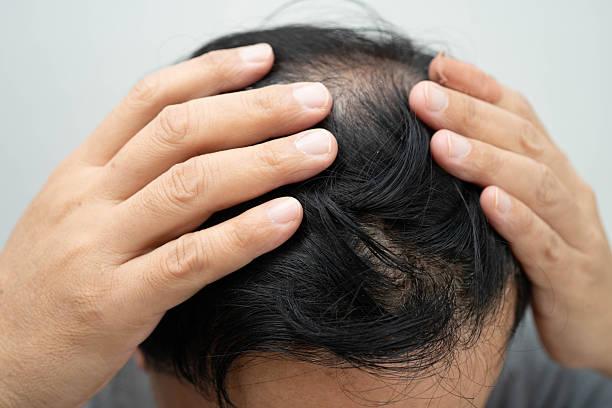
Hair loss can affect people differently, even when they experience similar patterns of thinning or shedding. The causes, scalp conditions, follicle activity, and overall health of each individual can influence how hair responds to treatment. This is why a personalized approach is important when considering PRP Hair Treatment in Riyadh. Rather than following the same procedure for everyone, individualized treatment planning helps medical professionals understand a person's specific hair concerns and determine whether platelet-rich plasma therapy is an appropriate option. A carefully designed plan also helps establish realistic expectations and supports more informed treatment decisions.
Platelet-rich plasma (PRP) therapy uses a concentrated portion of platelets obtained from the patient's own blood. These platelets contain growth factors involved in tissue repair and cellular communication. When prepared and administered appropriately, PRP may help support existing hair follicles in selected individuals. However, treatment response can vary depending on the cause and stage of hair loss. For this reason, PRP Hair Treatment in Riyadh should begin with an assessment of individual needs instead of relying on a standard treatment schedule.
Understanding the Importance of Personalized PRP Treatment
Identifying the Underlying Cause of Hair Loss
Hair thinning does not always develop for the same reason. Some individuals experience hereditary hair loss, while others notice shedding related to stress, illness, nutritional deficiencies, hormonal changes, medications, or scalp conditions. Identifying the possible cause is an important first step because PRP may not address every type of hair loss equally. A personalized consultation helps determine whether additional investigations or other treatments may be needed before considering PRP therapy.
Evaluating Hair Loss Patterns and Severity
Hair loss can affect the temples, frontal hairline, crown, or the entire scalp. Some people have early thinning with many active follicles, while others have more advanced hair loss with significant follicle miniaturization. These differences can influence treatment suitability and expected outcomes. Medical professionals may examine the scalp and assess hair density, thickness, and distribution to understand the condition more clearly. This evaluation helps create a plan that reflects the individual's current stage of hair loss.
How Individual Assessment Shapes the Treatment Plan
Reviewing Medical History and Overall Health
A person's medical history can provide important information when planning PRP therapy. Previous illnesses, ongoing medications, existing health conditions, and earlier hair restoration treatments may influence the decision to proceed. Medical professionals may also ask about recent changes in hair shedding, family history, lifestyle habits, and scalp symptoms. This information helps identify factors that could affect treatment suitability and whether additional evaluation is necessary.
Assessing Scalp Health Before Treatment
A healthy scalp environment is an important consideration in hair restoration planning. Conditions such as dermatitis, irritation, inflammation, or infection may require attention before PRP treatment is considered. A scalp examination, and sometimes trichoscopy, can help professionals evaluate follicle appearance and scalp condition. If a treatable scalp problem is identified, addressing it first may be an important part of the overall hair care plan.
Considering Individual Hair Restoration Goals
Not everyone has the same expectations from hair restoration. One person may want to address early thinning around the crown, while another may be more concerned about reduced density near the hairline. Understanding these goals helps professionals explain what PRP may realistically support. It also allows them to distinguish between improving the appearance of existing hair and restoring areas where follicles may no longer be active.
Why Treatment Frequency Should Be Personalized
Determining an Appropriate Session Schedule
PRP treatment schedules may vary according to hair loss patterns, clinical assessment, and individual response. Some patients may be advised to undergo an initial series of sessions, followed by periodic reviews. Others may require a different approach depending on their circumstances. There is no single schedule that guarantees the same outcome for everyone. A qualified professional should determine the timing and number of sessions based on clinical needs rather than applying an identical plan to every patient.
Monitoring Progress and Adjusting the Plan
Hair restoration is a gradual process, so monitoring is an important part of individualized care. Follow-up assessments may involve comparing scalp photographs, evaluating hair density, and discussing changes in shedding or hair quality. If progress is different from what was expected, the professional may review the original diagnosis and consider adjustments. This helps ensure that treatment decisions remain connected to the patient's actual response rather than assumptions.
Combining PRP With Other Hair Loss Treatments
PRP does not have to be considered in isolation. Depending on the underlying cause of hair loss, a professional may discuss other appropriate approaches, such as approved topical or oral treatments, nutritional correction when a deficiency is confirmed, or management of scalp conditions. Combining treatments should always be based on medical evaluation, potential benefits, and individual risks. PRP cannot reliably restore permanently destroyed follicles or guarantee that hereditary hair loss will stop progressing.
What to Expect From a Personalized PRP Consultation
During a consultation, the medical professional typically reviews the patient's concerns, medical history, and hair loss pattern. A scalp examination may help assess follicle activity and identify visible scalp problems. Blood tests may be recommended when symptoms or medical history suggest possible nutritional or hormonal factors. Once the assessment is complete, the professional can explain whether PRP is suitable, what the procedure involves, how many sessions may be considered, and what limitations should be understood.
People considering PRP Hair Treatment in Riyadh should also understand that results generally develop gradually and differ between individuals. Some may notice changes in shedding or hair thickness over several months, while others may experience limited improvement. Temporary redness, tenderness, swelling, or bruising can occur after treatment. Proper preparation, sterile technique, and professional administration are important for reducing avoidable risks.
Choosing a Personalized Approach at Royal Clinic Saudia
Individualized planning helps make hair restoration more informed, realistic, and focused on the patient's needs. At Royal Clinic Saudia, individuals considering PRP Hair Treatment in Riyadh can discuss their hair concerns and explore whether PRP may be suitable following a professional assessment. A consultation can help clarify the possible benefits, treatment limitations, and appropriate next steps. Contact Royal Clinic Saudia to arrange an appointment and discuss a hair restoration plan based on your individual needs.
FAQs:
Why Is Individualized Planning Important Before PRP Hair Treatment?
Individualized planning helps identify the possible cause of hair loss, assess scalp health, and determine whether PRP is appropriate. It also supports realistic expectations and a treatment schedule based on individual needs.
Does Everyone Need the Same Number of PRP Sessions?
No. The number and timing of sessions may vary depending on hair loss severity, clinical findings, and individual response. A medical professional should recommend a schedule after assessing the patient.
Can PRP Treatment Be Combined With Other Hair Loss Treatments?
Yes, PRP may be considered alongside other hair loss treatments when clinically appropriate. The combination depends on the underlying cause of hair loss, medical history, and professional recommendations.
How Long Does It Take to Notice Results From Personalized PRP Therapy?
Changes generally develop gradually over several months. The timeline and degree of improvement vary according to follicle condition, the cause of hair loss, and individual response to treatment.

 English
 Arabic
 French
 Spanish
 Deutsch
 Turkish
 Dutch
 Italiano
 Russian
 Romaian
 Portuguese (Brazil)
 Greek
