

Bespoke Internal Doors: Are Custom Designs Worth the Investment Today?
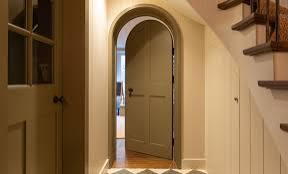
Last spring my neighbour Dave tore out every door in his Victorian semi. He swapped the stock slabs for ones a local joiner built from scratch. Half the street rolled their eyes at the bill. Now the same people knock on his door just to run a hand along the grain. So what is all the fuss about? Are bespoke internal doors a smart spend or a vanity project? Let’s work through it like two mates over a brew. I will give you the good and the bad and the sums.
What Does Bespoke Actually Mean?
Plenty of shops slap the word on anything with a fancy price tag. A true bespoke door starts with your opening and your taste. A joiner measures your frame by hand. You pick the timber and the profile and the finish. Nobody else on earth owns the same slab. Compare that with made to measure doors. Those take a stock design and trim it to fit. They are handy but they stay a cousin of the real thing. Off the shelf doors come in a handful of sizes and you shave or pad the gap. Old houses rarely sit square so the gap often looks ugly. A custom slab follows the crooked wall instead of fighting it. That alone wins many owners over.
Why Do People Choose Custom Designs?
Fit tops the list. Older homes have odd heights and warped frames and arches that no factory ever planned for. A joiner shapes a door to match each quirk. Style comes second. Maybe you want a reeded glass panel with a curved top. Maybe you crave a hidden door that looks like a bookcase. Stock catalogues rarely stretch that far. Then there is character. A hand built door carries tool marks and tiny choices that a machine never makes. Guests may not name what they feel. They just sense care. Many owners love the story too. They can tell visitors who made the thing and where the oak grew. Try saying that about a flat pack slab. Bespoke internal doors give a home a voice instead of a template.
How Much Do Custom Doors Really Cost?
Brace yourself. A solid oak door built to order can run three to five times the price of a catalogue model. Fancy glazing or a pivot hinge adds more. Throw in fitting and finishing and the total can sting. Prices swing with the timber and the size and the maker. Walnut costs more than ash. A tall double door costs more than a single. Hidden costs lurk as well. A joiner needs time to measure and more time to hang. Some makers ask for a deposit and a wait of eight to twelve weeks. Plan for that wait before your builder finishes the plaster. Ask for a written quote that lists every part. Hardware often sits outside the first number. One set of fine brass handles can add a few hundred pounds. When you budget for bespoke internal doors keep a ten percent buffer for surprises.
Do Custom Doors Add Value to a Home?
Buyers notice doors more than agents admit. Walk through a viewing and watch the hands. They touch the handles. They feel the weight. A solid door signals a house that someone loved. It will not double your sale price. No door can do that. Still it can tip a close decision. Picture two similar houses on one street. One has hollow white slabs from a big box store. The other has dense timber doors that close with a soft thump. Which one feels pricier? Most people point to the second. Valuers also look at the state of original features. If you keep period proportions in new custom work you protect that appeal. Treat the spend as a slow return and not a quick flip. You earn it back in daily pleasure and a smoother sale.
What Are the Downsides You Should Weigh?
Nothing in life comes perfect. Wait times test your patience. A rush job turns sour so you must plan ahead. Mistakes cost more too. If a joiner mismeasures a frame the slab may end up as scrap. Insist on a site visit before the cutting starts. Some makers vanish after the sale. Check reviews and ask to see finished work in a real home. Another snag is style lock in. A bold arched door with carved panels can date a house if trends shift. Pick shapes that age well. Timber also moves with the seasons. A maker who skips proper drying will hand you a door that sticks in August. Ask how long the boards rested in the kiln.
When Does Off the Shelf Make More Sense?
Be honest about your situation. A rental flat does not need hand carved oak. A quick refit before a sale seldom repays big spending. If your frames sit square and your budget runs tight then a good catalogue door with nice hardware does the job. Spend where eyes land. Hall and living room doors deserve the best you can afford. Cupboards and utility rooms can settle for plain stock. Some owners mix both. They commission three show doors and buy the rest standard. The hall looks grand and the bank account survives. That plan suits many families.
How Do You Find a Good Maker?
Start local. Joiners and small workshops often post their work on social feeds. Look at finished jobs and not only polished photos. Ask for two past clients you can call. A decent maker will hand over names without a fuss. Visit the workshop if you can. Smell the sawdust and check the stacks of drying timber. See how the team clamps and sands and sprays. Gather quotes from three makers. The lowest price may hide shortcuts and the highest may include a showy name. Pick the one who listens and sketches your idea and points out flaws before you spot them. Trust your gut. A maker who talks you out of a bad choice has earned your cash.
How Do You Care for Custom Doors?
Treat them like good furniture. Dust the panels each week with a soft cloth. Wipe marks with a damp rag and a touch of mild soap. Skip strong sprays since they eat the finish. Oil the hinges once a year. Keep the humidity steady because wild swings make timber swell and shrink. Book a quick check with the maker every few years to tune the fit. A door with this care gains a lovely patina. It can outlast a century of owners.
So Are They Worth It Today?
For many homes yes. If you own an older property with odd openings or you plan to stay for years then the answer leans strongly toward yes. You get fit and beauty and a daily touch of quality. If you plan a fast sale or run a tight budget then choose stock and put the savings into hardware. Weigh your own house and your own plans. Whichever way you go bespoke internal doors deserve a place on your shortlist. Take your time and you will pick well.
FAQs
How long does it take to make a custom door?
Most makers need eight to twelve weeks from the signed quote. Complex glazing or rare timber can stretch that. Order early so your project does not stall.
Is a custom door always solid wood?
No. Makers also build with engineered cores and veneers. These resist warping and cost less. Ask what sits inside the slab before you pay.
Can a custom door fit an old crooked frame?
Yes. A joiner measures each corner and cuts the slab to follow the real shape. That is the biggest perk for period homes.
Do custom doors need special hinges?
Heavy slabs need strong hinges or a third hinge for support. Pivot doors need a floor and head mount. Your maker will advise on the right set.
How can I keep the price down?
Pick a simple profile and a common timber like oak or ash. Limit custom work to the busiest rooms. Buy standard doors for cupboards and utility spaces.

 English
 Arabic
 French
 Spanish
 Portuguese
 Deutsch
 Turkish
 Dutch
 Italiano
 Russian
 Portuguese (Brazil)
 Greek
