

Understanding the Furniture Restoration Process From Start to Finish
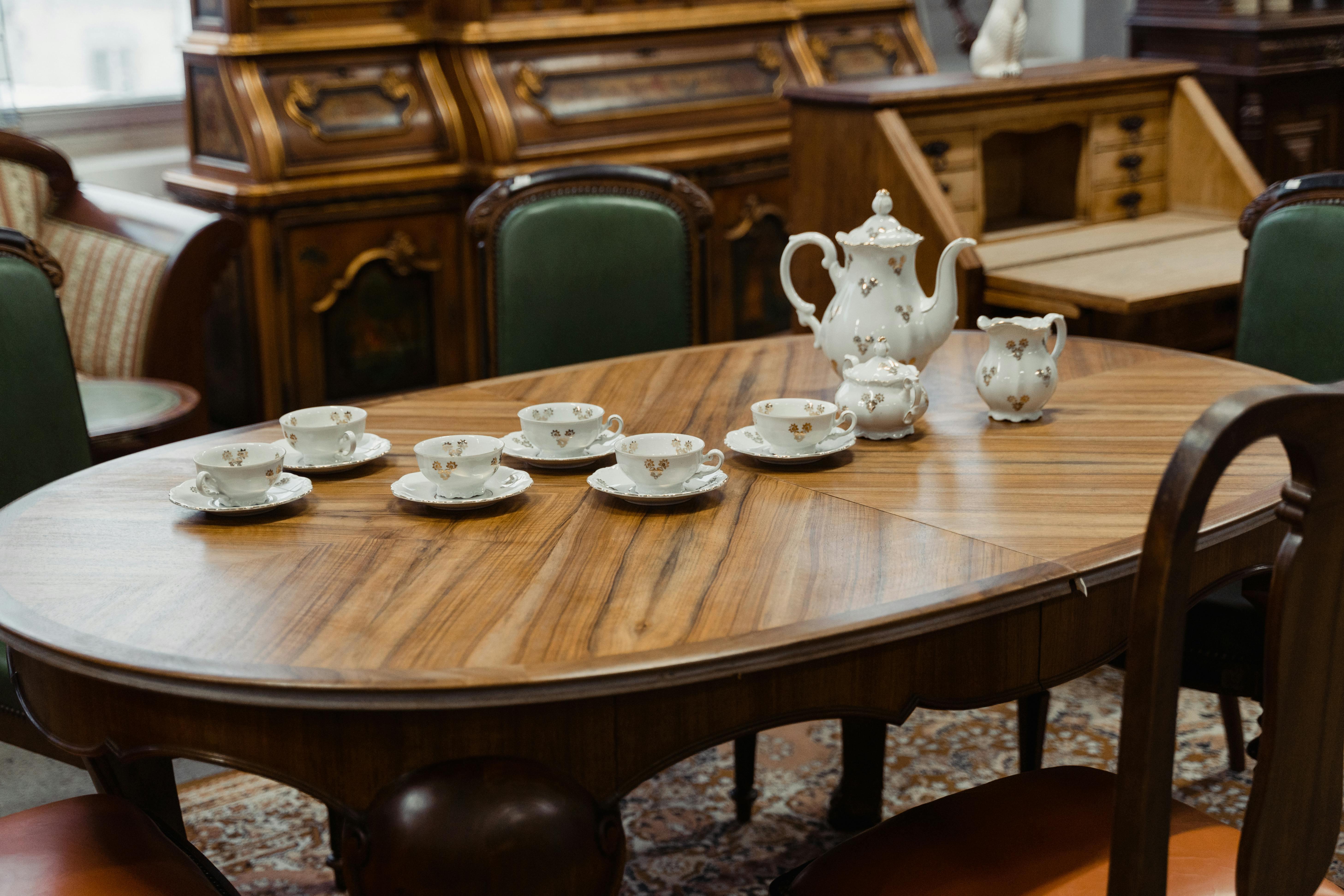
Investing in high-quality furniture is a commitment to style, comfort, and durability. However, even the finest solid wood dining tables, leather armchairs, and antique cabinets experience wear and tear over years of daily use. When a cherished piece begins to look tired, scratched, or structurally unstable, homeowners are often faced with the choice of discarding it or seeking professional restoration.
Understanding what goes into professional furniture restoration can demystify the craft and help you appreciate why expert care far outperforms quick, temporary fixes. For residents looking to revitalize their living spaces, partnering with a trusted furniture restoration service in Austin TX ensures that your favorite pieces receive the meticulous attention they deserve.
Here is a step-by-step look at the professional furniture restoration process from start to finish.
1. Initial Consultation and Comprehensive Assessment
Every successful restoration project begins with a thorough evaluation. No two pieces of furniture are identical, and understanding a piece’s history, materials, and current condition is vital.
-
Material Identification: Artisans examine the wood species (such as oak, walnut, mahogany, or cherry), the type of leather or fabric used, and the presence of any unique veneers or inlays.
-
Structural Inspection: The craftsman checks joints, frames, springs, and glued connections to identify hidden weaknesses, wobbles, or stress fractures.
-
Restoration Plan: Based on the assessment, the specialist discusses options with the homeowner, balancing aesthetic goals with structural needs to determine the most effective path forward.
2. Careful Disassembly and Safe Transport
To perform deep repairs without causing additional damage, the furniture must often be carefully disassembled.
-
Hardware Removal: Handles, hinges, drawer pulls, and decorative brass or iron accents are gently unscrewed and stored securely.
-
Component Separation: For complex pieces like dining tables, chairs, or multi-part cabinetry, individual legs, aprons, and frames are separated. This allows craftsmen to reach hidden joints, re-glue loose connections, and ensure uniform treatment across all surfaces.
3. Structural Repair and Frame Reinforcement
Aesthetics matter, but a piece of furniture must be structurally sound before any surface finishing begins. A gorgeous finish is useless if a chair collapses under weight or a table wobbles.
-
Joint Re-gluing: Old, brittle glue is cleaned out of mortise-and-tenon or dowel joints. High-grade, modern adhesives are applied, and the frame is clamped tightly to ensure a bond that is often stronger than the original factory construction.
-
Repairing Cracks and Splits: Splits in solid wood or structural breaks are reinforced using discreet internal splines, dowels, or specialized epoxy resins designed to restore load-bearing capabilities.
-
Spring and Support Restoration (Upholstery): For sofas and upholstered chairs, sagging webbing, broken coil springs, and degraded internal padding are repaired or replaced to restore proper ergonomic support and comfort.
4. Stripping Old Finishes and Surface Preparation
Once the structure is solid, the focus shifts to the surface. Over decades, furniture finishes accumulate layers of old wax, dirt, smoke residue, and degraded varnish.
-
Gentle Chemical Stripping: Artisans use specialized, low-toxicity stripping agents to dissolve old lacquers, varnishes, and paints without damaging the underlying wood grain.
-
Hand Sanding and Smoothing: Fine sanding removes lingering blemishes, minor scratches, water rings, and surface dents. Skilled craftsmen take great care during this phase to preserve delicate carvings, patinas, and original wooden edges.
5. Repairing Surface Imperfections (Dents, Gouges, and Scratches)
Even after stripping, deep gouges or impact dents may remain. This stage requires a sculptural touch.
-
Wood Filling and Patching: Deep gouges are filled using color-matched wood fillers or Dutchmen patches (where a matching piece of scrap wood is inlaid into a damaged area).
-
Veneer Repair: If a piece features bubbled, chipped, or missing veneer, craftsmen carefully lift, re-glue, or replace the damaged veneer sections to ensure a seamless, flush surface.
6. Staining, Coloring, and Custom Finishing
This is where science meets pure art. Achieving the exact color tone and sheen requires precise color matching and layering techniques.
-
Stain Application: Wood stain is applied to achieve the desired depth of color, accentuating the natural grain patterns of the hardwood.
-
Toning and Glazing: If a piece requires antique shading or sun-faded color correction, craftsmen use specialized toning techniques to blend repaired areas with the rest of the furniture.
-
Protective Topcoat: Multiple layers of high-grade protective finishes—such as conversion varnishes, lacquers, hand-rubbed oils, or durable polyurethanes are applied and hand-buffed between coats. This protects the wood from future moisture, UV fading, and everyday wear.
7. Reassembly, Hardware Restoration, and Final Inspection
With the finish fully cured, the piece enters its final phase.
-
Reassembly: All components are carefully reassembled using reinforced joints and secure fasteners.
-
Hardware Polishing: Original handles, hinges, and escutcheons are cleaned, polished, or restored to their original luster before being reattached.
-
Quality Control Check: The finished piece undergoes a rigorous final inspection for stability, finish consistency, smoothness, and overall visual appeal.
Bring Your Furniture Back to Life
Furniture restoration is far more than a simple repair job—it is an intricate art form that preserves history, saves money, and keeps valuable items out of landfills. Whether you are dealing with a wobbly antique heirloom, a sun-damaged dining set, or a worn leather sofa, understanding the process highlights why professional expertise is indispensable.
If you are looking to transform your tired home furnishings into stunning, durable centerpieces, relying on an experienced furniture restoration service in Austin TX is the ideal solution. Trust skilled hands to restore the beauty, renew the comfort, and protect the value of the furniture you love.

 English
 Arabic
 French
 Portuguese
 Deutsch
 Turkish
 Dutch
 Italiano
 Russian
 Romaian
 Portuguese (Brazil)
 Greek
