

What Makes a PRP Treatment Experience Worth Considering in Islamabad?
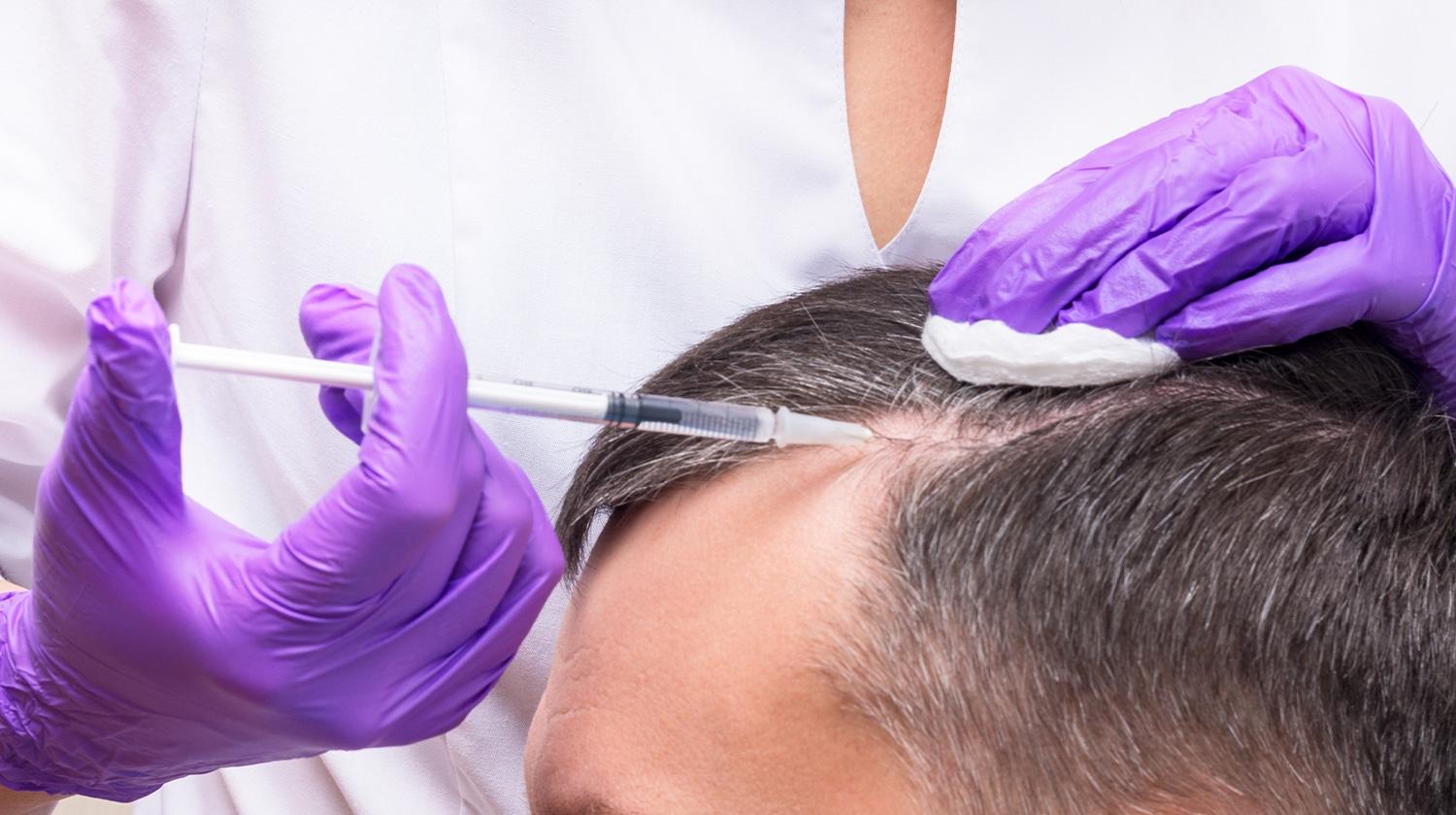
Choosing an aesthetic treatment is not just about finding a popular procedure. It is about understanding how the treatment works, whether it suits your concerns, and what kind of experience you can expect from the provider. Platelet-Rich Plasma (PRP) therapy has gained attention in aesthetic medicine because it uses components from a person's own blood to support selected skin and hair restoration treatments. However, the quality of the experience depends on more than the procedure itself.
For people exploring PRP in Islamabad, understanding practitioner expertise, consultation standards, treatment suitability, hygiene, and follow-up care can help them make a more informed decision. A worthwhile PRP experience should prioritize individual needs, realistic expectations, and patient safety rather than promising guaranteed results.
Understanding How PRP Treatment Works
PRP stands for Platelet-Rich Plasma. It is prepared by collecting a small blood sample and processing it in a centrifuge to separate platelet-rich plasma from other blood components.
Platelets contain growth factors and other biological substances involved in the body's natural healing processes. The prepared plasma may then be applied or injected into selected areas, depending on the treatment purpose.
PRP is commonly explored for:
-
Hair restoration: To support scalp health and address certain types of hair thinning.
-
Skin rejuvenation: To improve the appearance and texture of selected skin concerns.
-
Acne scars: As part of a broader treatment approach for certain types of scarring.
-
Skin quality: To support natural tissue repair and improve overall skin appearance.
PRP is not suitable for every individual or every concern. A professional assessment is important before proceeding.
Personalized Consultation Makes a Difference
A valuable PRP treatment experience begins with a detailed consultation. Every patient has different skin characteristics, hair concerns, medical history, and aesthetic expectations. Therefore, a standardized treatment approach may not be appropriate for everyone.
During an initial consultation, a qualified practitioner should:
-
Understand the patient's primary concerns and desired outcomes.
-
Review relevant medical history and current medications.
-
Examine the skin or scalp condition.
-
Determine whether PRP is an appropriate treatment option.
-
Explain possible benefits, limitations, and risks.
-
Discuss the expected treatment schedule and follow-up requirements.
This process helps patients understand whether PRP aligns with their needs. It also provides an opportunity to discuss alternative treatments when PRP may not be the most suitable option.
Practitioner Expertise and Treatment Knowledge
The professional performing or supervising PRP therapy plays an important role in the overall patient experience. Knowledge of anatomy, blood-processing procedures, injection techniques, and patient assessment contributes to responsible treatment planning.
Before selecting a provider, consider the following factors:
Professional qualifications: Check whether the practitioner has appropriate medical qualifications and experience relevant to the procedure.
PRP knowledge: The provider should understand preparation methods, treatment applications, and patient suitability.
Clear communication: Patients should receive understandable information about the procedure, possible side effects, and realistic outcomes.
Individualized planning: Treatment decisions should reflect the patient's concerns rather than follow a fixed package or promotional offer.
An experienced practitioner should also be comfortable explaining when PRP may not provide the results a patient expects.
Hygiene and Safety Standards During the Procedure
Because PRP involves blood collection and injections, hygiene and infection-control practices are essential. A professional treatment environment should follow appropriate medical safety protocols throughout the procedure.
Important safety considerations include:
-
Using sterile, single-use needles and appropriate collection equipment.
-
Maintaining clean surfaces and a hygienic treatment area.
-
Following proper blood-handling and processing procedures.
-
Using suitable protective equipment.
-
Disposing of medical waste responsibly.
-
Providing clear instructions about potential reactions and warning signs.
Patients should feel comfortable asking questions about equipment, sterilization, and the steps involved in preparing PRP. A trustworthy provider will explain these procedures rather than dismissing safety concerns.
Understanding Results and Setting Realistic Expectations
One of the most important aspects of a worthwhile PRP experience is having realistic expectations. PRP is not an instant solution, and individual responses can vary.
Results may depend on several factors, including:
-
The patient's overall health and individual biological response.
-
The condition being treated.
-
The severity of hair thinning or skin concerns.
-
The preparation and application technique.
-
The number and spacing of recommended sessions.
-
Other treatments included in the patient's care plan.
Some patients may require multiple sessions, while others may not be suitable candidates. PRP cannot guarantee hair regrowth, complete scar removal, or dramatic skin rejuvenation.
A responsible practitioner should explain these limitations before treatment begins.
Why Aftercare and Follow-Up Matter
The treatment experience does not end when the PRP procedure is completed. Proper aftercare and follow-up help patients understand how to manage the treated area and when to seek professional advice.
Depending on the treatment area and individual instructions, aftercare may include:
-
Avoiding unnecessary touching or rubbing of the treated area.
-
Following specific scalp or skincare instructions.
-
Avoiding strenuous activities for the period advised by the practitioner.
-
Using recommended products only when appropriate.
-
Attending scheduled follow-up appointments.
-
Reporting unusual pain, increasing redness, swelling, or signs of infection.
Follow-up appointments also allow the practitioner to assess progress and determine whether further treatment is appropriate.
Choosing SKN Cosmetics for a PRP Treatment Consultation
Selecting a clinic is an important step when exploring aesthetic procedures. Patients should look for a professional environment where consultation, treatment suitability, hygiene, and aftercare receive appropriate attention.
SKN Cosmetics in Islamabad is an option patients can explore when researching PRP treatment and other aesthetic services. Before making a decision, prospective patients should arrange a consultation to discuss their specific concerns, understand the available treatment approach, and ask about practitioner qualifications, PRP preparation, safety protocols, and expected outcomes.
A good treatment experience should be based on transparent communication and an individualized plan. Patients should feel informed and comfortable before deciding whether to proceed.
Making an Informed Decision About PRP Treatment
A worthwhile PRP treatment experience involves much more than the procedure itself. It combines professional assessment, suitable treatment planning, hygienic practices, realistic expectations, and consistent aftercare.
People considering PRP in Islamabad should take time to compare providers, understand the procedure, and ask relevant questions during consultations. Rather than choosing a clinic based only on promotional claims or low prices, prioritize medical expertise, patient safety, and clear communication. Making an informed choice can help you approach PRP treatment in Islamabad with greater confidence and a better understanding of what the procedure may offer.
Frequently Asked Questions
Q1. What is PRP treatment used for?
PRP is commonly used for selected hair restoration and skin rejuvenation concerns.
Q2. Is PRP treatment suitable for everyone?
No. Suitability depends on medical history, health conditions, and treatment goals.
Q3. How many PRP sessions are required?
The number varies according to the patient's condition and practitioner recommendations.
Q4. Is PRP treatment painful?
Some discomfort, tenderness, or mild swelling may occur during or after treatment.
Q5. How long does PRP treatment take to show results?
Results vary by individual and treatment area. Improvement, when it occurs, may take several weeks or months.

 English
 Arabic
 French
 Spanish
 Portuguese
 Deutsch
 Turkish
 Dutch
 Italiano
 Romaian
 Portuguese (Brazil)
 Greek
