

Does Eyelid Surgery Leave Visible Scars?
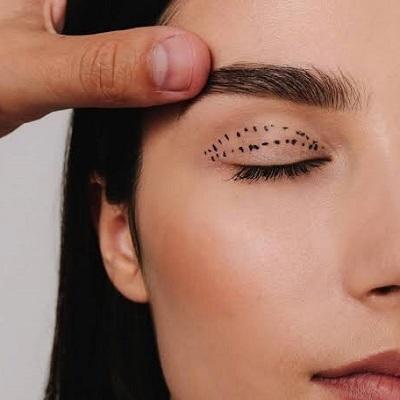
Eyelid surgery, also known as blepharoplasty, is a popular procedure for improving the appearance of the upper and lower eyelids. It is commonly performed to remove excess skin, reduce under-eye bags, and create a more refreshed facial appearance. While many individuals are interested in the cosmetic benefits of this procedure, one concern often comes up before surgery: Will eyelid surgery leave visible scars?
Scarring is a natural part of the body's healing process. Any surgical procedure involving an incision can leave a scar, but the visibility of that scar depends on several factors, including the surgical technique, incision placement, skin quality, and individual healing characteristics.
The good news is that eyelid surgery is generally designed to keep incisions in naturally concealed areas. With appropriate surgical planning and aftercare, scars often become faint and difficult to notice once healing is complete.
For individuals researching Eyelid Surgery in Muscat, understanding how scars develop, where incisions are placed, and what can help improve scar healing can make the decision-making process easier. This guide explains what to expect before and after surgery, along with practical ways to support healthy recovery.
1. Does Eyelid Surgery Leave Scars?
Yes, eyelid surgery can leave scars because the procedure involves making small incisions in the skin. However, these scars are usually strategically positioned to make them as discreet as possible.
The eyelid area has relatively thin skin and generally heals well when the surgical technique is appropriate and the incisions are properly cared for.
In upper eyelid surgery, incisions are commonly placed within the natural crease of the eyelid. Once healing progresses, the resulting scar often blends with the existing fold and becomes difficult to distinguish.
For lower eyelid surgery, the incision location depends on the individual's concerns and the technique being used. Some procedures involve an incision just beneath the lower eyelashes, while others use an incision inside the lower eyelid.
These approaches help minimise visible external scarring.
It is important to understand that scar visibility varies from person to person. Some individuals develop very fine, barely noticeable lines, while others may experience more noticeable redness or thickening during the healing process.
Several factors can influence the final appearance, including:
-
Individual skin type and healing ability.
-
Genetic tendency to develop prominent scars.
-
Surgical technique and incision placement.
-
The amount of skin removed or tissue repositioned.
-
Infection or wound-healing complications.
-
Sun exposure during the healing period.
-
Smoking and nicotine use.
Therefore, while eyelid surgery is designed to minimise visible scarring, no surgical procedure can guarantee a completely scar-free result.
2. Where Are the Incisions Placed During Eyelid Surgery?
Incision placement plays a major role in determining how noticeable a scar may become. Because the eyelids have natural folds and discreet anatomical areas, surgeons can often position incisions where they are less likely to attract attention.
The technique depends on whether the individual requires upper eyelid surgery, lower eyelid surgery, or both.
Upper Eyelid Surgery
During upper eyelid blepharoplasty, an incision is generally made within the natural crease of the upper eyelid.
Through this incision, excess skin can be removed, and underlying tissue may be adjusted when necessary.
Once the incision heals, the scar usually follows the natural eyelid fold. When the eyes are open, it is often concealed within the crease.
Potential benefits of this incision placement include:
-
A discreet scar location.
-
Improved definition of the upper eyelid crease.
-
Removal of excess skin.
-
A more refreshed appearance.
However, careful planning is essential. Removing too much skin or placing the incision incorrectly may affect eyelid function and appearance.
Lower Eyelid Surgery
Lower eyelid surgery may involve one of two common incision approaches.
An external incision, known as a subciliary incision, is placed just beneath the lower eyelashes. It allows access to excess skin and underlying tissue when necessary. The resulting scar is generally positioned close to the lash line.
Another approach is transconjunctival blepharoplasty, in which the incision is made inside the lower eyelid. This technique is often suitable for individuals who need treatment for prominent fat deposits but do not have significant excess skin.
Because the incision is inside the eyelid, there is no external skin scar from this approach.
The choice of technique depends on eyelid anatomy, skin elasticity, the amount of excess tissue, and the individual's treatment goals.
3. How Do Eyelid Surgery Scars Change During Recovery?
Scars do not develop their final appearance immediately after surgery. They pass through several healing stages, and their appearance can change considerably over time.
Individuals considering Eyelid Surgery in Muscat should understand that early redness or visible incision lines do not necessarily indicate poor healing.
First Week: Initial Wound Healing
During the first week, the incision area may appear red, slightly swollen, or tender. Small amounts of bruising around the eyes are also common.
At this stage, the body is beginning to repair the tissues, and the incision line may look more noticeable than it will later.
Following wound-care instructions is especially important during this period.
Weeks 2–4: Early Scar Development
As swelling and bruising decrease, the incision lines may become easier to see. Some individuals notice mild redness, firmness, or slight unevenness around the surgical area.
These changes are generally part of normal healing.
The skin gradually begins strengthening, although the scar tissue is still developing.
Months 2–3: Gradual Fading
Over the following months, scars often begin to soften and become less noticeable. Redness may decrease, and the incision line can start blending more naturally with the surrounding skin.
The final appearance depends on individual healing and the surgical technique.
Months 6–12: Scar Maturation
Scar maturation can continue for six months to a year or sometimes longer. During this stage, the scar may become flatter, softer, and closer to the surrounding skin tone.
Although many eyelid scars become very discreet, their appearance can vary, and some individuals may retain a faint visible line.
Patience is essential because scar development is a gradual biological process.
4. What Factors Affect the Visibility of Eyelid Surgery Scars?
Not everyone heals in exactly the same way. Two individuals undergoing similar procedures may develop scars with noticeably different appearances.
Understanding the factors that influence healing can help individuals prepare for surgery and take steps to support better outcomes.
Skin Type and Genetics
Genetics can influence how the body produces collagen during wound healing. Some individuals naturally develop fine scars, while others have a greater tendency toward raised or thickened scar tissue.
A history of hypertrophic scars or keloids should be discussed before surgery.
Age and Skin Quality
Skin elasticity, circulation, and general tissue health can affect recovery. Although eyelid surgery is commonly performed on adults experiencing age-related changes, individual healing characteristics are more important than age alone.
Surgical Technique
Precise incision placement and careful tissue handling are important for minimising scar visibility. The amount of skin removed must also be appropriate to avoid excessive tension during closure.
Lifestyle Habits
Smoking and nicotine use can reduce blood flow and interfere with wound healing. Poor nutrition and inadequate recovery care may also affect the healing process.
Sun Exposure
Healing scars can be more vulnerable to ultraviolet exposure. Excessive sunlight may contribute to prolonged redness or unwanted pigmentation.
Wound Care
Infection, repeated irritation, and unnecessary pressure on the incision area can interfere with healing. Following postoperative instructions helps reduce avoidable complications.
These factors highlight why surgical planning and proper recovery care are both essential for achieving a discreet scar.
5. How Can Individuals Minimise Visible Scars After Eyelid Surgery?
Although scar formation cannot be completely prevented, certain habits can support healthy healing and improve the appearance of the incision over time.
Individuals undergoing eyelid surgery should follow the aftercare plan provided by their surgical professional rather than relying on unverified home remedies.
Here are several important recommendations.
Follow Incision-Care Instructions
The surgical area should be cleaned and cared for according to the recommended instructions. Individuals should avoid applying unapproved creams, oils, or skincare products directly to healing incisions.
Avoid Rubbing or Pulling the Eyelids
The skin around the eyes is delicate. Rubbing, scratching, or pulling the incision area can irritate healing tissue and interfere with recovery.
Protect the Healing Skin From Sunlight
Sunglasses and appropriate sun protection can help reduce ultraviolet exposure. Sunscreen should only be applied around the surgical area once the incision has healed sufficiently and the medical professional confirms that it is safe.
Maintain a Balanced Diet
A nutritious diet containing adequate protein, vitamins, and minerals supports the body's normal tissue-repair processes.
Avoid Smoking
Smoking and nicotine can negatively affect circulation and wound healing. Avoiding them before and after surgery, according to medical guidance, can support recovery.
Use Scar Treatments Only When Recommended
Some scar-management products, including silicone-based treatments, may be useful for certain types of scars. However, the eyelid area is particularly sensitive, and these products should only be used when specifically recommended for the location and stage of healing.
Attend Follow-Up Appointments
Regular check-ups allow the surgical professional to assess incision healing and identify concerns such as excessive redness, thickening, or delayed wound closure.
If a scar becomes increasingly painful, swollen, warm, or begins producing discharge, medical assessment is important.
6. Can Eyelid Surgery Scars Be Treated if They Remain Visible?
In most cases, eyelid surgery scars gradually become less noticeable without requiring additional treatment. However, some individuals may experience persistent redness, thickening, unevenness, or pigmentation around the incision.
When this happens, a medical assessment can help determine the reason and identify an appropriate solution.
Depending on the type of scar, possible approaches may include:
Silicone-Based Scar Management
Silicone gels or sheets may help improve certain raised scars by supporting hydration and regulating the scar environment. Their use around the eyes requires professional guidance because of the sensitive location.
Laser Treatments
Selected laser procedures may help improve persistent redness, pigmentation, or certain scar-texture concerns. Treatment suitability depends on skin type, scar characteristics, and healing stage.
Medical Scar Treatments
Certain raised or thickened scars may require specialised treatment. The appropriate approach depends on the extent of the scar and its effect on eyelid movement or appearance.
Surgical Scar Revision
In uncommon cases, a noticeable scar or an issue related to incision healing may require surgical correction. This is generally considered only after adequate healing and careful assessment.
It is important to remember that additional treatment is not always necessary. A faint scar that is still maturing may continue improving naturally over time.
Frequently Asked Questions (FAQs)
1. Are eyelid surgery scars permanent?
Yes, an incision generally leaves a permanent scar because the skin undergoes surgical healing. However, eyelid scars are usually placed in discreet locations and often become very faint over time. Their final appearance varies between individuals.
2. How long does it take for eyelid surgery scars to fade?
Initial redness may improve over several weeks, while scars often continue becoming softer and less noticeable over six to twelve months. Some individuals may require additional time for complete scar maturation.
3. Are upper eyelid surgery scars visible when the eyes are open?
Upper eyelid incisions are generally placed within the natural eyelid crease. Once healed, the scar is often concealed when the eyes are open, although visibility varies according to individual anatomy and healing.
4. Does lower eyelid surgery leave external scars?
It depends on the technique. An external incision beneath the lower eyelashes can leave a fine scar, while a transconjunctival approach uses an incision inside the lower eyelid and does not create an external skin scar.
5. Can makeup hide eyelid surgery scars?
Makeup may help conceal healed incision lines once the skin has recovered sufficiently. However, cosmetics should not be applied to fresh incisions or unhealed skin. The timing should be confirmed during follow-up.
6. What can make eyelid surgery scars more noticeable?
Factors such as genetics, infection, delayed wound healing, excessive incision tension, smoking, and ultraviolet exposure may affect scar appearance. Appropriate surgical planning and postoperative care can help reduce avoidable risks.
Final Thoughts
Eyelid surgery can leave scars, but they are generally designed to be as discreet as possible. Upper eyelid incisions are commonly hidden within natural creases, while lower eyelid techniques may use either a discreet external incision or an internal approach without an external skin scar.
For individuals considering Eyelid Surgery in Muscat, understanding scar placement, healing stages, and aftercare requirements can help establish realistic expectations. Although individual results vary, proper surgical planning and responsible postoperative care can support healthy healing and minimise scar visibility.
Ultimately, the goal of blepharoplasty is to improve the appearance or function of the eyelids while preserving natural facial features. A detailed consultation and personalised treatment plan can help individuals understand the most suitable approach for their needs.
Read More About Eyelid Surgery in Muscat: https://fakebook.com.br/blogs/6044/How-Long-Do-the-Results-of-Eyelid-Surgery-Last

 English
 Arabic
 French
 Spanish
 Portuguese
 Deutsch
 Turkish
 Dutch
 Russian
 Romaian
 Portuguese (Brazil)
 Greek
