

How Surgeons Approach Fat Deposits Around Existing Body Curves
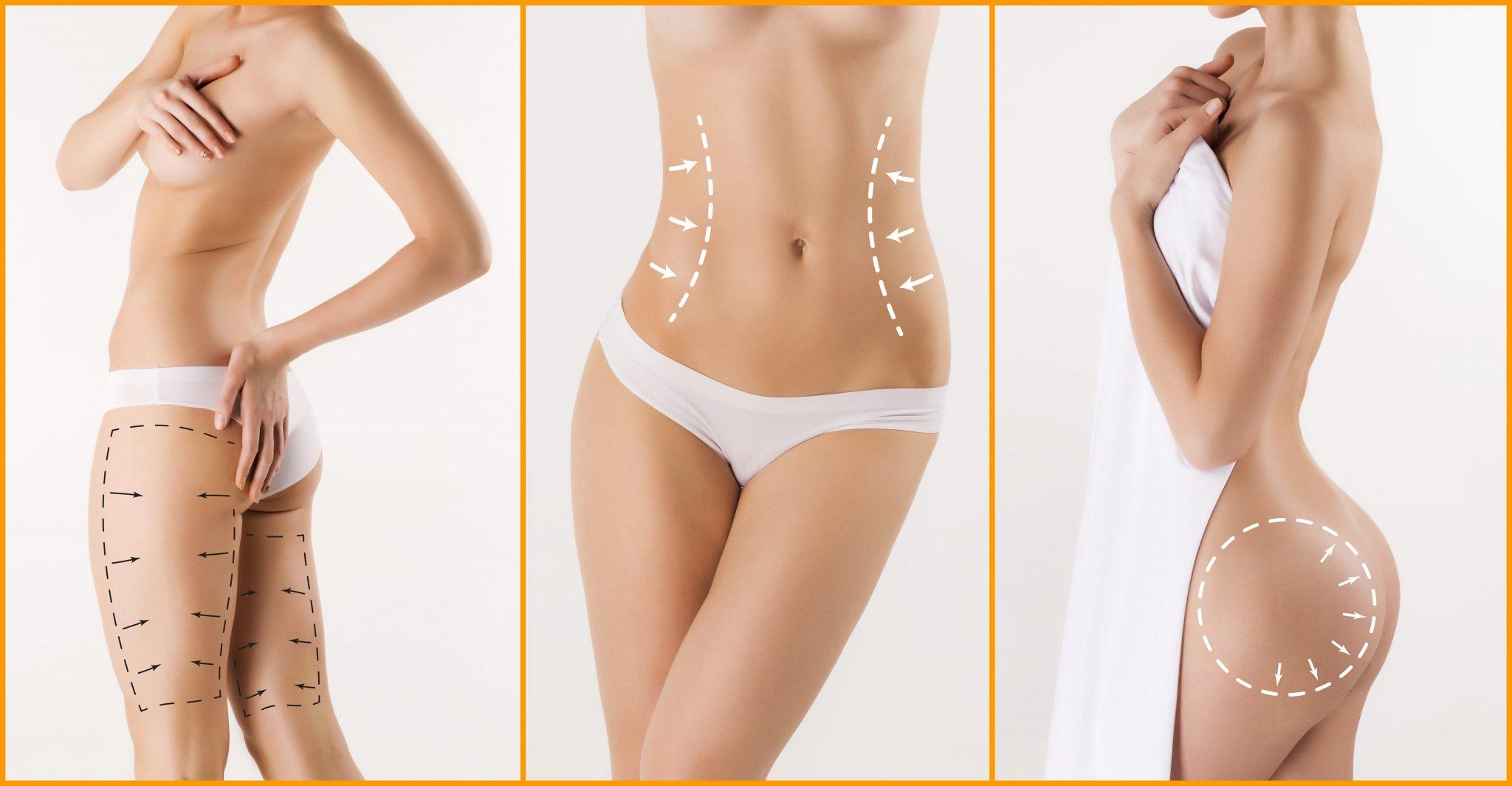
Body contouring is not simply about removing as much fat as possible. The position of a fat deposit, its relationship with nearby curves, skin quality, and a person's natural proportions all influence how a surgeon approaches treatment. For people considering Liposuction In Islamabad, understanding this principle can make it easier to appreciate why a personalized surgical plan is important. Liposuction is designed to reshape specific areas and improve body proportions rather than serve as a general weight-loss procedure.
Why Existing Body Curves Matter in Liposuction
Every person's body has a naturally occurring pattern of curves. The waist may narrow before widening toward the hips, the abdomen may transition into the pubic region, and the back may gradually curve toward the waist.
Fat deposits sit within this existing framework. If a surgeon focuses only on the most noticeable pocket without considering nearby contours, the final appearance may look less balanced.
Modern body contouring therefore emphasizes proportion, smooth transitions, and anatomical awareness. The aim is generally to reduce unwanted fullness while preserving enough tissue to maintain a natural-looking shape.
Surgeons First Assess the Overall Silhouette
Before deciding where and how much fat to remove, a surgeon typically evaluates the body as a whole.
The assessment may include the abdomen, waist, flanks, hips, back, thighs, and other neighboring regions depending on the patient's concerns. This helps identify whether one fat deposit is creating the appearance of disproportion or whether several areas contribute to the overall silhouette.
For example, reducing fullness around the waist may make the abdomen appear more prominent if the abdominal area is not considered during planning. Similarly, treating the outer hip area without assessing the upper thigh may create an abrupt transition.
The goal is not necessarily to treat every neighboring area. Rather, the surgeon determines which areas actually need attention to create a harmonious result.
Fat Deposits Are Not All the Same
Localized fat can differ in thickness, density, and distribution.
Some deposits may be relatively superficial and easy to identify, while others may blend gradually into surrounding tissue. A surgeon must distinguish between unwanted fat and tissue that contributes to the body's natural structure.
This is one reason aggressive fat removal is not always desirable. The American Society of Plastic Surgeons notes that natural-looking contouring depends on factors beyond fat removal, including how the skin responds after surgery. Excessive removal can potentially contribute to irregularities or emphasize loose skin.
The Importance of Skin Elasticity
Skin elasticity is one of the major considerations when planning liposuction around body curves.
After fat is removed, the skin needs to adapt to the underlying contour. Firm, elastic skin may conform more effectively, whereas loose or poorly elastic skin may not contract as much.
Surgeons may assess:
- Skin firmness
- Stretch marks
- Previous major weight loss
- Age-related skin changes
- Skin thickness
- Existing laxity
- The expected degree of skin retraction
If substantial loose skin is present, liposuction alone may not provide the desired result. A surgeon may discuss whether a skin-tightening or lifting procedure would be more appropriate.
How Surgeons Preserve Natural Transitions
One of the most important concepts in contouring is creating a gradual transition between treated and untreated areas.
Consider the waist and hip region. The surgeon may not simply remove fat from a single horizontal section. Instead, the treatment may be planned around the natural curvature of the torso.
The same principle applies to the abdomen and flanks. Removing fat selectively can help create definition while avoiding a sharply demarcated boundary.
This approach is particularly important because the human eye notices changes in contour. A smooth transition can make a result appear more natural than simply achieving a smaller measurement.
Body Proportions Influence the Treatment Plan
Two people with similar amounts of fat can require completely different approaches.
A person with a narrow waist and relatively prominent hips may need a different contouring strategy from someone with a broader torso and less pronounced hip definition.
Similarly, a tall person with a long torso may have different aesthetic proportions from a shorter person. The surgeon therefore considers the individual's frame rather than relying on a standardized amount of fat removal.
The objective is to work with the existing body structure, not attempt to replace it.
Common Areas Where Curves Need Special Attention
| Treatment Region | Important Consideration |
|---|---|
| Abdomen | Overall abdominal shape and skin elasticity |
| Flanks | Transition between waist, abdomen, and back |
| Hips | Relationship with waist and outer thighs |
| Lower back | Smooth connection with the waist and hips |
| Inner thighs | Symmetry and transition toward the knees |
| Outer thighs | Relationship with the hips and buttocks |
| Upper arms | Skin quality and surrounding proportions |
Liposuction can be used for localized deposits in areas such as the abdomen, waist, hips, back, and thighs, but suitability depends on individual anatomy and goals.
Why Surgeons May Leave Some Fat Behind
Patients sometimes assume that the best result comes from removing every possible fat cell. In reality, controlled reduction is generally more important than maximum reduction.
Some subcutaneous fat provides a transition between different anatomical areas. Removing too much can potentially create hollows, unevenness, or an unnatural contour.
The American Society of Plastic Surgeons specifically highlights the importance of avoiding excessive fat removal, particularly where skin support is reduced.
This means a surgeon may intentionally preserve certain areas or layers of fat to maintain smoothness and proportion.
Symmetry Is Another Important Consideration
Human bodies are rarely perfectly symmetrical. One side of the abdomen, waist, hip, or flank may naturally contain more fullness than the other.
During preoperative planning, surgeons may mark different areas independently rather than assuming both sides require exactly the same treatment.
The objective is visual balance, not necessarily identical fat removal from each side.
This distinction is important because equal treatment does not always produce equal-looking results when the starting anatomy is different.
How Patient Goals Affect Surgical Planning
A patient's desired outcome also matters.
Some people want subtle refinement and a more defined waist. Others may want broader body sculpting involving several regions.
During consultation, the surgeon can discuss what is realistically achievable based on the person's anatomy. Liposuction can improve body contours, but it cannot completely change skeletal structure or create curves that are not supported by the underlying anatomy.
Clear communication helps ensure that the treatment plan matches realistic expectations.
What Happens During the Assessment?
A consultation generally involves a physical examination and discussion of medical history, previous procedures, weight changes, lifestyle factors, and aesthetic goals.
The surgeon may evaluate the body from multiple angles and identify areas of localized fat. Photographs or measurements may also be used to document the starting point and support treatment planning.
According to ASPS, understanding anatomy—including the layers of fat and underlying muscle and tendon structures—is important when planning liposuction.
This detailed assessment helps determine whether liposuction alone is appropriate or whether another body-contouring procedure may be more suitable.
Liposuction and Body Weight
It is important to understand that liposuction is primarily a contouring procedure rather than a weight-loss treatment.
People who are relatively close to their healthy or goal weight and have localized fat deposits may be considered better candidates than those seeking substantial overall weight reduction.
Maintaining a stable weight after treatment can also help preserve the resulting contours.
What Can Patients Expect From Recovery?
Swelling, bruising, tenderness, and temporary changes in sensation can occur after liposuction. These effects can make the treated area look different during the early healing period.
The developing contour becomes easier to appreciate as swelling decreases. Patients should follow their surgeon's instructions regarding compression garments, physical activity, wound care, medication, and follow-up appointments.
Recovery varies depending on the number and size of areas treated and the technique used.
Frequently Asked Questions
Can liposuction improve my natural body curves?
Liposuction can refine localized fat deposits and may make existing curves more visible. However, it cannot fundamentally change bone structure or guarantee a particular body shape.
Why isn't removing more fat always better?
Excessive fat removal can contribute to contour irregularities and may make loose skin more noticeable. Natural-looking results generally depend on controlled and proportionate reduction.
Can surgeons treat several curved areas during one procedure?
Multiple areas may sometimes be treated during the same surgical session, but this depends on the patient's health, treatment extent, surgical safety considerations, and the surgeon's assessment.
What if I have loose skin?
Liposuction primarily removes fat and does not reliably correct significant loose skin. Depending on the degree of laxity, a surgeon may discuss skin-tightening or lifting options.
Will liposuction change my entire body shape?
It can refine selected areas and improve proportions, but the final result remains influenced by your natural frame, muscle structure, skin quality, and fat distribution.
How do I know whether I am a suitable candidate?
A qualified plastic surgeon should assess your health, weight stability, skin elasticity, fat distribution, anatomy, and expectations before recommending treatment.
Conclusion
Approaching fat deposits around existing body curves requires precision rather than simply removing the largest possible amount of fat. A thoughtful plan considers the relationship between the abdomen, waist, flanks, hips, back, skin quality, and overall body proportions. If you are considering Liposuction In Islamabad, an individualized consultation can help determine whether targeted fat removal is appropriate for your anatomy and aesthetic goals. Dynamic Clinic Pk provides body-contouring services in Islamabad, and its published information emphasizes personalized assessment and treatment planning.

 Arabic
 French
 Spanish
 Portuguese
 Deutsch
 Turkish
 Dutch
Dutch
 Italiano
 Russian
 Romaian
 Portuguese (Brazil)
 Greek
Greek
