

Chemical Peel Recovery: What Is Normal and What Needs Medical Attention?
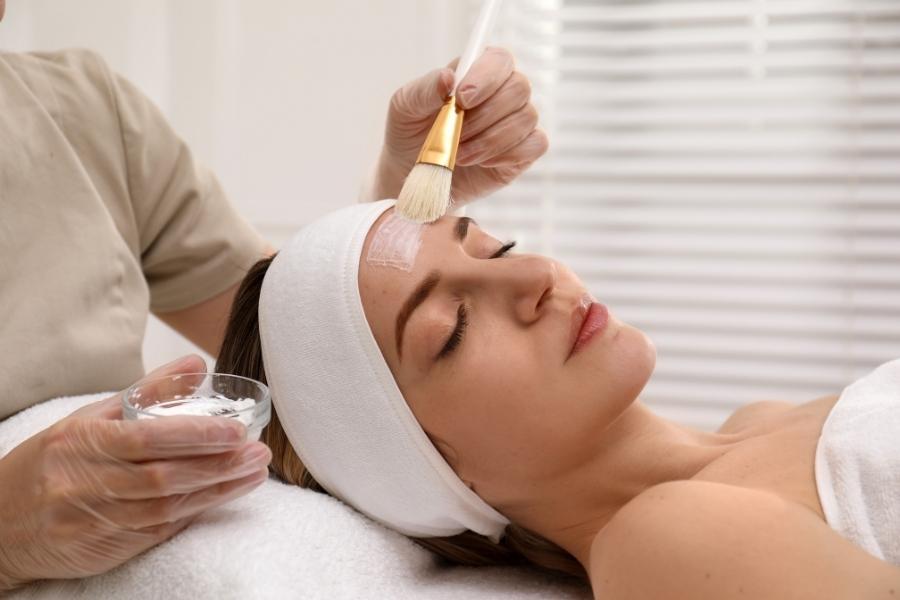
A chemical peel can help improve uneven skin tone, acne marks, rough texture, and dullness. But once the treatment is over, many people start wondering whether the redness, dryness, or peeling they notice is part of normal recovery or a sign that something is wrong.
Understanding the healing process helps you care for your skin with confidence. If you are considering Chemical Peel In Islamabad, it is important to know that recovery varies according to the peel's depth, ingredients, and your individual skin condition. Some temporary reactions are expected, but certain symptoms should never be ignored.
What Happens to Your Skin After a Chemical Peel?
A chemical peel uses a selected solution to exfoliate the skin in a controlled way. This encourages the outer layers to shed and allows new skin to develop as the treated area heals.
After treatment, your skin may feel tight, warm, dry, or slightly sensitive. These reactions are generally more noticeable after stronger peels and may last longer depending on the treatment.
Recovery is a gradual process, not an overnight transformation. Superficial peels usually involve milder reactions, while medium or deep peels can require more careful aftercare and a longer healing period.
What Is Normal During Chemical Peel Recovery?
Mild redness, dryness, tightness, and light flaking are common after many chemical peels. These symptoms usually settle as the skin recovers, although the timing differs from person to person.
You may also notice that your skin looks slightly darker or feels rough before the peeling process finishes. This can happen with some formulations, but any unexpected or worsening change should be discussed with your treating clinician.
A little discomfort does not automatically mean the treatment has gone wrong. What matters is whether symptoms remain mild and improve rather than becoming increasingly painful or inflamed.
Chemical Peel Recovery Timeline: What to Expect
The recovery timeline depends on the depth of the peel and the formulation used. The following is a general guide, not a fixed schedule for every patient.
| Recovery stage | Possible normal changes |
|---|---|
| First 24 hours | Mild redness, warmth, tightness, or sensitivity |
| Days 2–3 | Dryness, flaking, or more noticeable peeling |
| Days 4–7 | Gradual shedding and improvement in surface discomfort |
| Following weeks | Skin continues settling and results become easier to assess |
With a superficial peel, visible recovery may be relatively quick. Medium and deep peels can involve more significant peeling, redness, and downtime.
Your clinician's instructions should take priority over a general timeline. If your skin is healing more slowly than expected, contact the clinic rather than trying to speed up the process yourself.
Which Symptoms Need Medical Attention?
Not every reaction after a peel is harmless. Severe or worsening symptoms may indicate an adverse reaction, infection, or skin injury that needs professional assessment.
Contact your treating clinician promptly if you experience:
-
Severe or increasing pain: Discomfort that becomes intense or does not improve should be assessed.
-
Blistering or open wounds: These are not symptoms to manage by peeling or rubbing the skin.
-
Significant swelling: Particularly if it worsens or affects the area around your eyes.
-
Pus or spreading redness: These may indicate infection, especially when accompanied by warmth or tenderness.
-
Fever or feeling unwell: Seek medical advice if these symptoms occur alongside changes in the treated skin.
-
Unexpected dark or pale patches: Sudden or worsening colour changes may need assessment to identify the cause.
Do not wait for a scheduled follow-up if serious symptoms develop. Seek urgent medical care for difficulty breathing, facial or throat swelling, or rapidly worsening symptoms.
Why Can Chemical Peel Recovery Become Complicated?
Several factors can affect how your skin responds after treatment. Using a peel that is too strong, applying it incorrectly, or treating skin that is already irritated can increase the risk of complications.
Picking or pulling peeling skin can also damage the healing surface. This may increase inflammation, cause infection, or leave behind additional pigmentation.
People with sensitive skin or a tendency to develop post-inflammatory hyperpigmentation need particularly careful treatment selection. A more aggressive peel is not necessarily a better peel, especially for Pakistani skin tones that may be prone to dark marks after irritation.
How to Care for Your Skin After a Chemical Peel
Good aftercare helps protect the skin while it heals. Your exact routine should follow the instructions provided by the professional who performed the treatment.
Cleanse gently using a mild product and avoid scrubbing or rubbing the treated area. Apply a suitable moisturiser to reduce dryness and support the skin barrier.
Sun protection is essential, particularly in Islamabad, where outdoor exposure can contribute to pigmentation. Use a broad-spectrum sunscreen with SPF 30 or higher and reapply as directed.
Avoid removing peeling skin yourself. Let it shed naturally, even if the flakes look uneven or feel uncomfortable. Do not use strong exfoliating products, retinoids, or acne treatments again until your clinician confirms that it is safe.
What Should You Avoid During Recovery?
Your skin may be more vulnerable to irritation after a chemical peel, so keeping your routine simple is usually best. Avoid experimenting with new skincare products while the treated area is healing.
Hot showers, steam rooms, intense heat, and strenuous activities that cause excessive sweating may aggravate discomfort for some patients. Follow your clinician's advice about when to resume these activities.
Avoid waxing, facial scrubs, at-home peels, and other exfoliating procedures until your skin has recovered. Giving your skin enough time to heal is part of the treatment, not a delay in achieving results.
Does Recovery Differ Between Superficial and Deep Peels?
Yes. Superficial peels generally affect the outermost layers of skin and often involve mild redness or flaking. Many people can return to normal activities relatively quickly, depending on their response.
Medium-depth peels reach further into the skin and may cause more noticeable redness, peeling, and downtime. Deep peels involve more extensive treatment and require careful medical supervision and follow-up.
The deeper the peel, the more important professional monitoring becomes. Before choosing a treatment, ask about expected recovery, possible complications, and the support available if your skin does not heal as expected.
When Should You Contact Your Clinic for a Follow-Up?
A follow-up appointment allows your clinician to check whether your skin is recovering as expected. It is also an opportunity to discuss persistent redness, dryness, sensitivity, or pigmentation changes.
If you are unsure whether a symptom is normal, it is better to ask than to rely on online advice or home remedies. Share clear photographs if your clinic offers remote follow-up, but do not delay urgent assessment when symptoms are severe.
Early advice can help prevent a manageable problem from becoming more serious. Keep the clinic's contact details available after your treatment.
Frequently Asked Questions
How long does chemical peel redness last?
Mild redness may settle within a few days after a superficial peel. Stronger peels can cause redness for longer, so follow your clinician's recovery guidance.
Is peeling skin a good sign?
Light flaking can be part of normal recovery, but heavy peeling is not proof that a peel has worked better. Never pull or scrub the skin to encourage shedding.
Can I wash my face after a chemical peel?
Usually, gentle cleansing is possible according to the treatment instructions. Use lukewarm water and a mild cleanser rather than hot water or abrasive products.
When can I use makeup again?
Wait until your skin has recovered sufficiently and your clinician confirms that makeup is appropriate. Applying cosmetics to irritated or broken skin may worsen discomfort.
Choose Professional Care for Safer Recovery
A successful chemical peel involves more than the treatment itself; proper assessment, realistic expectations, and careful aftercare all matter. Dynamic Aesthetic Clinic offers professional skin consultations and advanced aesthetic techniques to help patients choose suitable treatments and understand their recovery requirements. With experienced clinicians, board-certified surgeons, and personalised guidance, the clinic can help you approach chemical peel treatment with greater confidence.
Meta Description: Chemical Peel In Islamabad recovery guide: learn normal healing signs, aftercare tips, warning symptoms, and when to seek medical attention.

 English
 French
 Spanish
 Portuguese
 Deutsch
 Turkish
 Dutch
 Italiano
 Russian
 Romaian
 Portuguese (Brazil)
 Greek
