

Chemical Peels in Islamabad: Is This Treatment Right for Your Skin?
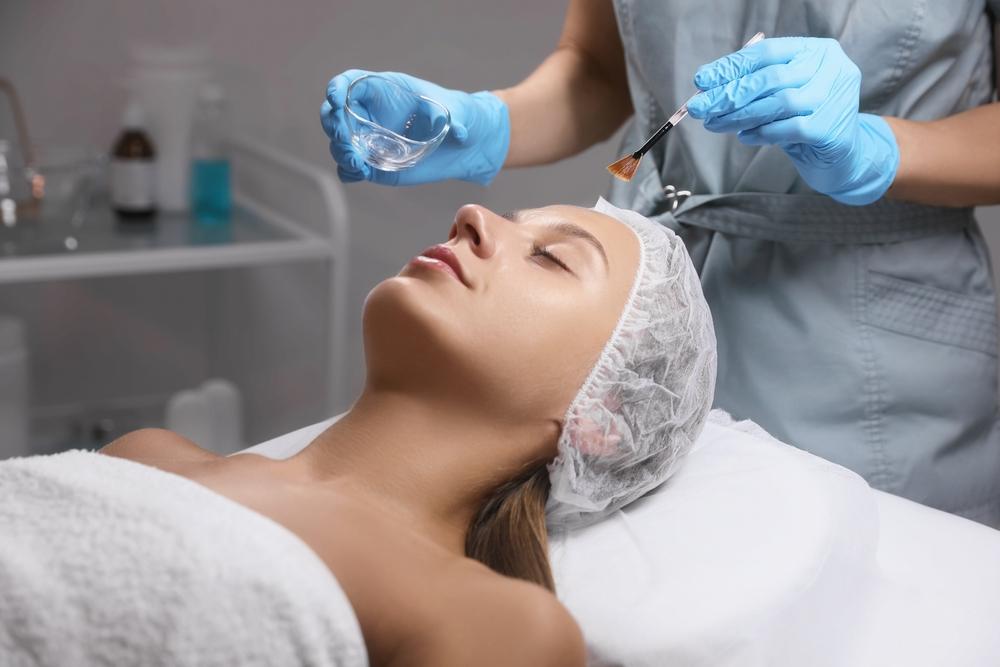
Skin concerns such as acne, pigmentation, dullness, uneven texture, and fine lines can affect both appearance and confidence. Chemical peels are a popular non-surgical treatment designed to improve the skin by removing damaged outer layers and encouraging smoother, more even-looking skin. But are they suitable for everyone? Chemical Peels in Islamabad can be an option for people seeking targeted skin rejuvenation, but the right peel depends on your skin type, concerns, and treatment goals.
What Is a Chemical Peel?
A chemical peel involves applying a specially selected chemical solution to the skin. Depending on its strength and ingredients, the solution removes damaged surface layers at a controlled depth. As the skin heals, newer skin becomes visible, often giving the complexion a smoother, brighter appearance.
Different acids may be used, including glycolic acid, lactic acid, salicylic acid, or trichloroacetic acid (TCA). The choice depends on what you want to improve and how deeply the treatment needs to work.
What Skin Concerns Can Chemical Peels Address?
Chemical peels may be recommended for several common skin concerns. Dermatologists use them to improve certain types of acne, uneven pigmentation, age spots, sun damage, rough texture, dullness, freckles, melasma, and fine lines.
However, chemical peels are not a universal solution. Deep scars, significant skin laxity, or pronounced wrinkles may require other treatments. A professional skin assessment can help determine whether a peel is appropriate or whether another procedure would better match your goals.
Types of Chemical Peels
Chemical peels are generally categorized according to how deeply they penetrate the skin.
Superficial peels affect the outermost skin layer and are commonly used for mild pigmentation, acne, dryness, rough texture, and dullness. They usually involve relatively little downtime, although redness and peeling can occur.
Medium-depth peels penetrate further and may be considered for more noticeable pigmentation, acne scarring, fine lines, or uneven skin tone. Recovery is generally longer, with redness, swelling, crusting, and peeling possible during the healing period.
Deep peels penetrate much further and are used selectively for more significant skin concerns. They involve substantially more downtime and require careful medical supervision.
Is a Chemical Peel Right for Your Skin?
The answer depends on several factors. A suitable candidate generally has a specific but realistic concern they want to improve and does not have an active skin infection or untreated irritation in the treatment area.
People with darker skin tones can also receive chemical peels, but selecting the appropriate peel and concentration is particularly important because some individuals have a greater risk of post-inflammatory pigmentation. Choosing an experienced professional who understands different skin tones can help reduce this risk.
Before treatment, discuss your medications, previous cosmetic procedures, history of cold sores, tendency to develop scars, and any previous use of acne medications such as isotretinoin with your dermatologist.
What to Expect During Recovery
Recovery varies according to the depth of the peel. A superficial peel may cause redness and scaling for several days, while a medium peel can require around one to two weeks of healing. Deep peels can require several weeks of recovery.
After treatment, following your provider's instructions is essential. Avoid picking or scratching peeling skin, keep the treated area moisturized as advised, and protect your skin from sunlight. Daily sunscreen is especially important after the skin has healed.
Are Chemical Peels Safe?
When performed appropriately by a trained professional, chemical peels have a long history of use. Nevertheless, side effects can include redness, temporary changes in pigmentation, irritation, infection, and, rarely, scarring. Deeper peels generally carry greater risks and require more extensive aftercare.
Because of these risks, stronger chemical peels should not be treated as a simple DIY skincare procedure. The American Academy of Dermatology recommends having chemical peels performed under the supervision of a qualified, trained provider.
Frequently Asked Questions
How long does a chemical peel take to show results?
Results depend on the type of peel and your individual skin. Superficial peels may produce a brighter appearance after healing, while a series of treatments may be recommended for gradual improvement.
Can chemical peels help with acne and pigmentation?
Certain chemical peels can help improve some types of acne, discoloration, and uneven skin tone. The appropriate formula should be selected according to your skin condition.
How often can I get a chemical peel?
The recommended interval varies according to the peel's strength and your skin's recovery. Your skincare professional can determine an appropriate treatment schedule.
Can people with darker skin have chemical peels?
Yes. However, darker skin may have a higher risk of pigmentation changes after some peels. Proper assessment and selection of treatment strength are important.
Should I avoid the sun after a chemical peel?
Yes. Recently treated skin is more sensitive, so protecting it from sunlight during recovery is important. Follow your provider's instructions regarding sunscreen and sun exposure.
Final Thoughts
Chemical peels can be a useful option for improving selected concerns such as dullness, uneven pigmentation, acne, rough texture, and fine lines. However, the best results come from choosing a peel that matches your skin type and goals rather than simply selecting the strongest treatment. If you are considering Chemical Peels in Islamabad, a professional consultation can help determine whether this treatment is suitable for your skin and what type of peel may be most appropriate.

 English
 Arabic
 French
 Spanish
 Deutsch
 Turkish
 Dutch
 Italiano
 Russian
 Romaian
 Portuguese (Brazil)
 Greek
