

Root Canal Treatment in Islamabad: How It Can Relieve Severe Tooth Pain
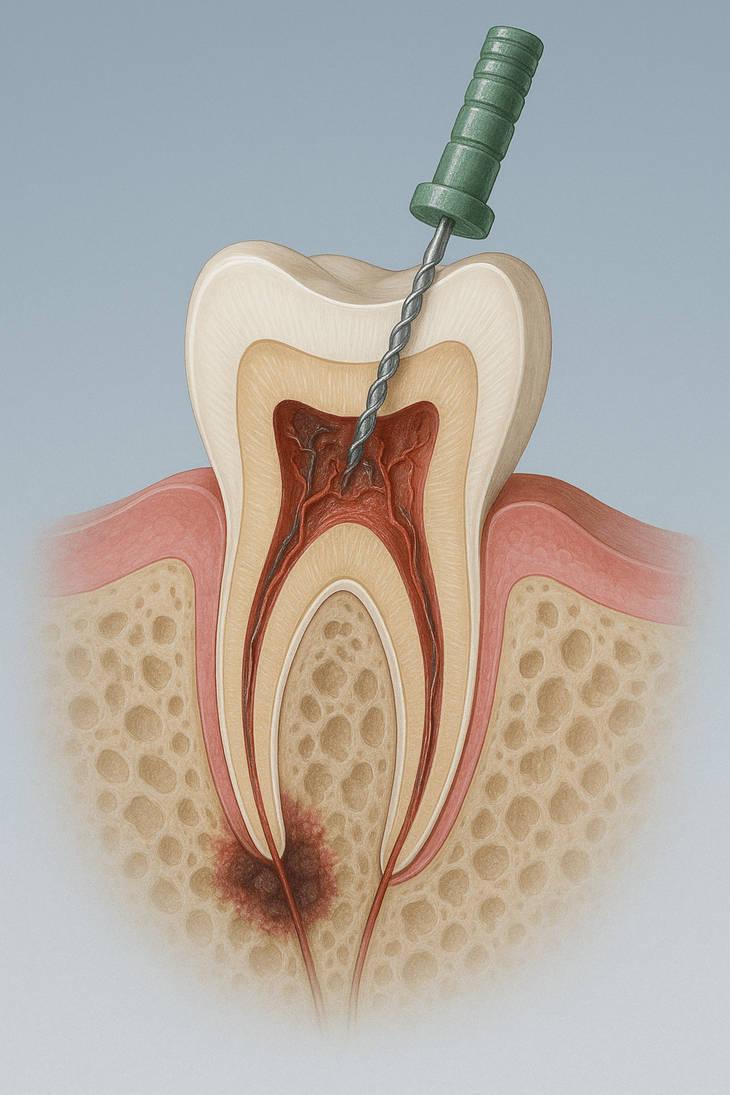
Severe tooth pain can make everyday activities such as eating, sleeping, and speaking extremely uncomfortable. When pain is caused by inflammation or infection deep inside a tooth, simply taking painkillers may not address the underlying problem. Root Canal Treatment in Islamabad can help remove infected or inflamed tissue, control the source of pain, and preserve the natural tooth. Root canal treatment is designed to clean and seal the inside of a damaged tooth rather than remove the entire tooth.
What Causes Severe Tooth Pain?
Tooth pain can have several causes, including cavities, cracked teeth, dental trauma, gum problems, or infection inside the tooth. The pulp is the soft tissue containing nerves and blood vessels inside the tooth. If bacteria reach this area through deep decay or a crack, inflammation or infection can develop.
Common symptoms that may indicate a problem with the dental pulp include:
- Severe or persistent toothache
- Pain while biting or chewing
- Prolonged sensitivity to hot or cold
- Swelling around the tooth or gums
- Tenderness near the affected tooth
- A chipped or cracked tooth
- A pimple or drainage point on the gums
Without appropriate treatment, an infected tooth may develop an abscess and, in some cases, may eventually need to be extracted.
How Root Canal Treatment Relieves Tooth Pain
Root canal treatment focuses on the source of pain inside the tooth. During the procedure, the dentist accesses the inner chamber, removes the inflamed or infected pulp, and carefully cleans and disinfects the root canals. The canals are then filled and sealed to help prevent reinfection.
Because the infected pulp contains nerves responsible for transmitting pain, removing the diseased tissue can significantly reduce the pain associated with an infected tooth. Once the infection is controlled and the tooth is properly restored, it can continue functioning as a natural tooth.
Is Root Canal Treatment Painful?
One of the biggest concerns people have about root canal treatment is whether the procedure itself will hurt. Modern root canal treatment is generally performed under local anesthesia, which numbs the area before treatment begins. The American Association of Endodontists notes that most patients report being comfortable during modern root canal procedures.
Some tenderness or mild discomfort can occur for a few days after treatment, particularly when the tooth was already infected or painful. This usually improves as the surrounding tissues heal. Severe, worsening, or prolonged pain should be discussed with a dentist.
What Happens During a Root Canal?
The exact treatment plan depends on the condition of the tooth, but the process generally involves several stages.
First, the dentist examines the tooth and may use dental X-rays to assess the roots and surrounding structures. Local anesthesia is then used to keep the area comfortable.
The dentist creates an opening in the tooth to access the infected pulp. The damaged tissue is removed, and the root canals are cleaned and shaped. After cleaning and disinfection, the canals are filled and sealed. Depending on the condition of the tooth, a temporary or permanent restoration may be placed.
A crown may sometimes be recommended to protect a weakened tooth and restore its strength and function.
Benefits of Saving the Natural Tooth
Root canal treatment can provide several important benefits when the tooth is suitable for preservation. It can help eliminate infection while allowing the natural tooth to remain in place.
Preserving the natural tooth can support normal chewing and biting and help maintain the appearance and function of your smile. It may also prevent neighboring teeth from shifting into the space that would be left by an extraction.
When Should You See a Dentist?
Severe or persistent tooth pain should not be ignored. You should arrange a dental evaluation if pain continues, especially if you experience swelling, sensitivity, pain when chewing, or signs of infection.
If swelling spreads to the face or neck, or you develop fever or feel significantly unwell, seek urgent dental or medical attention. Antibiotics are not a substitute for definitive dental treatment in most cases of dental pain; a dentist needs to determine the cause and appropriate treatment.
FAQs
Is root canal treatment suitable for every painful tooth?
No. Tooth pain can have many causes, and a dental examination is necessary to determine whether root canal treatment is appropriate. Some teeth may require a filling, gum treatment, extraction, or another procedure.
How long does a root canal take?
Treatment time varies depending on the tooth and the complexity of the infection. Some root canals can be completed in one appointment, while more complicated cases may require additional visits.
Can I eat normally after a root canal?
You should follow your dentist's instructions. If your mouth is still numb, avoid eating until normal sensation returns to reduce the risk of accidentally biting your cheek or tongue. If the tooth has a temporary restoration, you may also be advised to avoid putting excessive pressure on it until it receives its final restoration.
How long does pain last after a root canal?
Mild soreness or tenderness may occur for several days after treatment. It should generally improve rather than become increasingly severe. Contact your dentist if pain worsens or does not improve as expected.
Can a root canal save a badly infected tooth?
In many cases, root canal treatment can save a tooth affected by infection or inflammation inside the pulp. However, the dentist must assess the amount of remaining tooth structure and the condition of the surrounding tissues before determining whether the tooth can be successfully restored.
Final Thoughts
Severe tooth pain can be a sign of an infection or inflammation that requires professional dental care. Root canal treatment addresses the problem inside the tooth by removing infected tissue, cleaning the root canals, and sealing them to help prevent reinfection. It can relieve pain while giving patients an opportunity to preserve their natural teeth. If you have persistent toothache, sensitivity, swelling, or pain while chewing, consult a qualified dentist in Islamabad for an examination and personalized treatment plan.

 English
 Arabic
 French
 Spanish
 Portuguese
 Deutsch
 Turkish
 Dutch
Dutch
 Russian
 Romaian
 Portuguese (Brazil)
 Greek
Greek