

Step-by-Step Lipo Chest Surgery in Dubai Guide
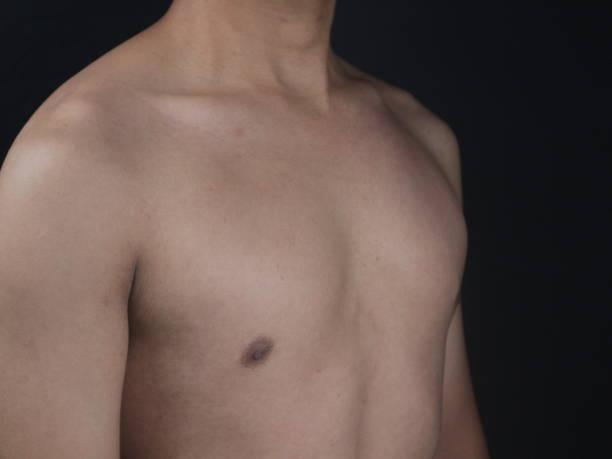
Knowing what happens before, during and after surgery can help patients approach male chest contouring with realistic expectations. Lipo Chest Surgery in Dubai uses liposuction to remove selected fat deposits from the chest and refine its outline. The procedure is tailored to the patient's anatomy, the amount of fat involved and whether other tissue contributes to the fullness.
Although the general stages are similar across many liposuction procedures, the surgical plan, anaesthesia and recovery instructions vary by individual.
Step One: Initial Consultation for Lipo Chest Surgery in Dubai
The process begins with a consultation to understand the patient's concerns and goals. The surgeon reviews medical history, medications, allergies, previous operations and relevant health conditions.
The chest is examined to determine whether the fullness is primarily fatty tissue, glandular enlargement or a combination. Skin elasticity and the overall proportions of the upper body are also considered.
Patients should explain what they hope to change and ask which outcomes are realistic for their anatomy.
Step Two: Developing a Personalised Surgical Plan
After the assessment, the surgeon determines whether liposuction is an appropriate option and identifies the areas that may be treated.
Planning may involve:
-
Assessing fat distribution across the chest
-
Evaluating the skin's ability to adapt after fat removal
-
Considering nipple and areola position
-
Discussing whether glandular tissue may require separate treatment
-
Reviewing the likely benefits, risks and limitations
-
Explaining the expected recovery requirements
The purpose is to develop a plan that addresses the concern without removing excessive fat or creating an uneven contour.
Step Three: Preoperative Preparation
Before surgery, patients receive instructions tailored to their medical circumstances and the planned procedure.
These may cover medication management, fasting if required by the anaesthesia plan, smoking cessation, transport arrangements and preparation for recovery at home.
Patients should disclose all medications and supplements and should not stop prescribed medication without medical advice.
It is also helpful to arrange assistance with transport and demanding daily tasks for the initial recovery period.
Step Four: Anaesthesia and Surgical Marking
On the day of surgery, the treatment area may be marked to guide the planned contour. The selected anaesthesia method depends on the procedure, the patient's health and the surgeon's assessment.
The surgical team follows appropriate preparation and safety protocols before beginning the operation.
Patients should have an opportunity to confirm that they understand the procedure and the instructions provided by their medical team.
Step Five: Making Small Incisions
Liposuction requires small access incisions through which the cannula is introduced. The location of these incisions depends on the treatment area and the surgical technique.
Although the incisions are generally small, they can leave scars. Their final appearance varies according to placement, individual healing and postoperative care.
The surgeon aims to position access points appropriately while maintaining control over the treatment area.
Step Six: Removing the Targeted Fat
The surgeon guides the cannula through the planned areas to remove selected fat deposits. The goal is to reduce fullness and create a balanced transition between the chest and surrounding tissues.
Different liposuction technologies may be considered in selected cases, but no technique guarantees a particular result. The surgeon's assessment, the patient's anatomy and the safe limits of fat removal all matter.
If glandular tissue or significant excess skin is present, liposuction alone may not achieve the desired correction.
Step Seven: Completing the Procedure
After the planned fat removal, the surgical team manages the incision sites according to the technique used. A dressing and compression garment may be applied when indicated.
Before discharge, patients should receive instructions about medication, incision care, activity restrictions and follow-up appointments. They should also know whom to contact if a concern arises after leaving the facility.
Step Eight: Recovery and Follow-Up
Swelling, bruising, tenderness and temporary changes in sensation may occur after surgery. These effects gradually change as healing progresses, but the timeline varies.
Patients should follow instructions regarding compression garments, bathing, wound care, exercise and return to work. Strenuous activity should not resume until the surgeon considers it appropriate.
Follow-up appointments allow the medical team to assess healing and discuss the evolving chest contour.
Understanding Risks and Possible Complications
Chest liposuction carries risks, including infection, bleeding, fluid accumulation, contour irregularities, asymmetry, scarring, changes in sensation and anaesthesia-related complications.
Patients should contact their surgical team if they experience worsening pain, fever, unusual drainage or rapidly increasing swelling. Chest pain, difficulty breathing or fainting requires urgent medical attention.
A clear understanding of these risks should form part of the decision to proceed.
Frequently Asked Questions
How long does lipo chest surgery take?
The duration varies according to the treatment area, the amount of fat involved and whether additional procedures are required. The surgeon can provide an estimate for the planned operation.
Will I be awake during chest liposuction?
The anaesthesia method depends on the procedure and individual circumstances. Your surgical team should explain the recommended approach before surgery.
Are the incisions large?
Liposuction generally uses small access incisions, but scarring is still possible.
When can I return to normal activities?
The timing depends on the extent of surgery and your recovery. Follow the personalised activity instructions provided by your surgeon.
When can I judge the final result?
Swelling can obscure the contour during early recovery. The chest shape becomes easier to assess as healing progresses.
Clinic Note
Understanding each stage of surgery helps patients prepare, but the exact procedure should always be personalised. Ask the surgical team to explain the proposed technique, potential complications, expected recovery and alternatives before making a decision.
Learn More About Lipo Chest Surgery at Tajmeels Clinic
If you are considering male chest contouring, Tajmeels Clinic in Dubai can be a starting point for discussing your goals and understanding available treatment options. An individual consultation can help clarify the likely approach, surgical requirements and recovery considerations.
Explore Lipo Chest Surgery in Dubai for more information and discuss your suitability with a qualified medical professional.

 Arabic
 French
 Spanish
 Portuguese
 Deutsch
 Turkish
 Dutch
 Italiano
 Russian
 Romaian
 Portuguese (Brazil)
 Greek
