

Mulch Film for Better Crop Protection and Enhanced Agricultural Productivity
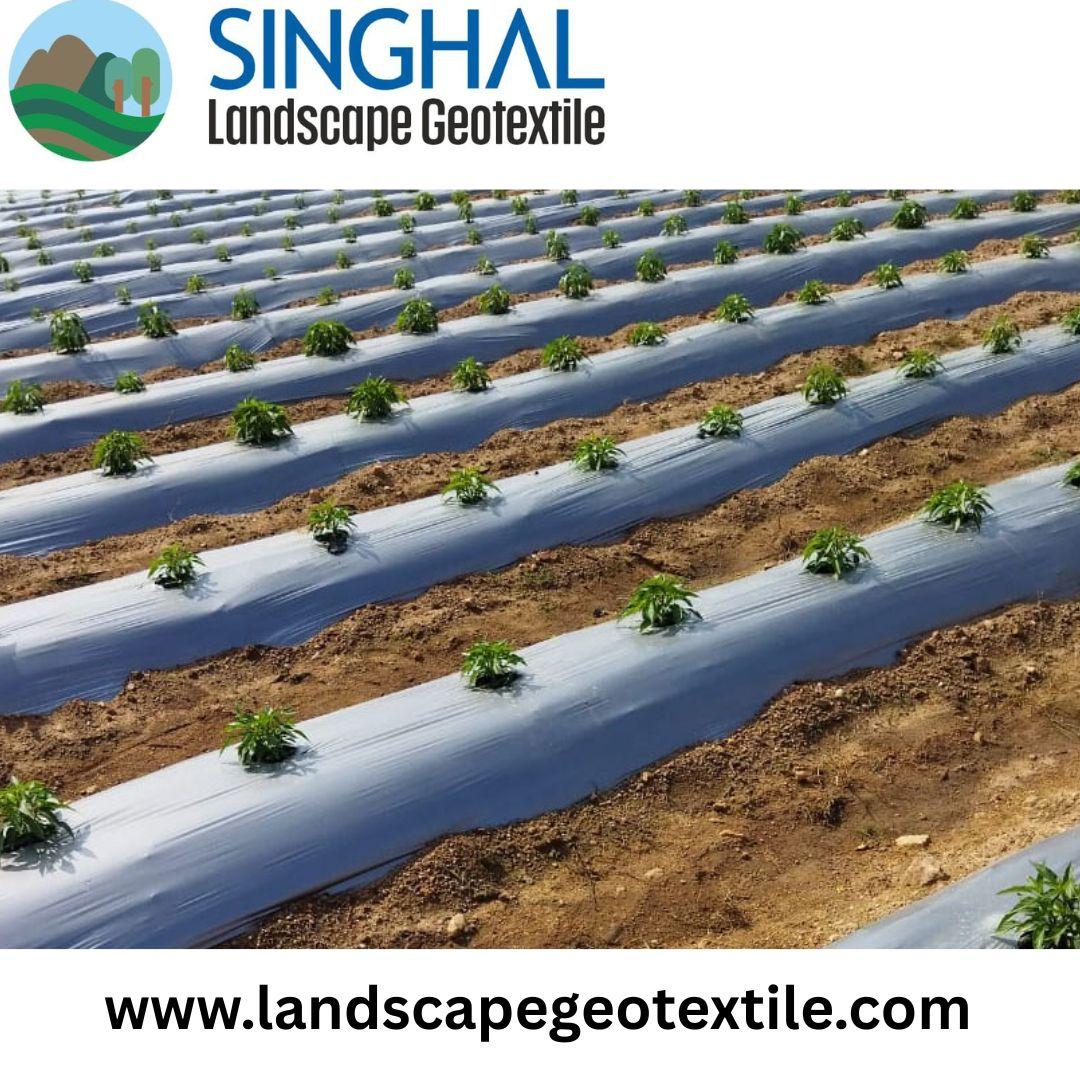
Role of Mulch Film
Mulch film is a thin sheet of plastic that is laid over the soil to help a farmer manage a crop and create a suitable environment for optimum plant growth. It is used in various farming systems which includes field crops and crops of horticulture (nursery crops, flowers and fruits). Once a mulch film is placed over the soil, it stops the sun’s rays from reaching the weed and therefore the weed will not grow. The film also helps to conserve the soil moisture by reducing the rate of soil water evaporation. Mulch film also helps in cooling the soil by regulating the soil temperature adjacent to plant roots. This enables a farmer to reduce the wastage of irrigation water and save the cost of labor to remove weeds. Farmers are advised to use the appropriate mulch film in their farming system.
Types of Mulch Films and Differences in Materials
Recently, various varieties of mulch films have been introduced in Agriculture. Most of these films are either LDPE (Low Density Polyethylene) or LLDPE (Linear Low Density Polyethylene). Both types of polyethylene are soft, lightweight and have different thicknesses, based on their short or long term use. Black mulch films are usually farmers' first choice, as they help in blocking out the sun rays, thus helping to stop the growth of weeds. Reflective Silver Black Mulch film roll are also farmers' first choice, as they also assist in blocking the sun's rays and help to lessen the heat absorbed by the soil. If farmers want to lessen the heat absorbed by the soil, they usually buy White or Light colored Mulch films. Farmer's wishing to simplify their crop planting process, usually buy Pre Perforated Mulch films.
Benefits of Mulch Film for Crop Growth and Soil Management
A wide variety of mulch films for different kinds of crops is available in the market. While selecting an agricultural mulch film supplier, you should keep in mind the crops you wish to produce and the site-specific conditions of your operation. Agricultural mulch films provide several benefits such as controlling the level of soil moisture and eliminating the weed problem around the crop. Soil is protected from the drying effect of sun and wind by the mulch film. Soil moisture is lost to a very small extent as compared to the situation when no mulch film is used. This helps in maintaining a balance of soil moisture throughout the growing season.
Choosing Agricultural Mulch Film for Quality and Value
The use of mulch films in agriculture has become the standard practice of most farmers. If you are a grower, distributor or processor of food, then it is essential that you ensure a good quality supply of agricultural mulch film for each growing season. When you are selecting a supplier of agricultural mulch film, there are many things that you need to consider.
These include thickness of the film, length and width of the roll, the material, color, treatment of the film, presence of holes or perforations. These and other factors determine the ease of use, the length of time the mulch film lasts, and the performance of the film on different crops. Many mulch films are on the market. While selecting a mulch film, you must take into account your crop as well as your local conditions Use of mulch films eliminates weed problem around the crop The soil moisture is also maintained at the desired level. The mulch film protects the soil from the drying effect of wind and sun.
Biodegradable Mulch Film and Sustainable Farming Choices
As a result of increasing focus on sustainability in agriculture, the manufacture and sale of biodegradable mulch films have also increased. For biodegradable films to be sustainable, they must completely degrade in the specified environment. The farmer is required to remove the old film when it becomes an issue. The rate at which a given film degrades is determined by several factors, and farmers should not assume the film is safe to the environment. In some cases, the farmer should verify that the manufacturer has certified the film to be biodegradable. Additionally, there are best practices on use of the film, weeds control, and the disposal of the film at the end of the growing season. These practices must be adhered to by the farmer.
Proper Installation, Appropriate Selection of Thickness, and Field Maintenance
The mulch film will only be of benefit if it is installed correctly. Farmers work on the soil to remove sharp objects to prepare smooth and level planting areas, and to develop ways to water the planting areas. Mulch films allow farmers to prepare the soil to plant and then lay the film in an even manner, and secure the ends to hold the film in place and determine where the plants will be positioned. Farmers make appropriately sized planting holes and place the plants depending on the needs of the crop. Farmers also maintain the area between mulch film to prevent weeds. The thickness of film is decided by the length of time a crop will be grown, soil type, how the film will be handled, how long the film will be exposed to weather conditions.
Choosing the Right Mulch Film
Mulch film is relatively expensive and has varying qualities, particularly because certain crops require specific mulch film qualities. Hence, one needs to choose a supplier keenly. As you evaluate a supplier, consider the following. What kind of raw materials does the supplier use How strict is the supplier with quality control What is the supplier’s maximum production capability What type of packaging does the supplier use What kind of shipping methods does the supplier use In addition to the above, international buyers have to think about other things before choosing a supplier. Will the supplier produce all the documents required by the importing country Will the supplier meet any export licenses Will the supplier provide the letters of credit required.
Conclusion
Mulch film has several advantages in agriculture including maintaining optimal soil moisture and temperature, weed control, and providing a sterile environment for the growth of crop plants. However, for the reasons explained earlier, biodegradable mulch films should only be used at the end of the growing season.
When it comes to mulch film selection for your business, you need to look at several factors including the crop you are growing, your local climate, and the make-up of your soil, among other factors. The Agricultural mulch film suppliers look at many factors such as color and the way a film is installed, among other factors, to help you decide the best film to use in your business. Before you buy a particular mulch film, you are required to go through all the technical specifications. It is recommended that you look through all the recommendations to come up with an informed decision, especially if you will use both the conventional and the biodegradable mulch films.
Frequently Asked Questions
What is agricultural mulch film used for?
Agricultural mulch film covers the soil after planting to control weeds, prevent water loss through evaporation, affect soil temperature and aid in keeping some crops clean. The success of this type of film will depend on what is being grown as well as how it was installed.
What is the difference between conventional and biodegradable mulch film?
Most conventional polyethylene films will require collection once they are used. Biodegradable films have been engineered to degrade under specific environmental conditions, therefore, consumers should check the certification and disposal requirements of the biodegradable film.
Who is the largest exporter of Mulch Film?
The company, Singhal Landscape Geotextile, has provided several different types of mulch films for use in agriculture. It is recommended that those interested in purchasing these products contact Singhal Landscape Geotextile directly to determine whether or not they are able to ship products internationally export capability.
How should farmers choose agricultural mulch film suppliers?
To choose a farmer's crop appropriate supplier, they will need to compare materials' quality, thickness, colors, roll sizes, technical documentation, how often the supplier can deliver, costs of purchasing from the supplier, and the type of customer service the supplier provides.
Are biodegradable mulch films suitable for every crop?
Suitability is based on the length of time the crop grows, the type of weather, the type of soil, how often you water your crops, and whether the product has been certified. Before using this film, farmers must make sure it fits with the environment they are growing their crops in and what they intend to do with the film.

 English
 Arabic
 French
 Spanish
 Portuguese
 Deutsch
 Turkish
 Dutch
 Italiano
 Romaian
 Portuguese (Brazil)
 Greek
