

Rhinoplasty in Dubai: What Happens During Surgery?
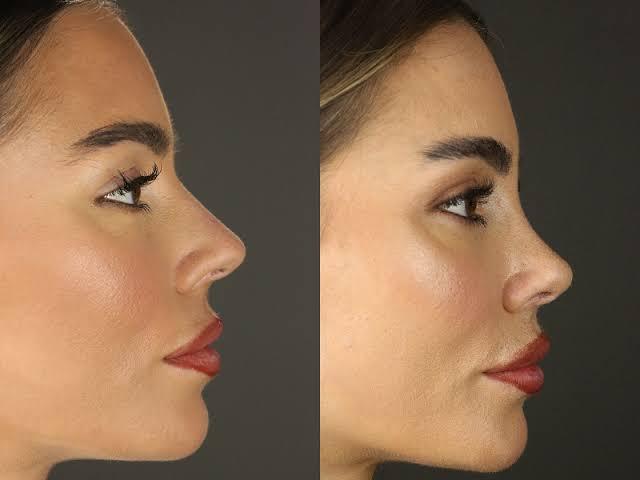
Understanding the surgical process can help individuals feel more prepared before considering nose reshaping. Rhinoplasty involves carefully planned changes to the bone, cartilage, and surrounding tissues to address specific aesthetic or functional concerns.
Rhinoplasty in Dubai (تجميل الأنف في دبي) follows an individualised surgical plan based on nasal anatomy, medical history, and treatment goals. Although the exact steps vary, the procedure generally includes preparation, anaesthesia, access to the nasal framework, structural adjustments, and postoperative care.
Step 1: Pre-Surgical Preparation
Before surgery, the planned changes are reviewed to ensure they are appropriate for the individual's nasal structure. The surgical team may assess the bridge, tip, nostrils, septum, and internal nasal passages.
Medical history, current medications, allergies, and previous procedures are also considered. Patients receive instructions about eating, drinking, and medication use before the operation.
This preparation helps identify potential concerns and establishes a clear plan for the procedure.
Step 2: Administration of Anaesthesia
Rhinoplasty is commonly performed under general anaesthesia, although the appropriate anaesthesia plan depends on the procedure and individual circumstances.
General anaesthesia allows the patient to remain unconscious and comfortable throughout the operation. The anaesthesia team monitors breathing, heart rate, blood pressure, and other vital signs during surgery.
Patients should discuss any previous reactions to anaesthesia or relevant medical conditions during their preoperative assessment.
Step 3: Creating Surgical Access
The surgeon selects an approach based on the planned nasal modifications.
Open Rhinoplasty Approach
Open rhinoplasty involves a small incision across the columella, the tissue separating the nostrils. Additional incisions are made inside the nose to provide access to the underlying framework.
This approach allows direct visualisation of the nasal structures and may be useful for complex reshaping or detailed structural adjustments.
Closed Rhinoplasty Approach
Closed rhinoplasty uses incisions placed inside the nostrils. The surgeon works through these internal openings to make the required changes.
This technique may be appropriate for selected procedures where the necessary adjustments can be completed without an external incision.
Step 4: Reshaping the Nasal Framework
Once surgical access has been established, the planned modifications are performed. The specific adjustments depend on the concerns identified before surgery.
Bone may be refined to reduce a prominent hump or adjust bridge width. Cartilage may be reshaped to improve tip definition, projection, or overall nasal contour.
If structural problems affect breathing, the procedure may also involve correcting selected internal features.
Step 5: Maintaining Nasal Support
A successful surgical plan must consider more than the visible shape of the nose. The underlying framework provides stability and supports normal airflow.
Removing too much cartilage or bone can weaken this framework. In some cases, cartilage grafts may be used to reinforce selected areas or improve structural support.
The need for grafting depends on the individual's anatomy and the extent of the planned changes.
Step 6: Closing the Incisions
After the planned adjustments are completed, the surgeon closes the incisions using appropriate sutures.
Internal splints or other supportive materials may be placed when needed. An external nasal splint is also commonly used to protect the nose and help maintain its position during the initial healing period.
The exact closure and support methods vary according to the surgical technique.
Step 7: Initial Monitoring After Surgery
Following the procedure, the patient is moved to a recovery area where medical staff monitor their condition as they wake from anaesthesia.
Temporary swelling, bruising, nasal congestion, and mild discomfort are common during the early recovery period. Some patients may also experience slight bleeding or drainage.
Discharge arrangements depend on the procedure, recovery progress, and medical assessment. Patients should follow the instructions provided before leaving the facility.
What Happens in the First Few Days?
The first several days generally involve rest and protection of the nose. Keeping the head elevated may help reduce swelling, while cold compresses can be used around the surrounding facial areas if recommended.
Patients should avoid blowing their nose, applying pressure to the nasal bridge, or participating in strenuous activities during the initial healing stage.
Any prescribed medication and cleaning instructions should be followed carefully. Unexpected heavy bleeding, severe pain, fever, or significant breathing difficulty should be reported promptly.
How Long Does the Full Procedure Take?
The duration of rhinoplasty varies depending on its complexity, surgical approach, and whether additional functional corrections are required.
A straightforward procedure may take less time than surgery involving extensive cartilage reshaping, septal correction, or revision work. The expected duration should be discussed during the preoperative consultation rather than relying on a general estimate.
Final Thoughts
Knowing what happens during each stage of nose surgery can make the process easier to understand. From anaesthesia and surgical access to reshaping and initial recovery, every step is planned around the individual's anatomy and treatment goals. People considering Rhinoplasty in Dubai can explore their options with TAJMEELS DUBAI عيادة تجميل and discuss the procedure, expected recovery, and important safety considerations before making a decision.

 English
 Arabic
 French
 Spanish
 Portuguese
 Turkish
 Dutch
 Italiano
 Russian
 Romaian
 Portuguese (Brazil)
 Greek
