

Can You Have a Chemical Peel After Laser Hair Removal on the Face?
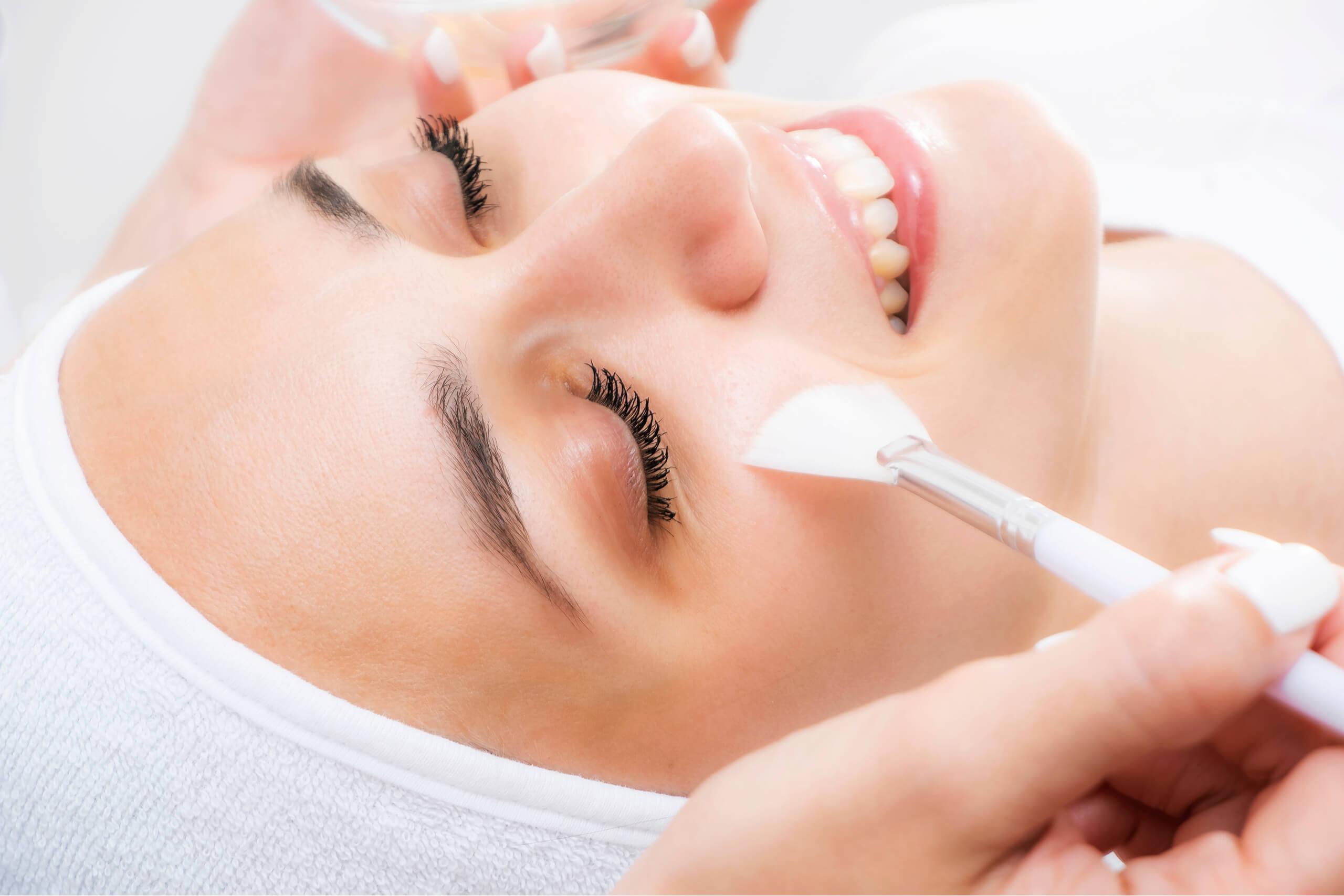
Planning a chemical peel after laser hair removal might seem like a convenient way to address unwanted facial hair and improve skin texture at the same time. However, combining these treatments too close together can leave your skin irritated, especially if it has not fully recovered from the laser session.
Both procedures affect the skin in different ways. Laser hair removal uses concentrated light energy to target hair follicles, while a chemical peel applies exfoliating ingredients to encourage the shedding of surface skin cells.
So, can you safely have one after the other? Yes, in many cases, but the timing matters. Anyone considering a Chemical Peel in Islamabad after facial laser hair removal should allow the skin to recover and get professional advice before scheduling the next treatment.
How Does Laser Hair Removal Affect Facial Skin?
Laser hair removal targets pigment within the hair follicle. The absorbed light energy produces heat that damages the follicle and reduces future hair growth over a series of sessions.
Although the treatment is designed to target hair follicles, the surrounding skin can also experience temporary reactions. Mild redness, warmth, sensitivity, and slight swelling around the follicles are common after treatment.
These effects usually settle within a short period, but recovery varies depending on skin type, laser settings, treatment area, and individual sensitivity. Skin that still feels warm, irritated, or tender is not ready for another exfoliating procedure.
What Does a Chemical Peel Do to the Skin?
A chemical peel uses a carefully selected solution to exfoliate the skin and improve concerns such as uneven texture, selected pigmentation, and certain types of acne marks.
Different peels contain ingredients such as glycolic acid, lactic acid, salicylic acid, or mandelic acid. Their strength and suitability depend on the formulation, concentration, pH, application time, and the patient's skin condition.
Some superficial peels cause mild dryness or flaking, while stronger treatments can involve more noticeable peeling and a longer recovery period. The depth and formulation of the peel should match the skin's condition, not simply the patient's desired speed of results.
How Long Should You Wait Between the Two Treatments?
There is no single waiting period that is suitable for everyone. The appropriate interval depends on the type of laser used, the strength of the chemical peel, the treated facial area, and how quickly the skin recovers.
For a superficial laser hair removal session, a practitioner may advise waiting until redness, warmth, tenderness, and irritation have completely settled before considering a peel. This may take several days or longer, depending on the individual.
If the skin has developed blistering, crusting, significant inflammation, or unusual pigmentation, further treatment should be postponed until a qualified professional has assessed it. Do not schedule a chemical peel simply because a certain number of days has passed.
Why Is It Risky to Have a Peel Too Soon After Laser Hair Removal?
After laser treatment, the skin may temporarily become more sensitive. Applying exfoliating acids before the skin barrier has recovered can increase irritation and make the healing process more difficult.
The combination may also increase the risk of unwanted pigmentation, particularly in people who are naturally prone to post-inflammatory hyperpigmentation. This is an important consideration for Pakistani patients, as medium and deeper skin tones can be more vulnerable to pigmentation changes following skin inflammation.
Potential problems include:
-
Increased redness and irritation: The treated area may become more uncomfortable after exposure to exfoliating ingredients.
-
Excessive dryness and peeling: The skin barrier may struggle to tolerate another treatment before recovering.
-
Post-inflammatory hyperpigmentation: Inflammation can sometimes leave darker patches, especially in pigmentation-prone skin.
-
Prolonged recovery: Combining treatments too closely may make it harder for the skin to settle.
-
Greater sensitivity: Products that were previously well tolerated may cause stinging or discomfort during recovery.
Allowing sufficient recovery time is safer than trying to complete multiple treatments in a short period.
Can a Chemical Peel Help With Dark Spots After Laser Hair Removal?
Some patients notice darker patches after facial laser hair removal. These changes may be related to post-inflammatory hyperpigmentation, although not every dark mark has the same cause.
A chemical peel may help improve selected superficial pigmentation once the skin has fully recovered. However, it is not automatically the right solution for every patient, and using exfoliating acids on recently irritated skin can make pigmentation worse.
A dermatologist should first determine whether the darkening is temporary inflammation-related pigmentation, another pigmentation condition, or a sign of a laser-related complication. Treating the underlying cause is more important than immediately trying to remove the visible mark.
What If You Have Sensitive or Acne-Prone Skin?
People with sensitive skin may need extra care when planning treatments close together. Their skin may react more noticeably to laser energy, exfoliating acids, fragrances, or other active skincare ingredients.
Acne-prone skin also requires an individual approach. Salicylic acid peels may be useful for selected acne concerns, but they should not be applied over skin that is still inflamed or recovering from laser treatment.
If you experience frequent irritation, active breakouts, eczema, or a damaged skin barrier, discuss these concerns before booking either procedure. A personalised treatment plan can help reduce unnecessary irritation and avoid unsuitable combinations.
How Should You Prepare for a Chemical Peel After Laser Hair Removal?
Once your skin has recovered and a qualified practitioner confirms that a peel is appropriate, preparation becomes important. Your skincare routine should be adjusted according to the treatment plan and your skin's current condition.
Avoid experimenting with strong exfoliants or trying to speed up the process at home. Products containing retinoids, exfoliating acids, or other potentially irritating ingredients may need to be paused around treatment, according to professional advice.
Sun protection is particularly important because recently treated skin may be more vulnerable to irritation and pigmentation changes. Use a suitable broad-spectrum sunscreen and follow the clinic's instructions before and after your appointment.
What Should You Ask Before Booking Both Treatments?
If you are planning a Chemical Peel in Islamabad after laser hair removal, discuss both procedures during your consultation. Your practitioner should know when you last had laser treatment, which facial areas were treated, and whether you experienced any side effects.
It is also useful to ask which peel formulation is suitable for your skin tone and concerns. The practitioner should explain the expected recovery period, possible complications, and when you can safely return to your normal skincare routine.
A clinic should never promise that combining treatments will automatically produce faster or better results. The safest schedule is based on your skin's recovery, not a fixed package or appointment timetable.
Frequently Asked Questions
Can I have a chemical peel one day after facial laser hair removal?
Usually, this is too soon. The skin may still be sensitive, so wait until it has fully recovered and obtain professional clearance before having a peel.
Does laser hair removal make a chemical peel less effective?
Not necessarily. Laser hair removal and chemical peels address different concerns, and one does not automatically cancel out the benefits of the other. The main consideration is choosing appropriate timing.
Can I use glycolic acid after laser hair removal?
Glycolic acid may irritate recently treated skin. Ask your practitioner when it is appropriate to restart exfoliating products based on your recovery.
Can both treatments be included in one skincare plan?
Yes, they may be included in a broader treatment plan, but they do not necessarily need to be performed close together. A professional should decide the sequence and timing.
Final Thoughts
Having a chemical peel after facial laser hair removal may be possible, but your skin needs enough time to recover between treatments. Redness, warmth, tenderness, or ongoing irritation are signs that another procedure should be postponed. A personalised assessment helps determine the safest timing and the most suitable peel for your skin.
For professional guidance on treatment planning, Dynamic Aesthetic Clinic offers aesthetic care supported by experienced expertise, board-certified surgeons, and advanced techniques. Patients considering a Chemical Peel in Islamabad after laser hair removal can seek an individual assessment to discuss skin recovery, suitable treatment options, and appropriate aftercare.

 English
 Arabic
 French
 Spanish
 Portuguese
 Deutsch
 Dutch
 Italiano
 Russian
 Romaian
 Portuguese (Brazil)
 Greek
