

Understanding Skin Brightening Solutions and Treatments in Riyadh
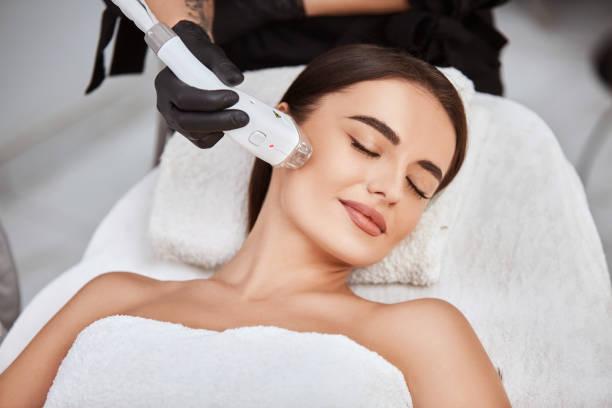
Skin health and appearance are important aspects of personal care, and many people seek professional solutions to achieve a brighter, more even complexion. Factors such as sun exposure, hormonal changes, ageing, acne marks, and environmental pollution can contribute to uneven skin tone, pigmentation, and dullness. As a result, skin brightening treatments have become an increasingly popular option for individuals looking to improve their skin's appearance.
Skin Whitening Treatment in Riyadh (علاج تبييض البشرة بالرياض) is a commonly searched topic among people exploring professional skincare solutions. Modern dermatological approaches focus on addressing pigmentation, reducing the appearance of dark spots, and improving overall skin clarity. These treatments are designed to support healthier-looking skin rather than simply changing its natural colour.
Across the region, interest in Skin Whitening Treatment in Saudi Arabia continues to grow as people become more aware of advanced skincare technologies and professional treatment options. Understanding the available procedures, their suitability, expected outcomes, and necessary aftercare can help individuals make informed decisions about their skin.
Understanding Skin Brightening and Skin Whitening Treatments
Skin brightening and skin whitening are commonly used terms in aesthetic skincare, although they do not always describe exactly the same goals. Skin brightening generally focuses on improving dullness, reducing visible pigmentation, and creating a more uniform complexion. Skin whitening is often used to describe treatments intended to reduce excessive pigmentation and the appearance of darker areas.
Modern dermatology prioritises skin health and balanced pigmentation. Rather than attempting to change someone's natural skin colour, professional treatments aim to address concerns such as sunspots, melasma, post-inflammatory hyperpigmentation, and uneven skin tone.
People considering Skin Whitening Treatment in Riyadh should understand that treatment selection depends on their skin type, pigmentation concerns, medical history, and individual expectations. A qualified dermatologist can evaluate these factors before recommending an appropriate approach.
Common Causes of Uneven Skin Tone and Pigmentation
Uneven skin tone can develop for several reasons. Identifying the underlying cause is essential because different pigmentation concerns may require different treatment approaches.
Sun Exposure and UV Damage
Frequent exposure to ultraviolet radiation can stimulate melanin production, resulting in dark spots, tanning, and uneven pigmentation. Over time, accumulated sun damage may make the complexion appear dull or uneven.
Sun protection is therefore an essential part of maintaining skin clarity and supporting the results of professional treatments.
Hormonal Changes
Hormonal fluctuations can contribute to melasma, a pigmentation condition characterised by brown or greyish patches, particularly on the cheeks, forehead, and upper lip.
Pregnancy, hormonal medications, and other hormonal changes may influence its development. Melasma often requires a carefully selected treatment plan because it can return even after improvement.
Acne Marks and Skin Inflammation
Acne, irritation, and certain skin injuries can leave dark marks after the original inflammation has healed. This condition is known as post-inflammatory hyperpigmentation.
People experiencing these concerns may explore professional pigmentation treatments to improve the appearance of affected areas.
Ageing and Environmental Factors
Natural ageing, pollution, and accumulated environmental exposure can contribute to changes in skin texture and pigmentation. These factors may make the complexion appear less uniform over time.
Consistent skincare and appropriate professional treatments can help address some of these visible changes.
Popular Skin Brightening Solutions and Treatments in Riyadh
Several dermatological and aesthetic procedures are available for individuals concerned about pigmentation, dullness, and uneven skin tone. The most suitable option depends on the underlying condition and the person's skin characteristics.
Laser Skin Brightening Treatments
Laser treatments use controlled light energy to target selected pigmentation concerns. Depending on the technology, lasers may help reduce the appearance of sunspots, certain dark marks, and uneven pigmentation.
Different laser systems work at different wavelengths and depths. Therefore, selecting an appropriate device is important, particularly for darker skin tones that may be more susceptible to post-inflammatory pigmentation.
A professional assessment is necessary to determine whether laser treatment is suitable and to establish realistic expectations.
Chemical Peels for Skin Brightening
Chemical peels involve applying carefully selected exfoliating solutions to the skin. These solutions help remove accumulated surface cells and encourage skin renewal.
Depending on their formulation and strength, chemical peels may improve mild pigmentation, acne marks, and uneven skin texture.
Superficial peels are generally associated with shorter recovery periods, while stronger peels may require more downtime. Treatment selection should always be guided by a qualified skincare professional.
Medical-Grade Skin Brightening Products
Topical skincare products can play an important role in managing pigmentation. Dermatologists may recommend ingredients that help regulate melanin production, encourage skin renewal, or reduce inflammation.
Common ingredients include vitamin C, niacinamide, azelaic acid, retinoids, and certain other medically appropriate depigmenting agents.
The choice of product depends on the pigmentation condition, skin sensitivity, and medical history. Consistent use and professional guidance are important for achieving gradual improvements.
Skin Rejuvenation Treatments
Some skin rejuvenation procedures focus on improving texture, hydration, and overall skin appearance. Depending on the technology used, these treatments may complement pigmentation management.
However, not every rejuvenation procedure directly treats excess melanin. A proper assessment helps determine whether a particular treatment addresses the individual's primary concern.
Microneedling for Selected Pigmentation Concerns
Microneedling uses fine needles to create controlled micro-injuries in the skin, stimulating natural repair processes and collagen production.
It may be considered for certain concerns involving acne marks, texture irregularities, and selected pigmentation conditions. However, it is not appropriate for every type of pigmentation, particularly some cases of melasma.
Treatment should be performed by a trained professional using appropriate techniques and hygiene standards.
Benefits of Professional Skin Brightening Treatments
Professional skin brightening treatments can offer several benefits when selected according to individual skin concerns. Their primary purpose is to improve visible skin quality while maintaining the skin's natural characteristics.
Improved Skin Tone and Clarity
Targeted pigmentation treatments may help reduce the appearance of dark spots and uneven patches, creating a more balanced complexion.
Reduction in Visible Pigmentation
Certain laser procedures, topical treatments, and chemical peels can help manage specific forms of hyperpigmentation. Results depend on the cause, severity, and treatment approach.
Smoother Skin Texture
Some procedures encourage exfoliation and skin renewal, which may improve roughness and uneven surface texture.
Better Understanding of Personal Skincare Needs
Professional consultations allow individuals to understand their skin type, pigmentation triggers, and suitable treatment options. This can help establish a more effective long-term skincare routine.
Who Is a Suitable Candidate for Skin Brightening Treatments?
Not everyone requires the same treatment, and suitability depends on several individual factors. People experiencing persistent pigmentation, sunspots, acne marks, or uneven skin tone may benefit from a dermatological assessment.
Individuals with sensitive skin, active infections, inflammatory skin conditions, or a history of unusual reactions to cosmetic procedures may need additional evaluation before proceeding.
People with melasma also require particular attention because certain procedures can sometimes worsen pigmentation if performed incorrectly.
Anyone considering Skin Whitening Treatment in Saudi Arabia should prioritise skin health, realistic expectations, and professional medical advice. Treatments should be selected to improve pigmentation concerns without compromising the skin's natural protective functions.
What to Expect Before and After Skin Brightening Treatments
Understanding the treatment process can help individuals prepare properly and make more informed decisions.
Before the Treatment
A dermatologist typically evaluates the skin, identifies the type of pigmentation, and reviews relevant medical history. Previous treatments, skincare products, medications, and skin sensitivity may also be considered.
Depending on the procedure, patients may receive instructions about sun exposure, exfoliating products, and certain active skincare ingredients.
During the Treatment
The procedure varies according to the selected technique. Laser treatments may involve controlled light energy, while chemical peels use specific exfoliating solutions. Microneedling involves a specialised device that creates tiny channels in the skin.
The duration and level of discomfort depend on the procedure and the individual's skin sensitivity.
After the Treatment
Temporary redness, dryness, sensitivity, or mild peeling may occur after certain procedures. Recovery varies depending on treatment intensity and individual skin response.
Following professional aftercare instructions is important for supporting healing and reducing the risk of complications.
Essential Skincare and Aftercare for Maintaining Results
Professional treatments are only one part of maintaining healthy-looking skin. Daily skincare habits can influence pigmentation, recovery, and long-term results.
Use Broad-Spectrum Sunscreen
Sun protection is particularly important for people experiencing pigmentation. A broad-spectrum sunscreen with SPF 30 or higher can help protect against UVA and UVB radiation.
Reapplication is necessary during prolonged outdoor exposure, especially in Riyadh's sunny climate.
Maintain a Consistent Skincare Routine
Gentle cleansing, appropriate moisturising, and dermatologist-recommended active ingredients can support skin health. Avoid introducing several strong products simultaneously, particularly after professional procedures.
Avoid Excessive Exfoliation
Over-exfoliating can damage the skin barrier and trigger irritation. This may increase the risk of post-inflammatory hyperpigmentation, especially in individuals with naturally darker skin tones.
Follow Professional Recommendations
Aftercare instructions should reflect the specific procedure performed. Patients should avoid unnecessary treatments and allow sufficient time for recovery before considering additional procedures.
Understanding the Importance of Safe Skin Brightening
Safety should remain a priority when exploring professional pigmentation treatments. Some unregulated whitening products may contain harmful ingredients, including mercury or inappropriate concentrations of potent corticosteroids.
Using these products without medical supervision can cause skin thinning, irritation, discolouration, and other complications.
Similarly, excessive use of bleaching agents or aggressive procedures may damage the skin barrier and worsen pigmentation rather than improve it.
A dermatologist can recommend evidence-based approaches that address the underlying pigmentation concern while protecting overall skin health.
Conclusion
Skin brightening treatments offer different approaches to managing pigmentation, dark spots, dullness, and uneven skin tone. From laser procedures and chemical peels to topical skincare and selected rejuvenation techniques, modern dermatology provides several options for improving the appearance of the complexion.
Choosing the right procedure requires an understanding of the underlying skin condition, individual skin type, potential risks, and realistic treatment outcomes. Consistent sun protection and appropriate aftercare are equally important for maintaining improvements.
For individuals researching Skin Whitening Treatment in Riyadh, learning about available procedures and seeking qualified professional guidance can make the decision-making process easier. Those exploring Skin Whitening Treatment in Saudi Arabia can also learn more about suitable aesthetic approaches and professional skincare options through Enfield Royal Clinic Saudi, where treatment enquiries can help individuals understand available services and make informed decisions about their skin health.
Frequently Asked Questions
1. What Is Skin Whitening Treatment in Riyadh?
Skin whitening treatment refers to professional approaches designed to reduce the appearance of excessive pigmentation, dark spots, and uneven skin tone. Options may include laser treatments, chemical peels, and dermatologist-recommended topical products.
2. Which Skin Brightening Treatment Is Best for Uneven Skin Tone?
The most appropriate treatment depends on the cause of uneven pigmentation. Laser procedures, chemical peels, and topical ingredients may be considered following a professional skin assessment.
3. Is Skin Whitening Treatment in Saudi Arabia Suitable for All Skin Types?
Not every treatment is suitable for every skin type. People with darker or sensitive skin may require specialised approaches to minimise irritation and the risk of post-inflammatory hyperpigmentation.
4. How Long Does It Take to See Results from Skin Brightening Treatments?
Results vary depending on the procedure, pigmentation severity, and individual skin response. Some treatments may produce gradual improvements over several weeks, while persistent conditions may require longer-term management.
5. Are Laser Skin Whitening Treatments Safe?
Laser treatments can be safe when performed by qualified professionals using appropriate equipment and settings. However, temporary irritation, burns, and changes in pigmentation are possible risks that should be discussed beforehand.
6. How Can I Maintain the Results of Skin Whitening Treatment in Riyadh?
Maintaining results involves regular sunscreen application, gentle skincare, appropriate moisturising, and following professional aftercare recommendations. Avoiding excessive sun exposure and irritating products can also help maintain a more even complexion.

 English
 Arabic
 French
 Spanish
 Portuguese
 Deutsch
 Turkish
 Dutch
 Russian
 Romaian
 Portuguese (Brazil)
 Greek
