

Understanding the Difference Between Freight Forwarders and Shipping Lines
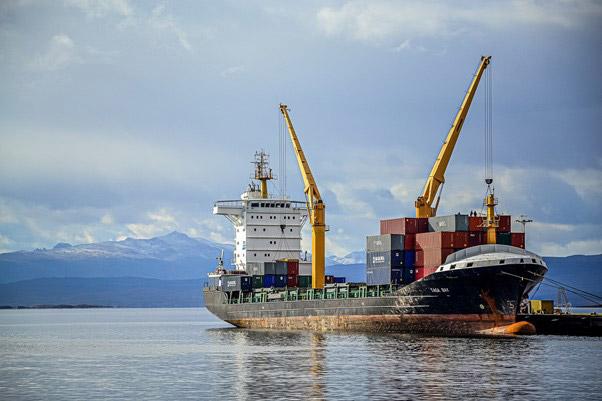
International shipping involves several businesses working together to move cargo from one country to another. Importers and exporters may deal with freight forwarders, shipping lines, customs brokers, trucking companies, warehouses, and port operators during a single shipment.
Two important players in this process are freight forwarders and shipping lines. Although their services are connected, they perform different roles. A freight forwarder usually arranges and coordinates the movement of goods, while a shipping line operates vessels and transports cargo by sea.
Understanding the difference can help businesses choose the right service, understand shipping responsibilities, and make better decisions when importing or exporting goods.
What Is a Freight Forwarder?
A freight forwarder is a company that arranges the transportation of goods on behalf of an importer or exporter. It helps businesses plan shipments, select suitable transport methods, coordinate with carriers, and manage the different stages of international cargo movement.
Freight forwarders do not necessarily own ships, aircraft, or trucks. Instead, they work with transportation providers to book cargo space and organise the movement of goods through suitable routes.
Depending on the shipment, a freight forwarder may arrange sea freight, air freight, road transport, or a combination of these methods. It may also coordinate cargo collection, shipping documentation, customs procedures, insurance, tracking, and final delivery.
For example, a business importing products from China may need the goods collected from a factory, transported to a port, shipped to another country, cleared through customs, and delivered to a warehouse. A freight forwarder can coordinate these steps and communicate with the service providers involved.
Businesses can explore how freight forwarding services coordinate different transport methods and shipment stages here:
https://nobleline.ae/services/freight-forwarding/
What Is a Shipping Line?
A shipping line is a company that operates vessels and transports cargo by sea. Shipping lines provide maritime transportation services for businesses moving goods between ports in different countries.
They operate or manage vessel capacity, establish sailing schedules, and transport containers and other cargo along shipping routes. Depending on the service, a shipping line may also provide container equipment, booking services, cargo handling coordination, and shipping documents.
Shipping lines are particularly important for international trade because sea freight is commonly used to move large quantities of goods over long distances. Products such as machinery, furniture, raw materials, vehicles, and commercial inventory are often transported by sea.
A shipping line’s main responsibility is the maritime transportation of cargo under the terms of its booking and transport contract. Other services, such as cargo collection, customs clearance, and final delivery, may be arranged separately or included through a wider logistics agreement.
The Main Difference Between Freight Forwarders and Shipping Lines
The main difference is their role in the shipping process.
A freight forwarder focuses on arranging and coordinating the shipment for the customer. It helps the business choose a route, book transportation, organise documents, and manage the movement of cargo across different stages.
A shipping line focuses on carrying cargo by sea. It operates vessels or manages vessel capacity and transports goods between ports according to its schedules and service routes.
A freight forwarder may book space with a shipping line on behalf of its customer. The shipping line then carries the cargo on the vessel. Both companies may be involved in the same shipment, but their responsibilities are different.
Freight Forwarder vs. Shipping Line: A Simple Comparison
| Feature | Freight Forwarder | Shipping Line |
|---|---|---|
| Main role | Arranges and coordinates cargo movement | Transports cargo by sea |
| Owns or operates vessels | Usually no | Yes, or operates as the vessel carrier |
| Transport options | May arrange sea, air, road, rail, or multimodal transport | Primarily sea freight |
| Works with multiple carriers | Often | Operates its own services or manages vessel capacity |
| Cargo booking | Books transport with suitable providers | Accepts bookings for its vessel services |
| Documentation | Coordinates shipping documents and may issue its own document depending on its role | Usually issues the carrier’s transport document |
| Customs support | May coordinate customs clearance or work with customs brokers | Usually limited to carrier-related requirements |
| Final delivery | May arrange door-to-door delivery | Usually focuses on port-to-port transportation unless additional services are offered |
The exact responsibilities depend on the contract, transport arrangement, and whether the company is acting as an agent or as a contractual carrier.
How Freight Forwarders and Shipping Lines Work Together
Freight forwarders and shipping lines often work together to move goods internationally. Their cooperation allows businesses to arrange a shipment without needing to manage every part of the transport process themselves.
The process may begin when an importer or exporter contacts a freight forwarder with details about the cargo, origin, destination, volume, and delivery deadline. The forwarder reviews the requirements and identifies a suitable shipping option.
If sea freight is selected, the forwarder books space with a shipping line. The cargo is then collected or delivered to the port, prepared for export, and loaded onto the vessel according to the booking.
The shipping line transports the cargo to the destination port. During this stage, the freight forwarder may monitor shipment progress and keep the customer informed.
When the vessel arrives, the shipment may need to go through import customs clearance before release. The forwarder can coordinate with a customs broker and arrange final delivery if those services are included in the agreement.
This division of responsibilities allows the shipping line to focus on maritime transportation while the freight forwarder manages the wider logistics arrangement.
What Is an NVOCC, and How Is It Different?
An NVOCC stands for Non-Vessel Operating Common Carrier. It is a company that provides ocean transportation services without operating its own vessels.
An NVOCC purchases cargo space from shipping lines and resells that space to shippers. It may issue its own House Bill of Lading and accept contractual carrier responsibility for the cargo, depending on the terms of the shipment.
This means an NVOCC is different from a traditional freight forwarder that acts only as an agent. An NVOCC can take on the role of a carrier in its contract with the shipper, even though it uses another company’s vessel to transport the goods.
The distinction can be important for businesses because it affects the transport documents, contractual responsibilities, and the party accountable under the shipping arrangement.
Which Service Does Your Business Need?
The right option depends on the shipment’s requirements and how much support the business needs.
When a Freight Forwarder May Be the Better Choice
A freight forwarder may be suitable when a business needs help managing several parts of the shipping process. This can include cargo collection, choosing between sea and air freight, arranging transport through multiple countries, coordinating documents, and organising delivery to the final destination.
Freight forwarding can be particularly useful for businesses that do not have a dedicated logistics team or regularly work with different suppliers and destinations.
When a Shipping Line May Be the Better Choice
A shipping line may be suitable when a business needs direct maritime transportation between ports and already has the resources to manage other logistics activities.
For example, a large exporter with regular container shipments may work directly with a shipping line to secure vessel space and manage its own inland transport, customs arrangements, and delivery.
However, businesses should consider whether they have the experience and resources to coordinate all the other stages of the shipment.
When an NVOCC May Be Suitable
An NVOCC may be useful when a business wants ocean freight services with a contractual carrier arrangement but does not need to book directly with a vessel-operating shipping line.
NVOCC services can also be useful for smaller shipments, consolidated cargo, or businesses that need access to container space through a logistics provider.
Factors to Consider Before Choosing a Provider
Businesses should consider more than the quoted freight rate when selecting a shipping provider.
The shipment’s size, weight, cargo type, destination, delivery deadline, and required services all affect which arrangement is suitable. A business should also understand whether the quotation includes only port-to-port transportation or covers additional services such as collection, customs coordination, storage, and final delivery.
It is important to review the transport documents and confirm which company is responsible for each part of the shipment. Clear communication can help prevent misunderstandings about charges, schedules, and cargo release.
Businesses should also ask how shipment updates will be provided and who to contact if a delay or problem occurs. Having a clear point of contact can make international shipping easier to manage.
How These Services Support International Trade
Freight forwarders and shipping lines both contribute to the movement of goods across international markets, but they support trade in different ways.
Shipping lines provide the maritime capacity needed to transport large volumes of cargo between countries. Freight forwarders help businesses organise shipments around their commercial requirements, connecting sea transport with other logistics services.
Together, these services help importers receive products from overseas suppliers and allow exporters to reach customers in international markets. Their cooperation supports supply chains that depend on reliable transportation, accurate documentation, and effective coordination.
For businesses moving cargo through international trade routes, understanding each provider’s role can make it easier to plan shipments and select services that match their needs.
Final Thoughts
Freight forwarders and shipping lines are both important in international trade, but they perform different functions. A freight forwarder arranges and coordinates the shipment, while a shipping line transports cargo by sea.
An NVOCC provides another option by arranging ocean transportation without operating vessels and may take on contractual carrier responsibilities. The most suitable choice depends on the cargo, route, budget, and level of logistics support required.
Businesses that understand these differences can make more informed shipping decisions, clarify responsibilities, and manage their international supply chains more effectively.
For more information about logistics and shipping services, visit:

 English
 Arabic
 French
 Portuguese
 Deutsch
 Turkish
 Dutch
 Italiano
 Russian
 Romaian
 Portuguese (Brazil)
 Greek
