

Common Causes of Hair Loss in Men and Available Treatment Options
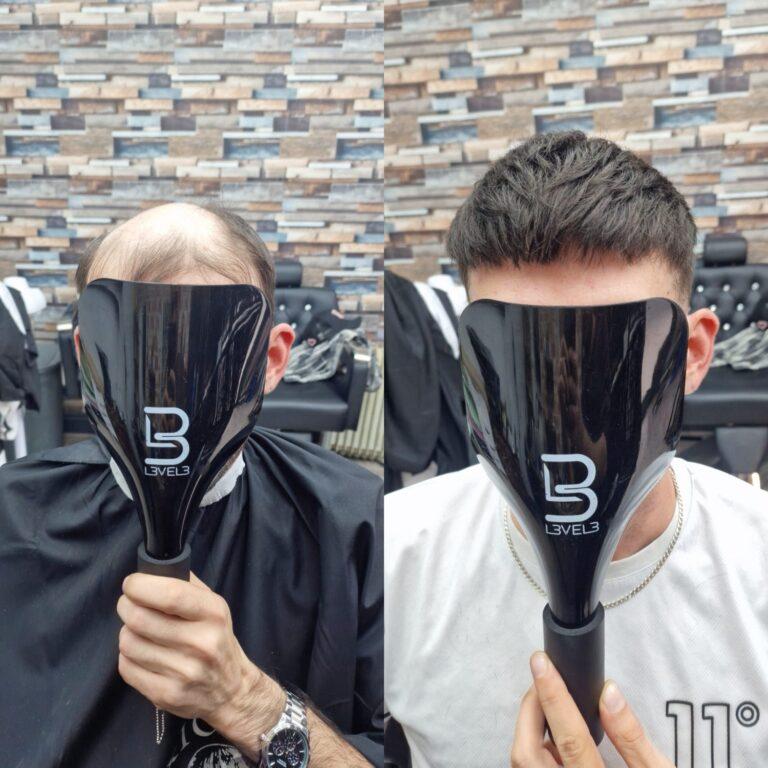
Hair loss is a common concern for men. For some, it begins with a slowly receding hairline or thinning around the crown. For others, hair may start shedding more heavily over a short period, leaving visible patches or an overall reduction in hair density. Although hair loss is often associated with ageing, it can happen at different stages of life and for several reasons.
Understanding the cause is an important first step towards choosing the right approach. Some types of hair loss are gradual and permanent, while others may be temporary or linked to a medical condition that can be treated. Available options range from medical treatments and hair transplant procedures to non-surgical hair replacement systems.
For men who want to understand their options, this guide explains common causes of hair loss and the treatments that may help.
1. Male Pattern Hair Loss
Male pattern hair loss, also known as androgenetic alopecia, is the most common cause of hair loss in men. It is influenced by genetics and hormones, particularly a hormone called dihydrotestosterone, or DHT.
DHT can affect sensitive hair follicles, causing them to gradually become smaller. As this happens, the hair produced by those follicles may become finer, shorter, and less noticeable. Over time, some follicles may stop producing visible hair.
Male pattern hair loss usually develops gradually. It often begins with a receding hairline, thinning at the temples, or a bald spot on the crown. The pattern can vary from person to person, and the condition may begin in early adulthood or become more noticeable later in life.
Available treatment options
Medical treatments such as topical minoxidil and prescription finasteride may help some men slow further hair loss or maintain existing hair. Results vary, and these treatments generally need to be continued to maintain their benefits. A GP or dermatologist can explain whether they are suitable and discuss possible side effects.
Hair transplant surgery may be an option for some men with stable pattern hair loss. It involves moving hair follicles from a donor area to areas where hair has become thinner. Suitability depends on factors such as the extent of hair loss, donor hair availability, and overall health.
Men who do not want medical treatment or surgery may consider a non-surgical hair replacement system. These systems cover areas of hair loss and can be customised to match the wearer’s hair colour, texture, density, and preferred style.
2. Genetics and Family History
Genetics plays an important role in male pattern hair loss. Men who have close relatives with a receding hairline, thinning crown, or baldness may have a greater likelihood of experiencing a similar pattern.
Hair loss can be inherited from either side of the family. However, family history does not predict exactly when hair loss will begin, how quickly it will progress, or how much hair a person will lose.
Available treatment options
There is no way to change inherited sensitivity to DHT through ordinary hair care. However, a healthcare professional may recommend treatments that help slow the progression of male pattern hair loss.
For men who prefer a cosmetic approach, hair replacement systems can provide coverage without changing the underlying cause of hair loss. The choice between medical treatment, surgery, and a hair system depends on personal goals, health, budget, and comfort.
3. Stress and Telogen Effluvium
Telogen effluvium is a type of temporary hair shedding that can occur after the body experiences physical or emotional stress. A trigger may cause more hairs than usual to enter the resting phase of the hair growth cycle. These hairs then shed, sometimes making the hair appear noticeably thinner.
Possible triggers include a serious illness, high fever, surgery, major stress, rapid weight loss, or a significant change in diet. Hair shedding may not become noticeable until some time after the triggering event, which can make the cause difficult to identify.
Available treatment options
Treatment usually focuses on identifying and addressing the underlying trigger. A healthcare professional may review recent illness, medication changes, diet, and other factors. If the cause is temporary and resolved, hair often begins to recover over time.
Men experiencing sudden or heavy shedding should not automatically assume that stress is the cause. A GP can help determine whether further examination or blood tests are needed.
4. Nutritional Deficiencies
Hair growth depends on the body receiving adequate nutrients. A restrictive diet, rapid weight loss, or certain nutritional deficiencies may contribute to increased shedding or weaker hair.
Iron deficiency is one possible cause, while inadequate overall nutrition may also affect hair health. However, taking extra vitamins or supplements without knowing whether a deficiency exists is not always helpful and may sometimes be harmful.
Available treatment options
A healthcare professional may recommend blood tests if a nutritional deficiency is suspected. If a deficiency is confirmed, treatment may involve improving the diet or taking a suitable supplement under professional guidance.
A balanced diet can support general health and normal hair growth, but it cannot reverse every type of hair loss. Men with inherited male pattern hair loss may need a different treatment approach.
5. Thyroid Problems and Other Medical Conditions
The thyroid gland helps regulate several body functions, including metabolism. An underactive or overactive thyroid may contribute to changes in hair growth and increased shedding.
Other medical conditions can also affect the hair and scalp. In some cases, hair loss may be associated with an illness, inflammation, or a condition that requires medical attention.
Available treatment options
The appropriate treatment depends on the medical condition involved. A GP may review symptoms, examine the scalp, and arrange tests where necessary.
Treating the underlying condition may help reduce shedding or allow hair to recover. If hair loss continues or the cause is unclear, a referral to a dermatologist may be appropriate.
6. Alopecia Areata
Alopecia areata is an autoimmune condition in which the immune system affects hair follicles. It often causes smooth, round or oval patches of hair loss on the scalp, although it can also affect facial or body hair.
The condition can develop suddenly, and its course varies. Some people experience regrowth, while others may have repeated episodes or more extensive hair loss.
Available treatment options
Treatment depends on the extent of hair loss and the individual’s circumstances. A dermatologist may recommend corticosteroid injections or topical treatments for certain cases. Other specialist treatments may be considered when hair loss is more extensive.
A hair replacement system may provide cosmetic coverage for men who want an immediate change in appearance while discussing medical options with a healthcare professional. It does not treat the autoimmune condition itself.
7. Medication and Medical Treatment
Some medicines can cause hair shedding as a side effect. Hair loss may also occur during or after certain medical treatments, including chemotherapy. The timing and amount of shedding depend on the medication and the individual.
Men should not stop taking prescribed medication because of hair loss without first speaking to the prescribing healthcare professional. There may be an alternative medicine or another way to manage the side effect.
Available treatment options
A doctor can review the medication and determine whether it may be contributing to hair loss. In some cases, shedding may improve after treatment ends or the medication is changed, but this depends on the specific situation.
For men who experience significant hair loss during medical treatment, wigs or non-surgical hair replacement systems may offer a cosmetic option. The scalp should be assessed before fitting, particularly if it is sensitive, irritated, or affected by treatment.
8. Scalp Conditions and Hair Damage
Hair loss or breakage may sometimes be linked to scalp conditions, inflammation, infection, or repeated damage to the hair. Persistent itching, scaling, redness, pain, or broken hairs can indicate that the scalp needs medical attention.
Some conditions can cause scarring, which may permanently damage hair follicles. This is one reason it is important not to ignore unusual or rapidly changing hair loss.
Available treatment options
Treatment depends on the cause. A healthcare professional may recommend medication or other treatment for an infection or inflammatory condition. Hair styling practices may also need to be changed if they are contributing to breakage.
A hair replacement fitting should be delayed if the scalp is actively inflamed, infected, or has broken skin. A healthy scalp is important for safe and comfortable system application.
9. Available Treatment Options for Men
There is no single treatment that works for every type of hair loss. The most suitable option depends on the cause, the amount of hair loss, the condition of the scalp, and the results a person hopes to achieve.
Minoxidil
Minoxidil is a topical treatment used for certain types of hair loss, including male pattern hair loss. It may help some men slow shedding or improve hair growth, but results vary.
It can take several months to assess whether it is working. Continued use is generally needed to maintain the benefit, and possible side effects should be discussed with a healthcare professional.
Finasteride
Finasteride is a prescription medicine used for male pattern hair loss. It works by reducing the effect of DHT on hair follicles and may help slow further hair loss in some men.
It is not suitable for everyone and can cause side effects. Men should discuss the potential benefits and risks with a qualified healthcare professional before starting treatment.
Hair Transplant Surgery
Hair transplant surgery involves moving hair follicles from a donor area to areas affected by hair loss. It may provide a long-term result for suitable candidates, but it is a surgical procedure and requires careful assessment.
Not every man has enough suitable donor hair, and a transplant does not prevent future hair loss in untreated areas. A qualified specialist can explain likely outcomes, limitations, and aftercare.
Non-Surgical Hair Replacement Systems
A non-surgical hair replacement system is a customised hairpiece designed to cover thinning or bald areas. It may be suitable for men who want a visible change without surgery or who do not wish to use medication.
Systems can be made using human hair and selected to match the wearer’s colour, texture, density, and hairline. The result depends on proper fitting, cutting, blending, and ongoing maintenance.
For men considering this option, a consultation can help determine which system and fitting approach may be suitable. London Hair Replacement provides private consultations and non-surgical hair replacement services for men experiencing different types of hair loss.
More information about the fitting process is available here:
https://www.londonhairreplacement.co.uk/new-hair-system/
10. How to Choose the Right Hair Loss Approach
Choosing a treatment begins with understanding what is causing the hair loss. Gradual thinning that follows a typical male pattern may need a different approach from sudden shedding, patchy hair loss, or hair loss accompanied by scalp irritation.
A GP or dermatologist can help identify the cause and explain medical options. This is especially important if hair loss is sudden, occurs in patches, is accompanied by pain or inflammation, or affects other areas of the body. The NHS advises seeking medical guidance to understand the cause before visiting a commercial hair clinic.
Once the cause is understood, men can compare options based on their priorities. Some may prefer to try medical treatment to preserve existing hair. Others may consider surgery, while some may choose a non-surgical system for immediate cosmetic coverage.
It is also reasonable to combine approaches when appropriate. For example, a man may discuss medical treatment with a doctor while using a hair replacement system to address the appearance of thinning.
Final Thoughts
Hair loss in men can develop for many reasons, including genetics, hormonal changes, stress, nutritional deficiencies, medical conditions, medication, and scalp disorders. Because the causes differ, the right treatment depends on an accurate assessment rather than a one-size-fits-all solution.
Medical treatments may help some men slow hair loss or encourage regrowth, while hair transplant surgery may be suitable for selected candidates. Non-surgical hair replacement systems offer another option for men who want to restore the appearance of fuller hair without surgery.
The most important step is to understand the cause, seek medical advice when needed, and choose an approach that fits personal needs and expectations.
For more information about non-surgical hair replacement and available services, visit:

 English
 Arabic
 French
 Spanish
 Portuguese
 Deutsch
 Turkish
 Italiano
 Russian
 Romaian
 Portuguese (Brazil)
 Greek
