

What Is the Difference Between Wired and Wireless Home Automation?
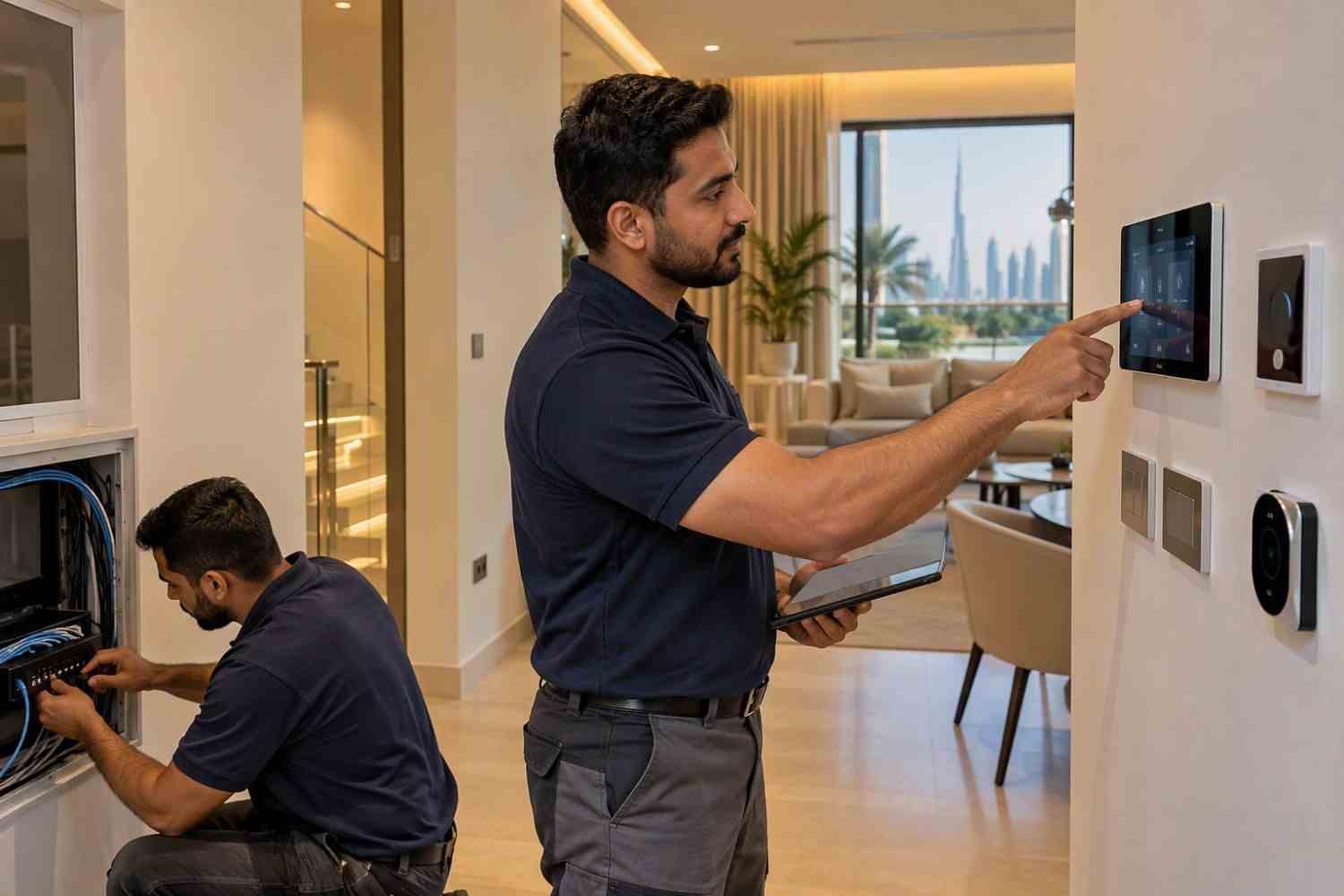
Choosing between wired and wireless systems is an important step when planning a smart home. A Home Automation company dubai can help homeowners understand how both options work and which one may suit their property. Both systems allow people to control lights, curtains, air conditioning, security devices, and other home features. However, they use different methods to connect devices. Understanding these differences can help homeowners make a better decision based on their budget, property design, and daily needs.
What Is Wired Home Automation?
Wired home automation uses physical cables to connect smart devices with a central control system. These cables carry signals between different devices, switches, sensors, and controllers. Most of the wiring is installed inside walls, ceilings, or other hidden areas.
This system is often planned during the construction or renovation stage. Electricians can install the required cables before the walls are finished. This makes it easier to connect different devices without leaving visible wires.
Wired systems are commonly used for lighting control, air conditioning, curtain control, and security systems. Since devices communicate through physical connections, they do not depend on a wireless signal for their main communication.
However, adding new devices after installation may require extra wiring. This can make future changes more difficult if the property was not designed for expansion.
What Is Wireless Home Automation?
Wireless home automation connects smart devices through wireless communication methods such as Wi-Fi, Zigbee, Z-Wave, or other supported technologies. It does not require every device to have a separate physical data cable.
For example, a homeowner can connect smart bulbs, sensors, switches, and curtains to a compatible control system. These devices can communicate through a wireless network or a central hub.
Wireless automation is often suitable for existing homes and apartments where installing new cables may be difficult. Homeowners can add devices without making major changes to walls or ceilings.
However, wireless systems need a reliable network and compatible devices. The distance between devices, wall materials, and signal interference can affect communication. Some systems also need batteries for sensors and other small devices.
Main Differences Between Wired and Wireless Systems
The biggest difference is how both systems connect their devices. Wired automation uses physical cables, while wireless automation uses radio signals and network connections.
There are also differences in installation, maintenance, flexibility, and future upgrades.
1. Installation Process
Wired systems usually need more planning before installation. Cables must be placed in suitable locations, and the electrical layout needs to support the automation system. This is easier during new construction or major renovation work.
Wireless systems are generally easier to install in completed properties. Many devices can be added without opening walls or changing the existing electrical layout. This can save time when upgrading an older home.
2. Installation Cost
The cost of wired automation depends on the size of the property, cable requirements, devices, and installation work. Additional construction work may increase the total cost, especially when cables need to be installed inside finished walls.
Wireless systems may reduce wiring and labour costs. However, the final price still depends on the number of devices, communication hubs, software, and selected features.
Neither option is always cheaper. Homeowners should compare the complete installation cost instead of looking only at the device price.
3. Connection Reliability
Wired systems use physical connections, which can provide stable communication between connected devices. They are less affected by common wireless signal problems.
Wireless systems depend on signal strength and network performance. Thick walls, long distances, and interference from other devices may affect communication.
A properly planned wireless network can still work well. The important point is to check the property's layout and network coverage before installation.
4. Maintenance Requirements
Wired systems usually need less attention to battery replacement because many connected devices receive power through electrical connections. However, cable damage or controller problems may require technical support.
Wireless systems may need occasional battery replacement for sensors and other battery-powered devices. Software updates and network checks may also be required.
Regular maintenance helps both systems continue working properly.
Which System Is Better for Existing Homes?
For an existing apartment or villa, wireless automation can be a practical choice. It allows homeowners to add smart devices without making major changes to the building structure.
For example, a homeowner may want to control bedroom lights, living room curtains, and air conditioning through a mobile app. Wireless devices can often provide these features with less installation work.
Wired automation can also be installed in existing homes, but it may require additional planning and cable installation. The amount of work depends on the building design and available wiring routes.
Which System Is Better for New Homes?
Wired automation can be a suitable option for new homes because cables can be planned before construction is complete. This allows the system to connect different rooms and devices through a planned layout.
Homeowners can decide where to install smart switches, sensors, control panels, and other equipment. They can also plan for future requirements by including extra cables or suitable connections.
Wireless devices can also be included in new homes. Some homeowners prefer a combination of wired and wireless technology to get more flexibility.
Can Wired and Wireless Automation Work Together?
Yes, both technologies can work together in a hybrid home automation system. This approach uses wired connections for important devices and wireless connections for features that may need more flexibility.
For example, lighting and air conditioning controls may use wired connections, while additional sensors or smart plugs may use wireless communication.
A hybrid setup can be useful when homeowners want stable connections but also want the freedom to add new devices later.
However, compatibility is important. Devices, controllers, and software must support communication with each other. Planning this before installation can help avoid connection problems.
What Should Homeowners Check Before Choosing?
Before selecting a system, homeowners should consider their property type, budget, network coverage, and future requirements.
They should also check whether the selected system supports the devices they want to control. Some systems work with specific brands or communication standards, while others support a wider range of products.
It is also useful to ask about maintenance, software updates, warranty coverage, and the availability of technical support. These details can affect the long-term use of the system.
For anyone comparing installation options, speaking with a Home Automation company dubai can help explain the technical requirements of wired, wireless, and hybrid systems based on the property's layout.

 English
 Arabic
 French
 Spanish
 Portuguese
 Deutsch
 Turkish
 Dutch
 Italiano
 Russian
 Portuguese (Brazil)
 Greek
