

Risks of DIEP Flap Breast Reconstruction in Dubai
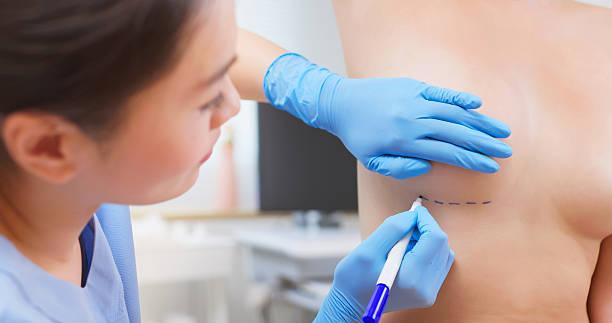
Every major operation involves potential complications, and DIEP Flap Breast Reconstruction in Dubai is no exception. Although the technique transfers a patient's own abdominal skin and fat while aiming to preserve the abdominal muscle, it still involves microsurgery, multiple incisions and a demanding recovery process. Understanding the possible risks helps patients have more informed discussions with their surgical team.
Surgical and Anaesthesia Risks of DIEP Flap Breast Reconstruction in Dubai
DIEP flap reconstruction is generally performed under general anaesthesia. As with other major operations, patients may experience complications related to anaesthesia, bleeding, infection or blood clot formation.
The likelihood of complications varies according to individual health, surgical complexity and other medical factors. A detailed preoperative assessment helps identify concerns that may need additional evaluation or management.
Potential general surgical risks include:
-
Bleeding or the development of a collection of blood under the skin.
-
Infection at the chest or abdominal incision.
-
Delayed wound healing.
-
Fluid accumulation, known as a seroma.
-
Blood clots in the legs or lungs.
-
Reactions or complications associated with anaesthesia.
The surgical team should explain which risks are particularly relevant to the patient's circumstances.
Microsurgical Complications and Flap Blood Supply
One of the most important considerations in DIEP flap surgery is maintaining a reliable blood supply to the transferred tissue.
The surgeon connects small blood vessels from the abdominal flap to blood vessels in the chest using microsurgical techniques. If these connections become blocked or blood circulation becomes inadequate, the flap may be at risk.
Possible complications include:
Vascular compromise: Reduced or interrupted blood flow can threaten the transferred tissue. This may require urgent surgical assessment and, in some cases, another operation to restore circulation.
Partial flap loss: A portion of the transferred tissue may not survive if its blood supply is insufficient.
Total flap loss: In uncommon but serious circumstances, the entire transferred flap may be lost despite surgical intervention.
This is why close monitoring during the early postoperative period is an essential part of care.
Donor-Site Complications and Abdominal Health
Although the DIEP technique is designed to preserve the rectus abdominis muscle, tissue removal and abdominal closure can still affect the donor area.
Possible abdominal complications include:
-
Weakness or changes in abdominal muscle function.
-
Bulging or contour irregularities.
-
Incisional hernia.
-
Persistent discomfort or tightness.
-
Wound-healing problems.
-
Changes in sensation around the lower abdomen.
Preserving the muscle does not mean the abdomen is entirely unaffected. Previous abdominal surgery, existing hernias and individual anatomy may influence the surgical plan and potential donor-site risks.
Breast Shape, Sensation and Tissue-Related Concerns
The reconstructed breast may not have the same appearance or sensation as the original breast. Differences in shape, volume, position or symmetry can remain after healing.
Another possible complication is fat necrosis, which occurs when some transferred fatty tissue does not receive enough blood supply and becomes damaged. This may create firm areas or lumps within the reconstructed breast and sometimes requires further assessment.
Scarring and altered sensation are also possible. The breast may have reduced feeling, and the donor-site scar remains a consideration when evaluating the overall outcome.
Additional procedures may sometimes be discussed to address contour or symmetry concerns.
Factors That May Increase Surgical Risk
Individual risk is influenced by more than the surgical technique. A patient's health history, lifestyle and previous treatments can all affect the likelihood of complications.
Factors that deserve discussion include:
-
Smoking or nicotine use.
-
Diabetes or poorly controlled blood sugar.
-
Cardiovascular or circulation-related conditions.
-
Previous abdominal surgery.
-
Existing abdominal wall weakness or hernia.
-
Certain medications that affect bleeding or healing.
-
Previous radiotherapy or other cancer treatments.
Patients should provide a complete medical history and disclose all prescription medicines, supplements and nicotine use. Medication changes should only be made under medical guidance.
Reducing Risk Through Careful Planning and Monitoring
No surgical approach can eliminate every complication. However, careful assessment and appropriate postoperative care can help manage risk.
Before surgery, patients should discuss their medical suitability, the surgeon's experience with microsurgical reconstruction, the hospital setting and the arrangements for postoperative monitoring.
After surgery, following instructions about wound care, movement, medication and appointments is equally important. Any sudden change in the reconstructed breast or concerning symptoms should be reported immediately.
Clinic Note: Risk assessment for DIEP flap reconstruction must be individualised. A consultation should cover both the potential benefits and the possible complications, including risks involving the reconstructed breast and abdominal donor site.
Frequently Asked Questions
Is DIEP flap breast reconstruction a major operation?
Yes. It is a complex microsurgical procedure involving tissue transfer, blood-vessel connections and incisions at the chest and abdomen. It requires general anaesthesia and postoperative monitoring.
Can the transferred tissue fail?
Yes. Although the procedure aims to establish a reliable blood supply, vascular complications can lead to partial or complete flap loss.
Does DIEP flap surgery cause abdominal weakness?
It can. The technique is designed to preserve the abdominal muscle, but weakness, bulging or hernia may still occur.
Can fat necrosis develop after DIEP flap reconstruction?
Yes. Fat necrosis can occur when part of the transferred fatty tissue does not receive sufficient blood supply. Any new lump or persistent change should be assessed by a medical professional.
How can patients understand their individual risks?
A detailed consultation, medical history review and appropriate preoperative investigations help the surgical team explain the risks relevant to each patient.
Make an Informed Decision About Breast Reconstruction
Understanding complications is part of responsible surgical decision-making. Patients should have time to discuss their medical history, treatment goals, alternatives and recovery expectations before proceeding.
To learn more about the procedure and the questions to discuss during a consultation, visit DIEP Flap Breast Reconstruction in Dubai at Tajmeels Clinic.

 English
 Arabic
 French
 Spanish
 Portuguese
 Deutsch
 Turkish
 Dutch
 Italiano
 Russian
 Romaian
 Greek
