

Hair Loss Treatment Solutions for Improving Overall Hair Coverage
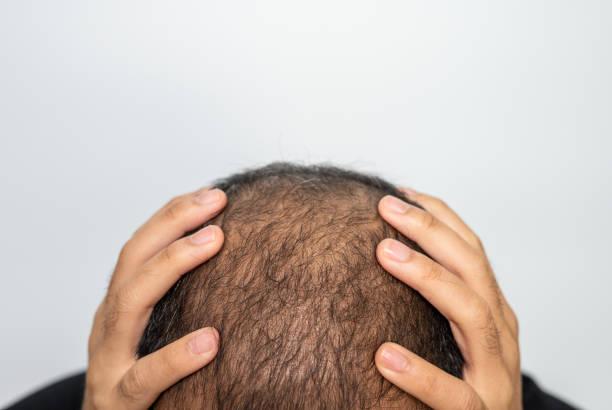
Healthy, full-looking hair contributes significantly to personal appearance and confidence. However, excessive shedding, gradual thinning, and reduced follicle activity can affect overall scalp coverage over time. Some individuals notice thinning around the crown, while others experience a receding hairline or reduced density across larger scalp areas. These changes may develop because of genetics, hormonal fluctuations, nutritional deficiencies, stress, or underlying medical conditions. Modern Hair loss treatment in Riyadh focuses on identifying the causes of reduced hair coverage and exploring suitable restoration methods that support healthier growth and improve hair density.
Achieving better hair coverage requires more than simply addressing visible thinning. Understanding the condition of existing follicles, the pattern of hair loss, and the factors affecting scalp health is essential when selecting a restoration approach. Modern hair therapies offer different options, including medical management, scalp procedures, and surgical restoration. Each method serves a different purpose and may produce varying outcomes depending on individual needs. Choosing Hair loss treatment in Riyadh begins with a professional evaluation to develop an appropriate plan for improving overall hair appearance.
Understanding the Importance of Overall Hair Coverage
Hair coverage refers to how evenly hair is distributed across the scalp and how much density it provides. When follicles gradually produce finer strands or stop producing hair, certain areas may become more visible. Reduced coverage can affect the crown, temples, frontal hairline, or other scalp regions. Understanding the distribution of thinning helps specialists identify the hair loss pattern and determine suitable treatment options.
Common Causes of Reduced Hair Density
Several factors can contribute to changes in overall hair coverage. Hereditary hair loss is among the most common causes and can gradually reduce follicle size. Hormonal changes, nutritional deficiencies, thyroid disorders, stress, and certain medications may also contribute to excessive shedding. Inflammatory scalp conditions can affect follicle health as well. Identifying the underlying cause is important for selecting an effective management strategy.
Modern Solutions for Improving Hair Coverage
Hair restoration approaches are selected according to the severity of thinning, follicle activity, and individual expectations. Some methods aim to support existing follicles, while others address areas where hair density has significantly decreased. A personalized assessment helps determine the most appropriate option.
Platelet-Rich Plasma Therapy
Platelet-rich plasma, commonly known as PRP, uses a concentrated preparation obtained from the patient's blood. It contains platelets and growth factors that are administered into selected scalp areas. PRP may help improve hair density in certain individuals experiencing pattern hair loss. The number of sessions and potential results depend on individual follicle condition and treatment response.
Hair Mesotherapy
Hair mesotherapy involves administering selected formulations into targeted scalp areas. Depending on the preparation, ingredients may include vitamins, minerals, amino acids, and other compounds. The treatment is intended to support the scalp environment and address specific hair-related concerns. However, evidence for different mesotherapy formulations remains limited, so professional advice is important before considering this approach.
Medical Treatments for Hair Density
Medical treatments may help manage specific types of hair loss and maintain existing hair. Depending on the diagnosis, specialists may recommend topical minoxidil or other suitable medications. Some treatments can help slow progressive thinning or improve density in appropriate candidates. Consistent use may be necessary to maintain benefits, and possible side effects should be discussed with a healthcare professional.
Hair Transplantation for Greater Coverage
Hair transplantation may be considered when certain scalp areas have experienced significant and persistent hair loss. The procedure involves relocating healthy follicles from a donor region to areas with reduced coverage. Modern techniques allow careful placement according to natural hair direction and distribution. Donor hair availability, scalp health, and the stability of hair loss are important considerations before surgery.
The Role of Scalp Health in Hair Coverage
A healthy scalp provides an important environment for normal follicle activity. Persistent inflammation, fungal infections, and certain skin conditions may contribute to irritation and temporary shedding. Managing these concerns can help protect existing hair and improve scalp comfort. Specialists may recommend appropriate medicated products or medical treatments depending on the diagnosis.
Nutrition and Lifestyle for Maintaining Hair Density
Hair follicles require adequate nutrients to support normal growth and maintenance. A balanced diet containing protein, iron, zinc, and essential vitamins contributes to general hair health. Avoiding excessive heat styling, harsh chemical treatments, and tight hairstyles can reduce unnecessary hair damage. Regular sleep, stress management, and healthy daily habits also support overall well-being.
What to Expect During a Hair Restoration Journey
Improving hair coverage is usually a gradual process because hair grows in natural cycles. Some treatments require repeated sessions, while medical approaches may involve consistent long-term use. Temporary redness, tenderness, or mild swelling can occur after certain scalp procedures. Visible changes may take several months, depending on the selected method and individual response. Follow-up assessments help monitor progress and adjust treatment when necessary.
Choosing a Personalized Hair Restoration Plan
Every hair loss pattern is different, so treatment selection should reflect individual requirements. Specialists consider hair density, follicle activity, scalp condition, medical history, and personal goals before recommending an approach. Some individuals may benefit from non-surgical treatments, while others may require transplantation. Understanding the expected outcomes and limitations of each option helps establish realistic expectations.
Book Your Hair Consultation at Royal Clinic Saudi
If thinning hair or reduced scalp coverage is affecting your confidence, professional guidance can help you explore suitable restoration options. Royal Clinic Saudi offers consultations to assess individual hair concerns and discuss available treatments. Book an appointment to receive personalized guidance based on your hair condition and restoration goals.
FAQs:
1. What causes reduced hair coverage?
Genetics, hormonal changes, nutritional deficiencies, and certain scalp conditions can reduce hair density.
2. Can PRP improve overall hair coverage?
PRP may improve hair density in suitable individuals.
3. Is hair transplantation effective for increasing coverage?
It can restore hair in selected areas when sufficient donor follicles are available.
4. How long does hair restoration take?
Visible improvements may take several months, depending on the treatment.

 English
 Arabic
 French
 Spanish
 Portuguese
 Deutsch
 Turkish
 Dutch
 Italiano
 Russian
 Portuguese (Brazil)
 Greek
