

What Are the Latest Advancements in Liposuction Techniques?
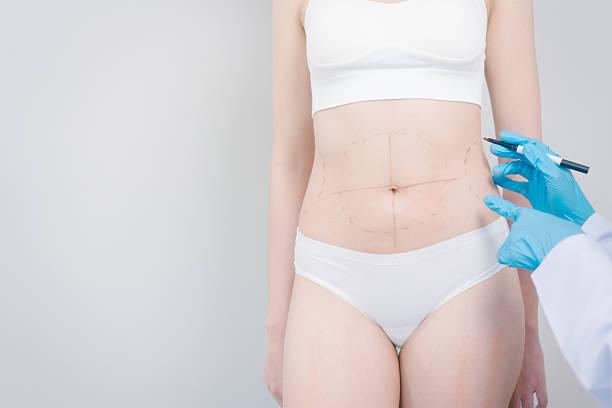
Liposuction has evolved considerably over the years, with modern techniques offering different approaches to removing localized fat and improving body contours. Traditional suction-assisted methods remain widely used, while newer technologies incorporate ultrasound, laser energy, mechanical assistance, water jets, and radiofrequency. These developments aim to improve surgical precision, tissue handling, and, in selected cases, skin contraction. Patients researching Best Liposuction in Riyadh may come across several advanced treatment options, each with different features and limitations. Understanding how these techniques work can help patients have more informed discussions with their surgeons before choosing a procedure.
Modern liposuction is not based on a single technology that suits everyone. The appropriate approach depends on the patient's anatomy, fat distribution, skin elasticity, treatment area, and medical history. Some techniques may make fat extraction more efficient, while others are designed to assist with tissue tightening or body sculpting. When comparing options for Best Liposuction in Riyadh, patients should remember that newer equipment does not automatically guarantee better results. A qualified surgeon's experience and an individualized treatment plan remain essential.
What Are the Latest Developments in Liposuction Techniques?
Several established techniques have continued to develop through improvements in surgical instruments and energy-delivery systems. The following approaches are commonly discussed in modern body-contouring practice.
Power-Assisted Liposuction (PAL)
Power-assisted liposuction uses a specialized cannula that moves rapidly to help loosen and remove fat. Its mechanical movement can reduce the amount of manual effort required from the surgeon during fat extraction.
Potential features include:
-
More efficient fat aspiration in selected treatment areas.
-
Greater ease when working with fibrous fat deposits.
-
Improved instrument control for experienced surgeons.
PAL may be useful for treating larger areas or certain previously treated regions, depending on the patient's anatomy and surgical plan.
Ultrasound-Assisted Liposuction (UAL)
Ultrasound-assisted liposuction uses sound-wave energy to help break down or emulsify fat before it is removed. VASER is a well-known example of this approach.
The technique may be particularly useful in fibrous areas and certain advanced body-contouring procedures. It can help the surgeon separate fat for extraction, although results depend on appropriate technique and patient selection. Ultrasound energy also requires careful handling because excessive or poorly controlled energy can cause thermal injury.
Laser-Assisted Liposuction (LAL)
Laser-assisted liposuction uses laser energy to affect fat tissue before extraction. The heat generated may also stimulate some degree of collagen contraction in the treated area.
Potential applications include localized fat removal and selected cases where mild skin contraction is desirable. However, laser-assisted liposuction does not guarantee significant skin tightening, especially when substantial loose skin is present. Patients should discuss possible burns, tissue injury, and other risks with their surgeon.
Water-Assisted Liposuction (WAL)
Water-assisted liposuction uses a controlled stream of fluid to help loosen fat cells while the surgeon removes them. This approach is designed to separate fat tissue through a water-jet mechanism.
It may offer advantages in tissue handling and has been associated with favorable early recovery experiences in some studies. However, outcomes vary, and there is not enough comparative evidence to establish that it is universally superior to other methods.
Radiofrequency-Assisted Liposuction (RFAL)
Radiofrequency-assisted liposuction combines fat removal with controlled radiofrequency energy. The energy heats tissue and may encourage collagen contraction, potentially improving skin firmness in selected patients.
This approach may be considered when localized fat deposits occur alongside mild to moderate skin laxity. It is not a substitute for skin-removal surgery when there is significant excess skin. Careful energy control is important because thermal injuries and fluid collections are possible complications.
How Are Modern Liposuction Techniques Improving Body Contouring?
Advancements in liposuction focus on more than simply removing fat. Modern approaches aim to support careful contouring and individualized treatment planning.
More Controlled Fat Removal
Improved instruments and energy-assisted devices can help surgeons work with fat tissue in different anatomical areas. This may be useful when treating fibrous regions or performing detailed contour refinement.
Better Options for Selected Skin-Tightening Needs
Some laser- and radiofrequency-assisted approaches may produce additional tissue contraction. The extent of improvement depends on skin quality, treatment settings, and individual healing. Patients with significant skin looseness may require a different surgical solution.
More Individualized Treatment Planning
Surgeons can select from different techniques according to the patient's body structure and treatment goals. Rather than choosing a method because it is advertised as the newest, the focus should be on selecting an appropriate approach for the individual.
Are Newer Liposuction Techniques Better Than Traditional Liposuction?
Not necessarily. Traditional suction-assisted liposuction remains an established option for removing localized fat deposits. Newer methods may offer specific advantages in tissue handling, surgical efficiency, or selected skin-tightening applications, but they do not consistently produce better results for every patient.
The available comparative evidence remains limited, and studies do not establish one technique as universally superior. The choice should depend on the patient's needs, the surgeon's expertise, and the potential benefits and risks of each approach. Patients exploring Best Liposuction in Riyadh should ask their surgeon why a particular method is recommended rather than assuming an advanced device will automatically deliver a better outcome.
What Should You Consider Before Choosing an Advanced Liposuction Technique?
Before proceeding with any modern liposuction procedure, patients should consider several important factors.
Surgeon Qualifications and Experience
Verify the surgeon's specialist qualifications, licensing, and experience with the specific technique being recommended. Familiarity with a device is not enough; appropriate surgical judgment and anatomical knowledge are essential.
Individual Suitability
Your skin elasticity, fat distribution, general health, and expectations influence which procedure may be appropriate. A consultation should include a medical assessment rather than a recommendation based only on your preferred technology.
Risks and Recovery Requirements
Every liposuction technique involves potential complications. Ask about swelling, bruising, infection, fluid accumulation, contour irregularities, changes in sensation, and possible thermal injuries with energy-assisted methods. Also discuss compression garments, activity restrictions, and follow-up appointments.
The Future of Liposuction and Body Contouring
Ongoing developments include refinements in ultrasound-assisted systems, improved energy-delivery controls, and combinations of surgical and non-surgical body-contouring technologies. Researchers are also exploring better ways to measure skin contraction, long-term contour stability, and patient satisfaction. However, more high-quality comparative research is needed to determine which innovations provide meaningful advantages over established approaches. For patients considering Best Liposuction in Riyadh, the most important development is access to a treatment plan based on reliable evidence, professional expertise, and individual needs.
Book Your Consultation at Royal Clinic Saudia
If you are considering modern liposuction, Royal Clinic Saudia can help you explore available body-contouring options through a personalized consultation. Discuss your treatment goals, medical history, skin condition, and suitability for different techniques with the clinical team. Booking an appointment can help you understand the potential benefits, limitations, risks, and recovery requirements before making a decision.
FAQs:
What is the most advanced liposuction technique available?
There is no single technique that is best for everyone. Ultrasound-assisted, power-assisted, laser-assisted, water-assisted, and radiofrequency-assisted methods each have different applications and limitations.
Does advanced liposuction provide better results than traditional liposuction?
Not always. Advanced techniques may offer specific advantages, but the final outcome depends on patient suitability, surgical planning, technique, and the surgeon's experience.
Can modern liposuction techniques tighten loose skin?
Some energy-assisted methods may provide modest skin contraction in selected patients. However, they cannot reliably correct significant loose skin, which may require a different procedure.
How can I choose the right liposuction technique?
A qualified surgeon should assess your anatomy, skin elasticity, health, and treatment goals before recommending a technique. Ask about expected results, potential complications, and recovery requirements during your consultation.

 English
 Arabic
 French
 Spanish
 Portuguese
 Deutsch
 Turkish
 Dutch
 Italiano
 Russian
 Portuguese (Brazil)
 Greek
