

Can Patagonia Group Tours include destinations in both Argentina and Chile?
INTRODUCTION
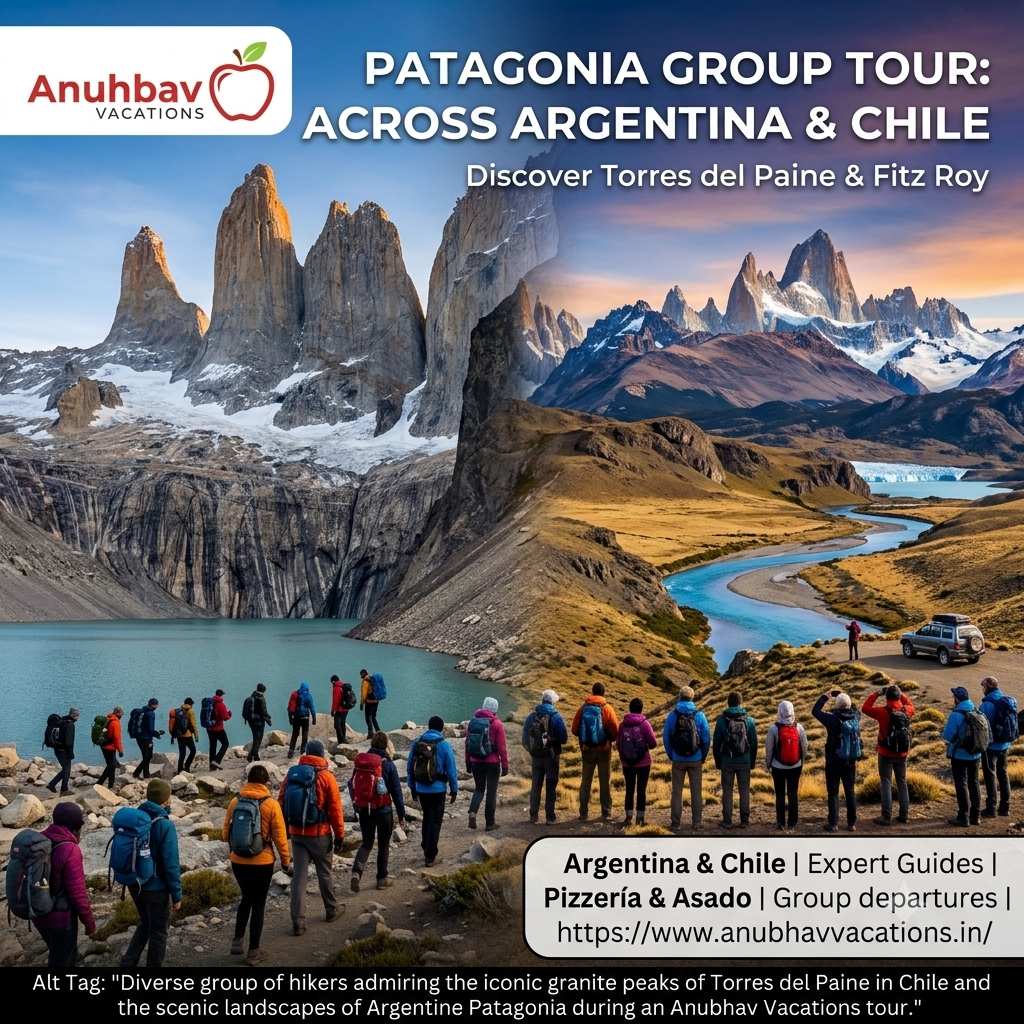
Patagonia Group Tours offer an excellent opportunity to discover the spectacular landscapes of both Argentina and Chile in one memorable holiday. Patagonia is a vast geographical region shared by these two South American countries, famous for its snow-covered mountains, enormous glaciers, turquoise lakes, national parks and remarkable wildlife. Travellers do not have to limit their experience to just one side of the Andes. With a well-planned itinerary, a group journey can combine Argentina’s iconic destinations, such as El Calafate and El Chaltén, with Chilean highlights like Torres del Paine National Park and Puerto Natales. This cross-border experience allows visitors to appreciate the different natural environments, cultures and outdoor adventures that make Patagonia such a remarkable destination.
Understanding Patagonia Across Two Countries
Patagonia is not a separate country but a large region extending across southern Argentina and Chile. The Andes Mountains form an important geographical divide between the two sides, creating noticeable differences in landscapes.
Argentine Patagonia is widely recognised for its vast open steppe, dramatic mountain ranges, glacial lakes and impressive ice fields. Destinations such as El Calafate, El Chaltén and Bariloche attract travellers interested in trekking, glacier excursions, photography and outdoor activities.
Chilean Patagonia, on the other hand, is known for its fjords, dense forests, rugged coastlines, rivers and spectacular national parks. Torres del Paine, Puerto Natales and the Carretera Austral are among its best-known destinations.
Combining both countries gives travellers a broader understanding of Patagonia. Instead of experiencing only one landscape type, visitors can explore different ecosystems, scenery and local traditions during the same holiday.
Exploring Argentine Patagonia During a Group Tour
Argentina offers several remarkable destinations that can form the first part of a cross-border itinerary.
1. El Calafate and Perito Moreno Glacier
El Calafate is one of the most popular starting points for exploring Argentine Patagonia. The town provides access to Los Glaciares National Park and the famous Perito Moreno Glacier.
Visitors can admire the enormous ice formation from designated viewing walkways, where different platforms offer views of the glacier's towering blue-white walls. The sound of ice breaking and falling into the water can make the experience particularly memorable.
Depending on the season and tour arrangements, travellers may also have opportunities to join boat excursions that approach the glacier. These activities provide a different perspective on the scale of the surrounding ice formations.
For group travellers, El Calafate is a convenient destination because it offers accommodation, restaurants, guided excursions and transport connections.
2. El Chaltén and Its Mountain Landscapes
El Chaltén is another highlight of Argentine Patagonia. Often associated with trekking, the destination attracts visitors who want to experience dramatic mountain scenery and outdoor adventures.
The surrounding region offers views of Mount Fitz Roy and Cerro Torre, two well-known peaks that define the local landscape. Hiking routes vary in length and difficulty, allowing visitors to choose experiences according to their fitness levels and available time.
Group itineraries can include guided walks, scenic viewpoints and opportunities to photograph mountain lakes and forests. Travellers who prefer a relaxed experience can enjoy shorter trails rather than attempting demanding full-day hikes.
El Chaltén is particularly appealing to nature enthusiasts who want to spend more time outdoors.
3. Bariloche and the Lakes District
San Carlos de Bariloche offers a different atmosphere from the southern glacier region. Located beside Lake Nahuel Huapi, the town is surrounded by mountains, forests and beautiful lakes.
Visitors can enjoy scenic drives, lakeside viewpoints, boat excursions and local food experiences. Bariloche is also an important connection point for journeys between Argentina and Chile.
The region's lakes and mountain scenery make it an attractive addition to a group holiday, especially for travellers who enjoy a combination of nature, sightseeing and relaxed activities.
Discovering Chilean Patagonia During the Same Journey
After exploring Argentina, a cross-border itinerary can continue into Chile. The Chilean side offers a different combination of mountain scenery, forests, glaciers and coastal landscapes.
1. Torres del Paine National Park
Torres del Paine National Park is one of the most celebrated destinations in Chilean Patagonia. It is known for its distinctive granite towers, turquoise lakes, glaciers, forests and wide open grasslands.
Travellers can explore scenic viewpoints, follow selected walking trails and enjoy the park's remarkable natural surroundings. The famous W and O trekking circuits attract experienced hikers, while shorter excursions provide opportunities for visitors who prefer less demanding activities.
Wildlife observation is another highlight. Guanacos, condors and other native species can sometimes be spotted across the park.
Including Torres del Paine in a cross-border group itinerary gives travellers an opportunity to experience one of Chile's most recognisable natural attractions.
2. Puerto Natales
Puerto Natales is a popular base for exploring Torres del Paine and the surrounding landscapes. This welcoming town sits beside the Última Esperanza Sound and offers beautiful views of the water and distant mountains.
Visitors can explore the waterfront, enjoy local restaurants, browse shops and learn about the region's history. It is also a practical place to organise excursions into nearby natural attractions.
For group travellers, Puerto Natales can provide a comfortable stop between longer journeys and outdoor activities.
3. Punta Arenas and the Strait of Magellan
Punta Arenas is one of the southernmost major cities in Chile and an interesting destination for travellers exploring the wider Patagonian region.
The city offers historical attractions, museums, waterfront views and opportunities to learn about the maritime history of the Strait of Magellan. Depending on the season and itinerary, visitors may also find wildlife excursions in the surrounding area.
Adding Punta Arenas can make a longer Patagonia holiday more varied by balancing outdoor experiences with cultural and historical exploration.
How Can Group Tours Connect Argentina and Chile?
Cross-border travel is an important part of planning a two-country Patagonia holiday. There are several established routes connecting destinations on both sides of the Andes.
One popular option is the journey between El Calafate and Puerto Natales. Travellers can travel by road through an authorised international border crossing before continuing towards Chilean Patagonia and Torres del Paine.
Another option is the Andean Crossing between Bariloche in Argentina and Puerto Varas in Chile. This scenic journey combines boat and road transfers through lakes, forests and mountain landscapes. The official tourism information from Bariloche describes the route as a connection between the two countries, with immigration and customs procedures along the way.
The best route depends on the destinations included in the itinerary, the total travel duration and the available transport services. A group tour should allow enough time for border formalities and transfers rather than treating the journey between countries as a simple short drive.
Why Choose a Patagonia Holiday Package Covering Both Countries?
A cross-border holiday can offer a more complete experience of Patagonia. Instead of concentrating on one destination, travellers can explore a wider range of landscapes and activities.
A thoughtfully designed Patagonia Holiday Package may combine glacier visits, mountain walks, lake excursions, wildlife observation and cultural sightseeing. This variety makes the journey suitable for travellers with different interests.
Another advantage is the opportunity to experience the contrasting geography of the region. Argentina's open landscapes and enormous glaciers create a different impression from Chile's fjords, forests and rugged national parks.
Travelling in a group can also make a long-distance itinerary easier to manage. Shared transfers, planned accommodation and organised excursions help reduce the need to coordinate every detail independently.
What Should Travellers Consider Before Booking?
Although visiting both countries is possible, a cross-border Patagonia holiday requires careful planning.
1. Passport and Entry Requirements
Travellers should check the entry and transit requirements for both Argentina and Chile before departure. Passport validity, visa requirements and permitted length of stay can depend on nationality and current regulations.
Indian travellers should verify the latest requirements through the relevant official immigration authorities and diplomatic channels before booking.
2. Border Crossing Arrangements
International border crossings involve immigration and customs procedures. Travellers should keep their passports and other required documents accessible throughout the journey.
If the itinerary includes a rental vehicle, additional authorisation and insurance may be required for international travel. Organised group transport can simplify some arrangements, but passengers must still complete the necessary formalities.
3. Weather and Seasonal Planning
Patagonia is known for rapidly changing weather. Wind, rain, snow and temperature variations can affect outdoor activities and transport schedules.
The warmer months generally offer more opportunities for trekking and outdoor sightseeing, although conditions remain unpredictable. Travellers should carry suitable clothing and follow local guidance.
4. Travel Duration
Trying to cover too many destinations in a short holiday can make the journey tiring. Cross-border transfers, road distances and outdoor excursions all require time.
A longer itinerary gives travellers more opportunities to explore each destination without rushing between locations. The schedule should include sufficient flexibility for weather-related changes.
5. Group Size and Activity Levels
Travellers should understand the group's expected activity level before booking. Some itineraries include demanding hikes, while others focus on scenic drives, boat excursions and relaxed sightseeing.
Choosing a tour that matches the group's interests and physical abilities can make the overall experience more enjoyable.
Planning Patagonia Tour Packages From India
For Indian travellers, visiting both Argentina and Chile requires international flight planning, accommodation arrangements and a carefully coordinated regional itinerary.
Patagonia Tour Packages From India can be designed around a combination of major gateways and regional destinations. Depending on flight connections and the chosen route, travellers may arrive through major international airports before continuing towards Patagonia.
A practical itinerary could begin in Argentina with Buenos Aires, followed by El Calafate and El Chaltén. The journey could then continue into Chile through an appropriate border crossing, with visits to Puerto Natales and Torres del Paine. Travellers with additional time might include Punta Arenas or other Chilean destinations.
The final route should be based on flight availability, travel dates, border operating arrangements and the time required at each stop. It is also useful to confirm whether internal flights, road transfers, meals, park fees and guided excursions are included in the package.
Conclusion
Patagonia can be experienced across both Argentina and Chile, and combining the two countries creates a rewarding journey through glaciers, mountains, lakes, forests and national parks. From Perito Moreno Glacier and El Chaltén to Torres del Paine and Puerto Natales, each destination contributes something different to the overall experience. With suitable travel dates, well-organised transfers and enough time for border formalities, a cross-border group itinerary can be both comfortable and memorable. Anubhav Vacations can help travellers explore the possibilities of a carefully planned Patagonia holiday that brings together the highlights of both countries.
Frequently Asked Questions
1. Can Patagonia group tours include both Argentina and Chile?
Yes. A group itinerary can include destinations in both countries, such as El Calafate and El Chaltén in Argentina, followed by Puerto Natales and Torres del Paine in Chile. The route depends on travel duration, border arrangements and transport availability.
2. Which destinations are popular in Argentine Patagonia?
Popular destinations include El Calafate, Perito Moreno Glacier, El Chaltén and Bariloche. These places are known for glaciers, mountain scenery, lakes, trekking and outdoor activities.
3. What are the main attractions in Chilean Patagonia?
Torres del Paine National Park, Puerto Natales, Punta Arenas and the Carretera Austral are among the major attractions. Visitors can enjoy mountain landscapes, fjords, forests, glaciers and wildlife experiences.
4. Do Indian travellers need to prepare documents for crossing between Argentina and Chile?
Yes. Travellers should carry valid passports and check the latest visa, entry and transit requirements applicable to their nationality. They must also complete immigration and customs procedures at the authorised border crossing.
5. How can travellers from India plan a two-country Patagonia Holiday Packages From Mumbai?
Travellers can choose Patagonia Holiday Packages From Mumbai that combine major destinations in Argentina and Chile, with international flights, regional transfers, accommodation and guided excursions arranged according to the itinerary. Allowing sufficient time for cross-border travel makes the experience more comfortable.

 English
 Arabic
 French
 Spanish
 Portuguese
 Deutsch
 Turkish
 Dutch
 Italiano
 Russian
 Portuguese (Brazil)
 Greek
